NYC Corporate Event Venues 2026
NYC Corporate Event Venues 2026: Trends, Vendors, and Planning Priorities
Choosing from the best NYC corporate event venues 2026 will offer is not just a sourcing exercise anymore. The venue now determines how well your brand captures executive attention, supports hybrid audiences, builds vendor ROI, and turns one night in Manhattan into months of business value.
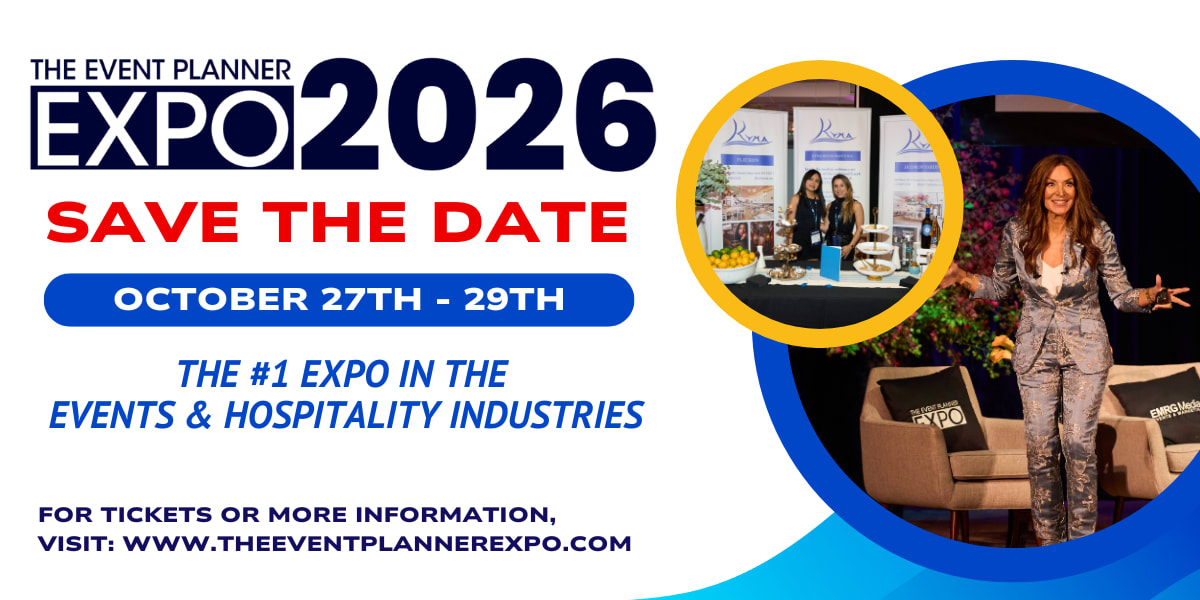
Planning your 2026 event strategy now? Explore corporate event planner tickets for The Event Planner Expo 2026 and meet the NYC venues, vendors, and production partners shaping the next generation of business events.
New York remains one of the most competitive event markets in the world because it concentrates premium venues, corporate headquarters, media, hospitality, entertainment, and high-end vendors inside a compact planning ecosystem. That density creates opportunity, but it also raises the bar. A space that looked impressive in 2023 may not be ready for 2026 expectations around broadcast-quality hybrid programming, data capture, sustainable operations, VIP privacy, flexible floor plans, and attendee-led experiences.
This guide breaks down what corporate planners should look for in NYC venues for 2026, the vendor expectations that will separate premium events from forgettable ones, and how The Event Planner Expo helps planners discover vetted partners before calendars and budgets get locked.
Why NYC Remains the Strategic Hub for Corporate Events in 2026
New York gives corporate event planners a rare mix of executive access, transportation, cultural relevance, and vendor depth. Midtown, Hudson Yards, the Flatiron District, Chelsea, Lower Manhattan, Brooklyn, and Queens all offer different event personalities within the same market. That makes NYC especially useful for companies planning product launches, leadership summits, investor events, client entertainment, media activations, and industry conferences.
The advantage is not only the skyline. It is the infrastructure around the skyline. NYC planners can build an event ecosystem that includes a flagship venue, private dinners, hotel blocks, media interviews, VIP lounges, transportation partners, entertainment, after-parties, and content production without leaving the city. That kind of concentrated execution is why many corporate teams still treat New York as the place to make a statement.
For 2026, NYC also benefits from a buyer mindset shift. Companies are not simply asking, “Where can we host 500 people?” They are asking, “Where can we create qualified conversations, capture content, impress leadership, and justify spend?” That favors venues and vendors that can support measurable outcomes.
What Will Define the Best NYC Corporate Event Venues in 2026?
The best venue is not always the largest or newest. For corporate teams, the right venue is the one that matches business goals, audience expectations, and production requirements. In 2026, the strongest NYC corporate event venues will share several traits.
Hybrid-ready infrastructure from the beginning
Hybrid is no longer a backup plan. Executive teams expect the option to extend reach through livestreams, recorded sessions, digital sponsor content, remote speakers, and post-event clips. A hybrid-ready venue should have reliable bandwidth, clean audio pathways, camera-friendly sightlines, lighting control, backstage space, and technical vendors who understand both room experience and remote experience.
The mistake is treating the virtual audience as a passive viewer. Strong 2026 venues will support a separate digital run of show, with moderated Q&A, hosted transitions, sponsor moments, captioning, and content capture built into the production plan.
Flexible floor plans for segmented audiences
The era of one large room for everyone is fading. Corporate events now need zones: general session seating, sponsor activations, quiet meeting areas, executive lounges, interview rooms, networking clusters, registration, food and beverage, and content capture corners. Flexible venues let planners move attendees through those zones without friction.
This matters for ROI. A venue that supports smaller conversations often produces better outcomes than a venue that only photographs well. The highest-value attendees want access, relevance, and efficient networking, not just a crowded ballroom.
Premium hospitality that feels personal
Attendees have become more selective. If they are traveling into Manhattan or blocking a full day on their calendar, the event needs to feel worth it from arrival to exit. Premium hospitality now includes intuitive check-in, clear wayfinding, comfortable seating, elevated food and beverage, charging access, private moments for VIPs, and staff who understand corporate expectations.
For C-suite attendees, the small details matter. A crowded entrance, underpowered Wi-Fi, long coat-check line, or generic menu can weaken the brand experience before the keynote begins.
Built-in content opportunities
Corporate events are also content engines. The right venue should help marketing teams capture executive interviews, speaker clips, sponsor recaps, social media assets, photography, and post-event sales enablement material. Spaces with strong natural light, visual depth, branded surfaces, green room access, and quiet recording areas give the marketing team more usable assets.
That content value should be part of the venue selection conversation, not an afterthought added two weeks before the event.
Which NYC Venue Types Are Gaining Momentum for 2026?
Searches for NYC corporate event venues often begin with lists of spaces, but the smarter approach is to choose a venue category based on the event’s business objective. Here are the venue types planners should evaluate for 2026.
Innovation-forward venues for product launches
Product launches need visual control, strong production capacity, and room for demos. Black-box spaces, modern galleries, high-ceiling studios, and tech-enabled venues work well when the brand needs to reveal a product, stage a keynote, and create media-ready moments. Look for rigging options, load-in access, lighting flexibility, freight elevators, green rooms, and Wi-Fi that can support demos without risk.
Executive venues for leadership summits
Leadership events require privacy, polished service, and a sense of authority. Private clubs, high-end hotel venues, boardroom-style spaces, cultural institutions, and refined lofts can all work when the attendee list is senior. The priority is not spectacle. It is confidence, conversation quality, and a setting where executives feel the event was designed for their level.
Conference venues for scalable education
Training days, industry conferences, and internal company summits still need reliable seating, breakout rooms, AV support, signage paths, registration flow, and sponsor visibility. Purpose-built conference venues and large flexible spaces remain strong options when the agenda includes multiple sessions and a high volume of attendees.
Experiential venues for brand storytelling
Some corporate events need guests to feel the brand, not just hear about it. Museums, rooftops, immersive spaces, warehouses, restaurants, performance venues, and hybrid gallery environments can transform an event into a story. These spaces often require more production planning, but they can create the emotional imprint that standard venues struggle to deliver.
How Should Planners Evaluate Hybrid-ready Spaces?
A hybrid-ready venue should be judged by what remote attendees will actually see, hear, and do. Start by asking whether the space can support multiple camera angles, clean stage lighting, speaker confidence monitors, reliable hardline internet, isolated audio, backstage routing, and a dedicated area for the broadcast team.
Then look at the digital experience. Will remote attendees have a host? Can they submit questions? Will sponsor content be integrated? Are sessions recorded for post-event distribution? Is there a plan for remote speakers if travel changes? Does the agenda include moments designed specifically for the online audience?
If your 2026 event needs stronger hybrid strategy, review the event technology trends planners are watching now, then meet the vendors who can bring those systems together at The Event Planner Expo.
In 2026, hybrid quality will be easy to spot. A static camera in the back of a ballroom will feel dated. A broadcast-aware venue, supported by the right production vendors, can turn the event into a live experience, an on-demand asset, and a sales follow-up library.
Premium Vendor Expectations Are Rising
Venue selection and vendor selection are now inseparable. Even a beautiful NYC venue can underperform if the production, catering, staffing, entertainment, registration, decor, and technology partners are not aligned. Corporate planners should expect more from vendors in 2026 because attendees and leadership are expecting more from events.
Production partners must understand business goals
The best AV and production teams do more than set up microphones. They ask about session goals, audience flow, sponsor deliverables, executive comfort, recording needs, and backup plans. They know when a room needs dramatic lighting and when it needs a cleaner environment for content capture.
Catering must support experience design
Food and beverage is part of attendee strategy. For networking events, passed bites and station layouts can either encourage movement or create bottlenecks. For executive summits, menu pacing affects conversation quality. For all-day programs, hydration, dietary clarity, and coffee timing influence attendee energy.
Registration and staffing must remove friction
The first operational moment guests experience is often registration. A premium staffing partner should support fast check-in, clear directions, VIP recognition, badge accuracy, accessibility, and issue resolution without making attendees feel processed.
Entertainment should match the audience
Entertainment is not filler. A corporate audience may need a high-energy opening, sophisticated background music, interactive moments, or a headline act that supports the brand. The right entertainment vendor understands tone, timing, and audience profile.
Designing the Attendee Experience Around Business Outcomes
Strong attendee experience design starts with the question every executive eventually asks: “What did this event achieve?” A 2026 corporate event should be designed backward from that answer.
If the goal is pipeline, the venue needs structured networking and meeting spaces. If the goal is internal alignment, the agenda needs focus, comfort, and a setting that helps teams engage. If the goal is brand awareness, the space must support shareable moments and media capture. If the goal is sponsor value, the floor plan must drive qualified traffic without overwhelming attendees.
Consider these planning moves:
- Map the attendee journey. Walk through arrival, check-in, first impression, session transitions, networking, meals, sponsor interactions, and departure.
- Design for dwell time. Create reasons for attendees to stay, including lounges, interactive demos, curated introductions, and comfortable break areas.
- Build VIP pathways. Senior guests may need private arrivals, green room access, hosted introductions, and quiet space for calls.
- Make networking intentional. Use seating plans, badge signals, hosted roundtables, and follow-up systems to move beyond random conversations.
- Capture the right data. Track attendance, session interest, meeting requests, sponsor engagement, and post-event follow-up without making the experience feel intrusive.
Want to turn stronger attendee experience into stronger relationships? Use these corporate event networking strategies to plan better introductions before, during, and after your next NYC event.
What Questions Should You Ask Before Booking an NYC Corporate Event Venue?
Before signing a venue contract, planners should move beyond capacity and date availability. Use these questions to evaluate whether the venue can support 2026-level expectations.
- What is the true seated, reception, and mixed-format capacity once stage, AV, sponsor areas, catering, and registration are included?
- What internet options are available, and can the venue support hardline connections for production?
- Are there restrictions on outside vendors, catering, signage, branding, rigging, drones, confetti, candles, or amplified sound?
- What are the load-in and load-out rules, freight elevator dimensions, union requirements, and overtime fees?
- Where can VIPs, speakers, and sponsors prepare privately?
- Can the space support livestreaming, content capture, photography, and interviews without disrupting the in-room experience?
- How does the venue handle security, accessibility, coat check, guest flow, and weather contingencies?
- What sustainability practices, waste policies, or preferred green vendors are available?
- What hidden costs should be included in the first budget draft?
These questions protect budget and attendee experience. They also reveal whether the venue team thinks like a partner or simply a space rental.
How The Event Planner Expo Helps Planners Find Vetted NYC Venues and Vendors
The challenge for corporate planners is not that NYC lacks options. The challenge is filtering those options quickly enough to make confident decisions. That is where The Event Planner Expo becomes valuable.
The Expo brings together event planners, corporate decision-makers, marketers, venues, production companies, caterers, entertainers, technology partners, and service providers in one focused NYC environment. Instead of spending months collecting referrals and comparing websites, planners can meet vendors face to face, ask operational questions, see how partners present themselves, and build relationships before urgent event timelines begin.
The 2026 event is especially relevant for teams planning ahead. The Expo is built around education, vendor discovery, and networking, with access to 150+ exhibitors, speaker programming, and corporate-focused opportunities. For planners comparing venues and vendor partners, that concentration can shorten the sourcing process and reveal partners who may not appear in a simple search.
It also supports the human side of corporate event planning. Venue and vendor decisions depend on trust. You want to know how a partner thinks under pressure, how clearly they explain tradeoffs, and whether they understand the audience you serve. Meeting them in person gives you more signal than a proposal alone.
Planning Timeline for NYC Corporate Event Venues in 2026
NYC rewards early planners. Premium venues, production teams, entertainment, and catering partners can book well in advance, especially for spring and fall dates. A practical timeline looks like this:
- 12 months out: Define business goals, budget range, attendee profile, preferred neighborhoods, and must-have venue requirements.
- 9 to 12 months out: Shortlist venues, review holds, confirm production feasibility, and begin conversations with priority vendors.
- 6 to 9 months out: Contract the venue, production partner, catering, staffing, entertainment, registration, and core creative support.
- 3 to 6 months out: Finalize agenda, sponsor activations, event technology, speaker needs, guest communications, and content capture plans.
- 30 to 90 days out: Lock floor plans, run of show, staffing, menus, signage, AV plots, hybrid plan, security, and contingency details.
Some smaller executive events can move faster, but high-stakes corporate events rarely benefit from last-minute sourcing. The earlier you can meet vendors, compare venue realities, and align leadership expectations, the more control you have over cost and quality.
FAQs About NYC Corporate Event Venues 2026
What makes a corporate event venue in NYC ready for 2026?
A 2026-ready NYC corporate event venue should support hybrid production, flexible layouts, strong guest flow, premium hospitality, data capture, content creation, and reliable vendor coordination. It should help the event achieve business goals, not just host attendees.
How early should companies book NYC corporate event venues for 2026?
For major corporate events, planners should begin venue research 9 to 12 months in advance. Spring and fall dates in Manhattan can require longer lead times, especially when premium production, catering, and entertainment vendors are involved.
Are hybrid corporate events still important in 2026?
Yes. Hybrid events remain important because they extend reach, create reusable content, support remote speakers, and give sponsors more digital value. The standard is higher now, so planners should choose venues and vendors that can deliver a polished broadcast experience.
What vendors should be sourced alongside the venue?
Production, AV, catering, staffing, registration, entertainment, decor, transportation, security, photography, videography, and event technology partners should be sourced early. The venue decision should be tested against what those vendors need to execute successfully.
How can The Event Planner Expo help with venue and vendor sourcing?
The Event Planner Expo gives planners direct access to NYC event venues, suppliers, and service providers in one concentrated environment. It helps corporate teams compare options, ask better questions, and build vendor relationships before 2026 planning deadlines arrive.
Build Your 2026 NYC Venue Strategy Before the Market Gets Crowded
The best NYC corporate event venues in 2026 will not be defined by square footage alone. They will be defined by how well they support business outcomes, attendee expectations, hybrid reach, vendor execution, and brand storytelling.
If your next event needs to impress executives, energize attendees, support sponsors, and generate measurable value, start venue and vendor discovery early. New York offers the ecosystem. The Event Planner Expo helps you navigate it with the people who know the market best.
Get tickets to The Event Planner Expo 2026 or explore exhibitor opportunities to connect with corporate planners, venues, and premium vendors shaping NYC’s next event season.