Event Sponsorship ROI Metrics Brands Should Track
Event Sponsorship ROI Metrics Every Brand Should Track
Event sponsorship ROI metrics should show more than logo impressions and badge scans. For sponsors, CMOs, and brand marketing teams, the real question is whether the investment created qualified conversations, influenced pipeline, strengthened brand recall, generated useful content, and moved the right accounts closer to a decision.
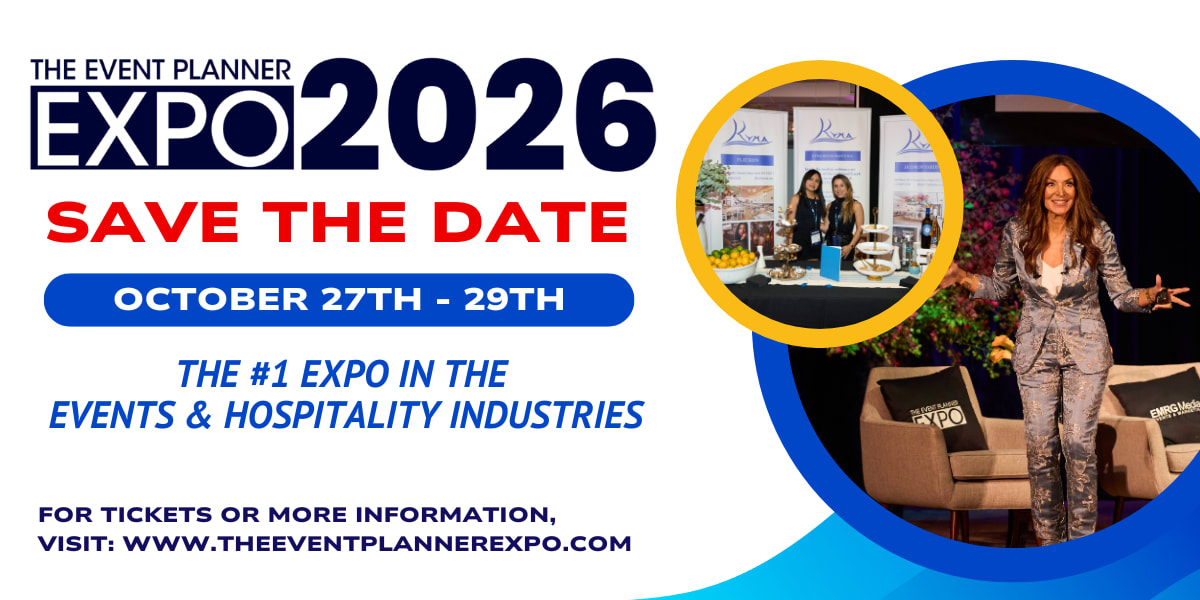
Ready to put your brand in front of corporate planners, event professionals, and marketing decision-makers in New York City? Explore sponsorship opportunities at The Event Planner Expo.
A strong sponsorship strategy starts before the event doors open. The brands that get the clearest return define their goals early, build measurement into every activation, and connect on-site engagement to post-event sales and marketing follow-up. That is especially important at a high-value industry event, where the best outcomes often come from a mix of lead quality, account engagement, meetings, content reach, partner conversations, and long-term brand authority.
This guide breaks down the sponsorship ROI metrics that matter most, how to track them, and how to use them when evaluating opportunities like The Event Planner Expo.
What Are Event Sponsorship ROI Metrics?
Event sponsorship ROI metrics are the quantitative and qualitative measures a brand uses to determine whether a sponsorship produced meaningful business value. They can include leads generated, meetings booked, pipeline influenced, booth engagement, content performance, social reach, attendee quality, sales activity, partnership opportunities, and post-event conversion rates.
The most useful metrics connect directly to the reason your brand sponsored the event in the first place. A SaaS company may care most about demo requests and pipeline influence. A venue may care about planner meetings and future site tours. A luxury brand may care about audience fit, content reach, and high-value relationship building. A media partner may care about visibility, audience growth, and strategic access.
The mistake many sponsors make is measuring everything at the same level. A badge scan from an unqualified attendee is not equal to a scheduled meeting with a CMO, VP of Events, or corporate planner who manages a major annual event budget. Your ROI model should reflect that difference.
Start With Sponsorship Goals Before Choosing Metrics
Before your team builds a dashboard, decide what success should look like. Sponsorship goals usually fall into six categories:
- Lead generation: capturing qualified prospects who match your buyer profile.
- Pipeline influence: advancing target accounts already in your CRM.
- Brand awareness: increasing visibility with a specific audience segment.
- Relationship building: securing face-to-face time with clients, partners, and prospects.
- Thought leadership: positioning your executives or team as trusted experts.
- Content creation: turning the event into social, video, email, PR, and sales enablement assets.
Each goal needs its own measurement plan. If your goal is awareness, impressions, reach, content engagement, and audience quality matter. If your goal is revenue, lead source, opportunity creation, average deal value, sales stage movement, and closed-won influence matter more.
For brands evaluating The Event Planner Expo, this goal-setting step is especially important because the event brings together different buyer groups: corporate event planners, independent planning businesses, executives, exhibitors, sponsors, and event industry decision-makers. The right metrics help your team separate general exposure from the audience interactions that can actually turn into business.
Lead Quality Metrics: Measure Fit, Not Just Volume
Lead count is one of the easiest sponsorship metrics to report, but it can be one of the most misleading. A sponsor can collect hundreds of scans and still leave with little value if those contacts do not match the buyer profile.
Track lead quality with criteria that reflect your sales process:
- Job title and decision-making authority
- Company type, size, industry, and location
- Event budget or purchase timeline when appropriate
- Stated pain point, need, or project type
- Product or service interest
- Requested follow-up action
- CRM fit score or account tier
A simple scoring system can help booth teams qualify conversations in real time. For example, an A lead may be a senior decision-maker with an active project and a requested meeting. A B lead may be a strong-fit contact who needs education. A C lead may be early-stage or outside your core audience.
This is where your event lead capture strategy matters. Your forms, QR codes, badge scans, and staff notes should capture enough context to tell sales what happened, why it matters, and what to do next.
Pipeline Influence Metrics: Connect Sponsorship to Revenue Motion
Pipeline influence is one of the most important event sponsorship ROI metrics for CMOs and revenue leaders. It shows whether the event helped create, accelerate, or expand real opportunities.
Track sponsorship pipeline influence through CRM fields and campaign attribution. Useful metrics include:
- New opportunities created from event-sourced leads
- Existing opportunities that engaged with the sponsorship activation
- Meetings completed with target accounts
- Sales stage movement after the event
- Pipeline value influenced by event interactions
- Closed-won revenue connected to event-sourced or event-influenced contacts
- Average deal size for event-influenced accounts versus other channels
The cleanest approach is to tag every relevant contact and account in your CRM before, during, and after the event. Build a campaign for the sponsorship, associate booth scans and meetings with that campaign, and ask sales to update opportunity notes after follow-up conversations.
Not every sponsorship will create instant closed-won revenue, especially in B2B sales cycles. That is why pipeline influence is more useful than a narrow same-month revenue view. A conversation at the event may shorten a buying cycle, open a new stakeholder relationship, or reactivate an account that had gone quiet.
Booth Engagement Metrics: Track Behavior at the Activation
Booth engagement metrics help your team understand how attendees interacted with your brand in person. They also show whether your sponsorship experience gave people a reason to stop, talk, participate, and remember you.
Track booth performance with metrics like:
- Total booth visitors
- Qualified conversations
- Average conversation length
- Product demos or consultations completed
- QR code scans by offer or placement
- Giveaway entries tied to qualifying questions
- Meetings booked from the booth
- Staff notes per qualified lead
Do not treat booth traffic as the final outcome. A high-traffic booth with weak qualification can create a busy day and a messy CRM. A smaller number of high-intent conversations can be far more valuable.
For sponsors at The Event Planner Expo, booth engagement can be especially useful because attendees often come with a business reason to explore vendors, ideas, venues, technology, and partnerships. If your activation is built around a clear problem your audience cares about, your booth can become a live qualification engine instead of a passive display.
Attendee Meeting Metrics: Count the Conversations That Matter Most
Scheduled meetings are one of the strongest indicators of sponsorship value. They show that prospects, partners, or customers were willing to reserve time with your team, not just pass by your logo.
Measure meeting performance with:
- Pre-booked meetings before the event
- On-site meetings added during the event
- Executive or VIP meetings completed
- No-show rate
- Follow-up meetings scheduled after the event
- Meetings with target accounts or priority segments
- Opportunities created from meetings
For best results, define meeting types in advance. A ten-minute booth conversation, a private buyer meeting, a partner introduction, and an executive dinner should not all be measured the same way. Each one has a different level of intent and a different follow-up path.
Brands attending industry conferences can also use meeting goals to guide staffing. If the objective is to meet senior marketing leaders, send team members who can speak strategically. If the objective is product demos, staff technical experts. If the objective is partnership development, assign someone who can recognize alliance potential quickly.
Want to design a sponsorship presence around meaningful conversations, not passive exposure? Connect with The Event Planner Expo sponsorship team.
Content Reach Metrics: Turn One Event Into a Longer Campaign
Sponsorship value does not end when the event closes. Many brands get additional ROI by turning event participation into content that supports social media, email, PR, sales outreach, recruiting, and executive thought leadership.
Track content reach with metrics such as:
- Social impressions and engagement during the event window
- Video views from booth, panel, or interview content
- Email clicks on post-event recap campaigns
- Landing page visits from event-related posts
- Press mentions or partner content mentions
- Website traffic from event referral sources
- Sales team usage of event photos, clips, and recap assets
The strongest content plans are built before the event. Decide which moments your team wants to capture: booth activity, customer interviews, speaker takeaways, behind-the-scenes setup, product demos, team networking, or executive commentary. Create a shot list and assign ownership so content capture does not get lost during a busy show.
The Event Planner Expo also gives sponsors natural content angles because the event includes high-level networking, speakers, exhibitors, and the energy of a New York City event industry gathering. A sponsor can use that environment to show market presence, customer proximity, and category authority.
Brand Awareness Metrics: Look Beyond Impressions
Brand awareness is valuable, but it needs more structure than a raw impression count. Sponsors should ask who saw the brand, how often they saw it, and whether the exposure happened in a context that supports the brand’s position.
Useful awareness metrics include:
- Audience reach by segment
- Logo placement views or estimated exposure
- Website traffic lift during and after the event
- Branded search volume changes
- Social mentions and share of voice
- Surveyed brand recall among attendees
- Newsletter or community growth tied to the event
Context is the difference between vanity exposure and strategic awareness. A sponsor does not only want to be seen. The sponsor wants to be seen by people who are likely to influence buying decisions, recommend vendors, plan events, manage budgets, or shape brand experiences.
That is why audience fit should be part of every awareness report. If your brand wants to reach corporate event planners, CMOs, experiential marketers, or event business owners, measure how many interactions came from those groups rather than reporting one blended attendance number.
Post-Event Attribution Metrics: Prove What Happened After the Show
Post-event attribution is where sponsorship measurement often breaks down. Teams collect leads, send one follow-up email, and then lose the thread. A better process tracks what happens over the next 30, 60, and 90 days.
Use a post-event attribution plan that includes:
- Event campaign tags in your CRM and marketing automation platform
- UTM links for sponsor landing pages, QR codes, emails, and social posts
- Lead source and lead source detail fields
- Account matching for target accounts that attended
- Follow-up sequences by lead tier
- Sales activity tracking for calls, emails, demos, and proposals
- Revenue reporting by event-sourced and event-influenced opportunities
Post-event attribution should also include qualitative notes. A senior planner may not convert immediately, but the conversation may reveal a future opportunity, a partner referral, or a budget cycle. Those insights are useful for sales planning even when they do not show up as instant revenue.
A simple 90-day review can answer the questions leadership cares about: How many qualified opportunities came from the sponsorship? Which audience segments responded best? Which activation drove the strongest engagement? What should change before the next event?
A Simple Sponsorship ROI Scorecard
Use a scorecard to compare sponsorship opportunities in a way that is easy for marketing, sales, and leadership to understand.
| Metric Category | What to Track | Why It Matters |
|---|---|---|
| Lead Quality | Fit score, role, company type, buying intent, requested follow-up | Separates real prospects from low-value scans |
| Pipeline Influence | Opportunities created, stage movement, influenced pipeline, closed-won revenue | Connects sponsorship activity to revenue motion |
| Booth Engagement | Qualified conversations, demos, QR scans, meetings booked | Shows whether the activation attracted the right people |
| Meetings | Pre-booked meetings, VIP meetings, follow-up meetings, no-show rate | Measures high-intent relationship building |
| Content Reach | Social engagement, video views, email clicks, recap traffic | Extends event value beyond the show floor |
| Attribution | CRM campaign tags, UTM performance, 30-60-90 day outcomes | Proves what happened after the event |
This scorecard also helps compare sponsorship packages. A larger package may be worth the added investment if it creates stronger meeting access, better audience alignment, more thought leadership visibility, or higher-quality content opportunities.
How Sponsors Can Apply These Metrics at The Event Planner Expo
The Event Planner Expo is built around access to event professionals, corporate decision-makers, planners, vendors, sponsors, and marketing leaders in New York City. That makes it a strong environment for brands that want to measure more than passive exposure.
Before sponsoring, define your priority audience. Are you trying to reach corporate event planners, independent planning businesses, venue buyers, experiential marketers, or executive decision-makers? Then map your sponsorship package to the outcomes that matter most.
For example:
- A technology company may track demo requests, enterprise planner meetings, and pipeline created.
- A venue may track qualified planner conversations, site tour requests, and proposal opportunities.
- A hospitality brand may track audience engagement, social content reach, and partnership conversations.
- A professional service firm may track executive introductions, thought leadership attendance, and post-event consultations.
Review related opportunities as part of your planning process. The event exhibitor opportunities page can help brands understand how on-site presence supports lead generation. The 2026 exhibitors page shows the broader event ecosystem. The speaker lineup can also help sponsors plan content, networking, and thought leadership moments around the event experience.
Common Mistakes That Make Sponsorship ROI Hard to Prove
Most sponsorship reporting problems are not caused by bad events. They are caused by weak measurement design. Avoid these common mistakes:
- Only measuring lead volume: Volume without qualification creates a false sense of success.
- Waiting until after the event to define ROI: Tracking must be built into registration, booth activity, meetings, and follow-up.
- Using one generic follow-up sequence: A senior decision-maker and an early-stage contact need different next steps.
- Leaving sales out of the plan: Sales needs context, notes, and ownership before leads go cold.
- Ignoring content value: Event photos, videos, interviews, and recaps can extend ROI for weeks or months.
- Reporting vanity metrics alone: Impressions matter, but they need audience fit and business context.
The fix is a shared measurement plan. Marketing, sales, events, and leadership should agree on the top metrics before the sponsorship goes live.
Frequently Asked Questions About Event Sponsorship ROI Metrics
What is the most important metric for event sponsorship ROI?
The most important metric depends on the sponsorship goal. For revenue-focused sponsors, qualified pipeline influenced is often the strongest metric. For awareness-focused sponsors, audience fit, content reach, and brand recall may matter more.
How soon should sponsors measure ROI after an event?
Sponsors should measure activity immediately after the event, then review business outcomes at 30, 60, and 90 days. This gives sales enough time to follow up, book meetings, create opportunities, and move deals forward.
How can brands improve sponsorship attribution?
Brands can improve attribution by using CRM campaign tags, UTM links, QR codes, lead source detail fields, meeting notes, and account matching. Every event interaction should have a clear path back to the sponsorship campaign.
Are booth scans enough to prove sponsorship ROI?
No. Booth scans can show activity, but they do not prove quality or revenue impact on their own. Sponsors should pair scans with qualification data, meeting outcomes, follow-up activity, and pipeline reporting.
Build Sponsorship ROI Around Business Outcomes
The best event sponsorship ROI metrics give your team a complete view of performance. Lead quality shows whether you reached the right people. Pipeline influence shows whether the event supported revenue. Booth engagement shows whether your activation worked. Meeting metrics show relationship depth. Content reach extends the value of the moment. Attribution proves what happened after the show.
If your brand is evaluating sponsorship opportunities, build the measurement plan before you commit. Decide which audience you want to reach, which actions you want them to take, and how your team will track results after the event.
Interested in reaching event planners, corporate decision-makers, marketing leaders, and event professionals in New York City? Become a sponsor of The Event Planner Expo and build a sponsorship strategy around measurable business outcomes.