How to Create Event Planning Educational Sessions
Educational sessions are one of the strongest reasons professionals choose one event over another. A well-built session gives attendees useful takeaways, gives speakers a reason to bring their best insights, and gives sponsors and exhibitors a more valuable audience to meet.
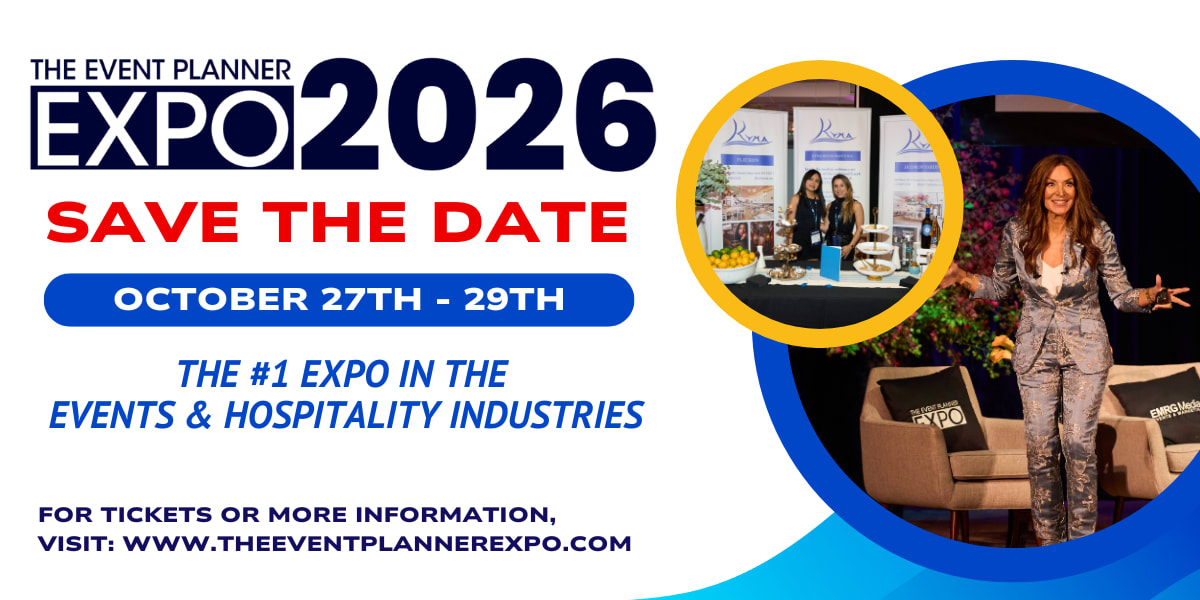
Want to learn from top event, marketing, and business leaders in New York City? Explore The Event Planner Expo 2026 schedule and see what’s planned for October 27-29.
For event planners, the challenge is not simply filling time slots. The real work is designing sessions that solve specific audience problems, match the energy of the event, and move attendees from passive listening to active participation. Here’s how to create event planning educational sessions that people remember, share, and apply after the event ends.
Every strong educational session starts with one question: what should the attendee be able to do after this session that they could not do before?
That outcome should be specific. “Learn about event marketing” is too broad. “Build a sponsor-friendly event marketing plan with measurable lead goals” is clearer and easier to shape into a useful session.
- The attendee segment the session serves
- The experience level of that audience
- The business problem or career challenge being addressed
- The practical takeaway attendees will leave with
- The next step they can take after the session
For example, a corporate event planner may need a session on stakeholder approvals, budget planning, or vendor selection. A marketing leader may want sessions on attendee acquisition, sponsorship ROI, or using event content after the conference. A venue, caterer, or event service provider may care more about lead generation, booth strategy, and partnership building. That is why the best educational agendas connect directly to audience intent and to the larger value of attending The Event Planner Expo.
How Do You Build a Session Strategy Before Building the Agenda?
Educational programming should support the larger purpose of the event. If the event is designed to drive networking, sessions should leave room for conversation. If it is designed to generate leads for exhibitors, sessions should help attract qualified decision-makers. If it is built around innovation, sessions should spotlight fresh ideas, technology, and case studies.
- What themes should the event be known for?
- Which audience problems are most urgent this year?
- Which sessions belong on the main stage?
- Which sessions should be smaller workshops or breakouts?
- Where should networking, exhibits, and sponsor activations fit into the flow?
This strategy prevents the agenda from becoming a random collection of panels. It also makes the event easier to market because every session connects back to a clear reason to attend.
Which Educational Session Format Works Best?
Not every topic belongs in a keynote. Not every expert panel needs five speakers. The format should match the learning goal. Browse the Event Planner Expo speaker lineup to see how keynote authority and practical expertise can support the larger attendee experience.
Keynotes
Keynotes work best for big ideas, industry trends, leadership lessons, and energizing the room. They should be high-impact and memorable, not overly tactical.
Expert Panels
Panels are useful when the audience benefits from multiple perspectives. Keep panels focused around one strong question, such as how event professionals are adapting to new technology, tighter budgets, or shifting attendee expectations.
Workshops
Workshops are best for hands-on learning. Attendees should leave with a completed framework, checklist, worksheet, or action plan.
Fireside Chats
Fireside chats create a more personal, conversational setting. They work well for founder stories, career lessons, behind-the-scenes event production insights, and executive interviews.
Roundtables
Roundtables are ideal for peer-to-peer learning. They can help senior professionals compare challenges and share practical solutions.
Product or Technology Demonstrations
Demos work when the topic requires seeing a tool, platform, or process in action. Keep them educational, not sales-heavy. For more context, read our guide to event technology trends for your next conference.
Planning your 2026 professional development calendar? Learn more about attending The Event Planner Expo for speaker sessions, networking, and expo-floor access in NYC and virtually.
How Do You Create a Balanced Content Mix?
The best event planning educational sessions balance inspiration with execution. Attendees want big ideas, but they also want practical guidance they can use when they return to work.
- Trend sessions that explain what is changing in the industry
- Tactical sessions that show how to improve day-to-day work
- Case studies that reveal what successful teams did and why it worked
- Leadership sessions for executives and business owners
- Technology sessions that show how tools are changing event operations
- Networking-focused sessions that help attendees build relationships
For The Event Planner Expo audience, that mix matters. Corporate event planners, marketing professionals, entrepreneurs, exhibitors, and event service providers may all attend the same event, but they need different value from the agenda. Build tracks or session labels so each group can quickly find the most relevant sessions.
How Should You Vet Speakers for Teaching Ability?
A speaker can have an impressive title and still deliver a weak session. Educational programming depends on speakers who can teach, structure ideas, and connect with the audience.
- Direct experience with the topic
- Clear examples or case studies
- A strong point of view
- Ability to explain ideas simply
- Willingness to avoid generic advice
- Comfort with audience questions
- Alignment with the event’s tone and audience
Ask potential speakers what attendees will learn, what examples they will share, and what practical takeaway they can provide. If they cannot answer clearly, the session needs more development before it goes on the agenda.How Do You Write Session Titles That Promise a Clear Benefit?
Session titles are marketing copy. They need to tell attendees why the session is worth their time.
Weak titles often sound vague: “The Future of Events,” “Marketing Trends,” or “Technology Panel.” Stronger titles make the benefit clear, such as “How Event Teams Can Use AI Without Losing the Human Experience,” “Sponsor ROI: How to Prove Value Before, During, and After the Event,” or “Building an Event Marketing Plan That Converts Attendees Into Leads.”
The best titles combine the topic, audience, and outcome. They help attendees self-select and make the agenda easier to promote across email, social media, and paid campaigns.
How Can Educational Sessions Become More Interactive?
Educational sessions should not feel like lectures unless the speaker is exceptional. Most attendees learn more when they are invited into the experience.
- Live polls
- Audience Q&A
- Small-group discussion prompts
- Worksheets or templates
- Scenario-based exercises
- Speaker follow-up resources
- Post-session networking prompts
Engagement does not have to be complicated. Even a strong question at the beginning of a session can help attendees connect the topic to their own work.
Why Should Networking and Reflection Time Be Built Into the Agenda?
One mistake event planners make is packing the agenda too tightly. Attendees need time to process what they learned, meet people, visit exhibitors, and follow up with speakers.
When educational sessions are stacked back-to-back with no breathing room, the event can feel rushed. Build intentional breaks between sessions. Use those breaks to guide attendees toward networking areas, sponsor experiences, exhibitor booths, and food and beverage moments.
This is especially important at business and marketing conferences where relationship-building is part of the ROI. The educational content may attract attendees, but the conversations often create the long-term value.
How Can Sessions Support Exhibitor and Sponsor Value?
Educational sessions can also support exhibitor and sponsor goals when handled correctly. The key is to keep the content valuable for attendees first. Companies considering the expo floor can review the Event Planner Expo exhibitor opportunity, while brands seeking larger visibility can explore 2026 sponsorship options.
- Industry research
- Data-backed presentations
- Case studies
- Technology demos
- Moderated panels
- Executive interviews
Avoid turning educational sessions into product pitches. Attendees can tell the difference immediately. A sponsor-led session should still answer a real audience question and provide usable insight.
If your company wants direct access to event planners, corporate decision-makers, and marketing professionals, reserve an exhibitor booth for The Event Planner Expo 2026.
How Do You Use Feedback to Improve Future Sessions?
The work is not finished when the session ends. Collect feedback while the experience is still fresh.
- Attendance by session
- Session ratings
- Speaker ratings
- Common feedback themes
- Questions asked during Q&A
- Post-event survey comments
- Social engagement around session topics
- Leads or meetings influenced by session attendance
Review this data before building the next agenda. It will show which topics resonated, which speakers delivered, and which formats need improvement.
How Can You Repurpose Educational Sessions After the Event?
Educational content should keep working after the conference. With the right permissions and planning, sessions can become year-round content assets.
- Blog posts
- Short video clips
- Email newsletter features
- Social media posts
- Downloadable checklists
- Webinar follow-ups
- Sales enablement content
- Sponsor recap materials
This extends the value of the event and helps future attendees understand what they can expect. It also supports SEO by turning live event insights into searchable content. Related planning resources, including conference tickets for event managers and conference sponsorship packages, can support the broader event strategy.
What Checklist Should You Use Before Finalizing Educational Sessions?
- Each session has a clear audience and outcome
- Topics support the event’s larger strategy
- Session formats match the learning goals
- Speaker expectations are documented
- Titles clearly communicate attendee value
- CTAs and next steps are built into the attendee journey
- Breaks allow time for networking and exhibitor visits
- Sponsors contribute value, not just sales messaging
- Feedback will be collected after each session
- Content can be repurposed after the event
FAQs About Event Planning Educational Sessions
What makes an event planning educational session effective?
An effective session solves a specific audience problem, provides practical takeaways, and keeps attendees engaged. The best sessions are clear, focused, and designed around what the attendee should be able to do after the session ends.
How long should an educational session be?
Most conference sessions work well between 30 and 60 minutes. Tactical workshops may need more time, while keynotes and fireside chats can be shorter if the speaker is focused and high-impact.
How do you choose topics for conference educational sessions?
Start with audience research, industry trends, common attendee challenges, and the event’s business goals. Prioritize topics that are timely, specific, and useful for the people most likely to attend.
Should sponsors lead educational sessions?
Sponsors can lead or participate in sessions when they bring real expertise, data, or case studies. The content should educate first and promote second. If the session feels like a sales pitch, it will hurt attendee trust.
How can educational sessions support networking?
Sessions can support networking by including discussion prompts, Q&A, roundtables, and scheduled breaks afterward. They give attendees shared topics to discuss, which makes networking more natural.
How Do You Create Sessions People Will Talk About After the Event?
Event planning educational sessions should do more than fill an agenda. They should help attendees think differently, solve real problems, and build better professional connections. When you start with audience outcomes, choose the right formats, and design for engagement, your sessions become one of the most valuable parts of the event experience.
The Event Planner Expo 2026 brings event professionals, corporate decision-makers, exhibitors, sponsors, and industry leaders together in New York City from October 27-29. It is built for the kind of education, networking, and business growth that modern event professionals need.
Ready to be part of it? Learn more about The Event Planner Expo 2026 or register for in-person tickets.