10 Fast Fixes for Events That Feel Flat or Low-Energy
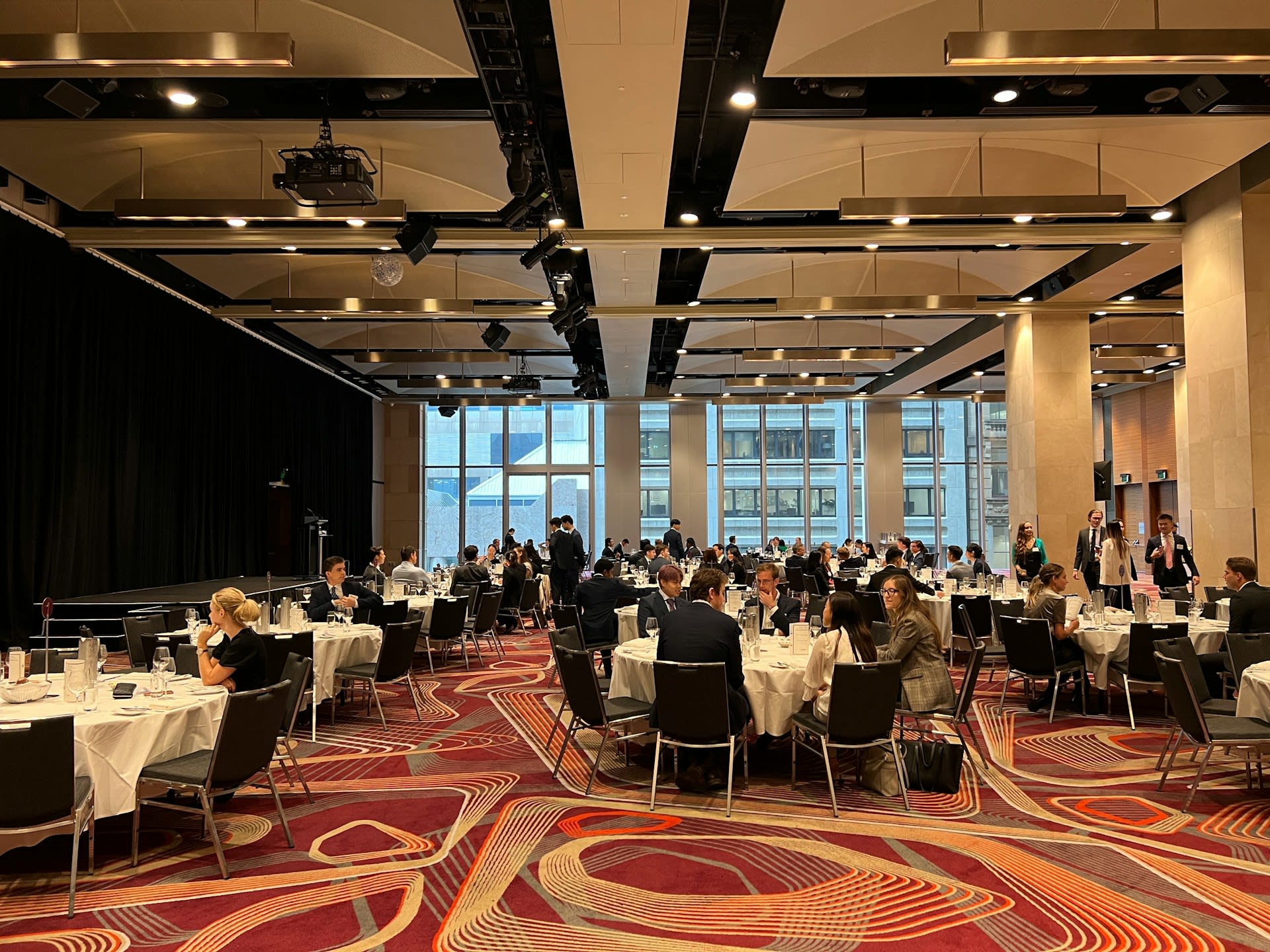
There is a difference between an event that feels calm and one that feels flat. Calm feels intentional. Flat feels like something is missing. You notice it in stalled conversations, slow pacing, and guests who disengage without fully leaving. Many planners assume low energy comes from the crowd, content, or budget, but it is often tied to design. Small decisions around flow, movement, and engagement can quietly drain energy from a room. The good news is that these issues are often quick to fix with targeted adjustments that help guests reconnect with the experience.
1. Change the First 60 Seconds After Arrival
The arrival sets the tone for the rest of the event. If the entry feels passive and peaceful, guests are prepared for the rest of the event to be subdued. If guests walk into an energetic entry, they will expect to find an exciting event. It's normal for guests to walk into a venue, scan the surroundings, and then gravitate to the perimeter. It's the event planner's job to get people off the walls and engaging in the event.
Change the guest experience within seconds of entry. Pull them toward something specific. Acknowledge guests with intention by giving them a personalized experience. Make it clear to guests what they are expected to do to eliminate hesitation.
2. Eliminate Dead Zones
Flat energy often comes from uneven distribution.
You have pockets of activity and large areas where nothing is happening. Guests naturally drift toward the edges because the center offers no reason to enter.
Experienced planners correct this by designing for density.
You do that by:
-
- Placing functional elements in the middle of the space
- Creating multiple micro-activations instead of one focal point
- Ensuring every zone has a purpose beyond standing
If any part of your room feels optional, it becomes empty. Empty space drains energy faster than anything else.
3. Shorten and Restructure Opening Content
When guests arrive at an event, their energy and excitement are high. They anticipate what the event will bring. The quickest way to kill this vibe is with long opening content. Guests tend to perceive it as dull. Shorten long welcoming remarks and introductions. Condense the opening to prevent guests from disengaging. Front-load the momentum to keep energy high and compound interactions. You don't need to overly explain the event or why guests are there; they already know. That's why they decided to attend in the first place.
4. Introduce Movement Earlier
Most events wait too long to get guests physically involved.
They rely on passive observation first, then attempt to introduce engagement later. By that point, energy has already settled.
Movement needs to happen early.
Not forced networking. Not high-pressure interaction.
Simple shifts:
-
- Standing components mixed into seated formats
- Walk-and-engage stations
- Rotational elements that require repositioning
When bodies move, attention follows. When bodies stay still, attention drops.
5. Stop Over-Structuring the Experience
Over-planned events often feel the flattest.
Every moment is scheduled. Every transition is controlled. Every outcome is predetermined.
Guests feel that.
They become observers instead of participants.
Strong planners leave intentional gaps.
Not chaos. Not disorganization. Controlled flexibility.
Moments where guests can:
-
- Choose where to go next
- Linger longer than expected
- Interact without being directed
Energy builds in spaces where guests feel agency. It disappears when everything is decided for them.
6. Tighten Transitions
Energy levels tend to fall during the transitional areas. This could be between scheduling transitions. It can also happen during physical transitions in the space. These unclear or disjointed transitions allow for energy levels to drop. When the room begins losing momentum, it compounds.
Fixing this requires careful planning and control of transitions. Avoid long periods of silence that don't serve a purpose. Don't allow guests to hesitate without any clear direction about their next steps. Avoid sudden drops in the experience when guests walk from one area to the next.
7. Use Contrast to Reset Attention
When everything remains at the same level or intensity throughout the event, it becomes bland. The same lighting, sound, and pacing become expected. Guests mentally move on because they've experienced everything the event has to offer. Contrast is what re-energizes the room. It's what excites guests and gets them actively experiencing the event again. Change the lighting intensity or tone. Adjust audio levels or style.
These changes do not need to be dramatic. They need to be noticeable.
When the environment changes, attention resets automatically.
8. Give Guests Something to React To
Being observational is a passive activity. Guests who sit back and watch an event take place aren't exhibiting high energy. Change this by drawing them in and giving them a reason to engage and react. Create moments that spark conversation among guests. Surprise guests with unexpected visuals and activations. Shared experiences among guests build a collective response. Energy from individuals builds to create a much larger wave. This builds momentum throughout the event.
9. Reposition Staff as Drivers of Flow
The staff hired to run an event can have a direct impact on its energy and flow. At a low-energy event, the staff is ready and attentive. However, they operate as support and largely stay behind the scenes. The interaction with guests is minimal as they stay behind their stations.
Change this to have them behave as they would at a high-energy event. Encourage guest interaction by guiding guests through the space. Staff should initiate interactions with guests. Staff should be strategically visible and well-positioned.
10. Build One Moment That Breaks the Pattern
NYC events have a high bar to live up to. Guests are sophisticated and attend multiple events every year. They know the routines, the venues, and what to expect. If your event follows every pattern, there's nothing surprising. To jaded guests, nothing stands out because everything feels expected.
Disrupt the predictable rhythm with an unexpected pattern. The unexpected re-engages guests by commanding their attention. It also creates a shared experience among guests. Disruption doesn't need to be over the top or large-scale. It only required control of timing and intention.

Learn More About Fixing Low Energy at The Event Planner Expo
If an event feels flat, it is not a mystery problem. Something in the structure is not encouraging movement, interaction, or variation. The solution is to adjust what is already there with more intention.
At The Event Planner Expo, top NYC event planners are sharing experiences and ideas. Learn from the best by connecting with top industry professionals. Showcase your products and services and how they can address the low-energy dilemma.
Don’t miss the opportunity to exhibit alongside top event brands. Reserve your booth today.