10 Design Hacks That Elevate Your Event Without Blowing the Budget
A bigger budget does not automatically create a better event. Some high-budget spaces still feel forgettable, while smaller budgets can deliver experiences that feel polished and intentional. The difference comes down to direction. Clients are paying closer attention to how design decisions shape the overall experience, asking how to create more impact with smarter choices instead of more decor. That shift is why strategy matters. Thoughtful design, stronger prioritization, and better use of existing elements can elevate an event without increasing the spend.
Prioritize One High-Impact Area
One of the most common mistakes in event design is trying to elevate everything at once.
Budgets get divided across multiple areas, and nothing ends up feeling strong enough to stand on its own.
Instead, focus on one space that will carry the experience.
This could be the entrance, the bar, the stage, or a central focal point that anchors the room. Wherever guests naturally gather or spend the most time, that is where your investment should go.
Use Lighting to Replace Decor
Lighting is one of the most efficient tools available, and it is consistently underused.
It requires less labor than physical installs. It can shift throughout the event. It changes how every other element is perceived.
Instead of adding decor, use lighting to create structure.
Uplighting can redefine wall color. Pin spots can highlight focal points. Directional lighting can create zones within the same space.
More importantly, shadows can hide what does not need attention.
This reduces the need for additional decor entirely.
It also creates cohesion because lighting affects the entire environment at once.
When lighting is intentional, the space feels designed even if very little has been physically added.
Simplify the Color Palette
Too many colors in a single space create visual chaos and noise. It also creates unnecessary costs. Multiple linens, additional florals, and mismatched tones all require more sourcing and more coordination. A simplified color palette quiets the noise and controls the budget. Stick to two to three tones max. The color consistency across the entire event elevates it. When guests see the same tones repeated across different elements, they perceive it as design.
Control What Guests See First
First impressions are everything in the event planning industry. It's those first moments that set the tone for the entire event. If the event's entry feels elevated, then guests are mentally ready for the rest of the event to also be elevated. It sets expectations, and guests are more willing to see the decor and design as elevated.
Use Repetition
Use the same elements throughout the event. The repetition elevates the event by signaling intention. It also helps to contain the budget by simplifying the design. Try to stay consistent with the material, shapes, colors, or even lighting patterns.
Hide What Does Not Align
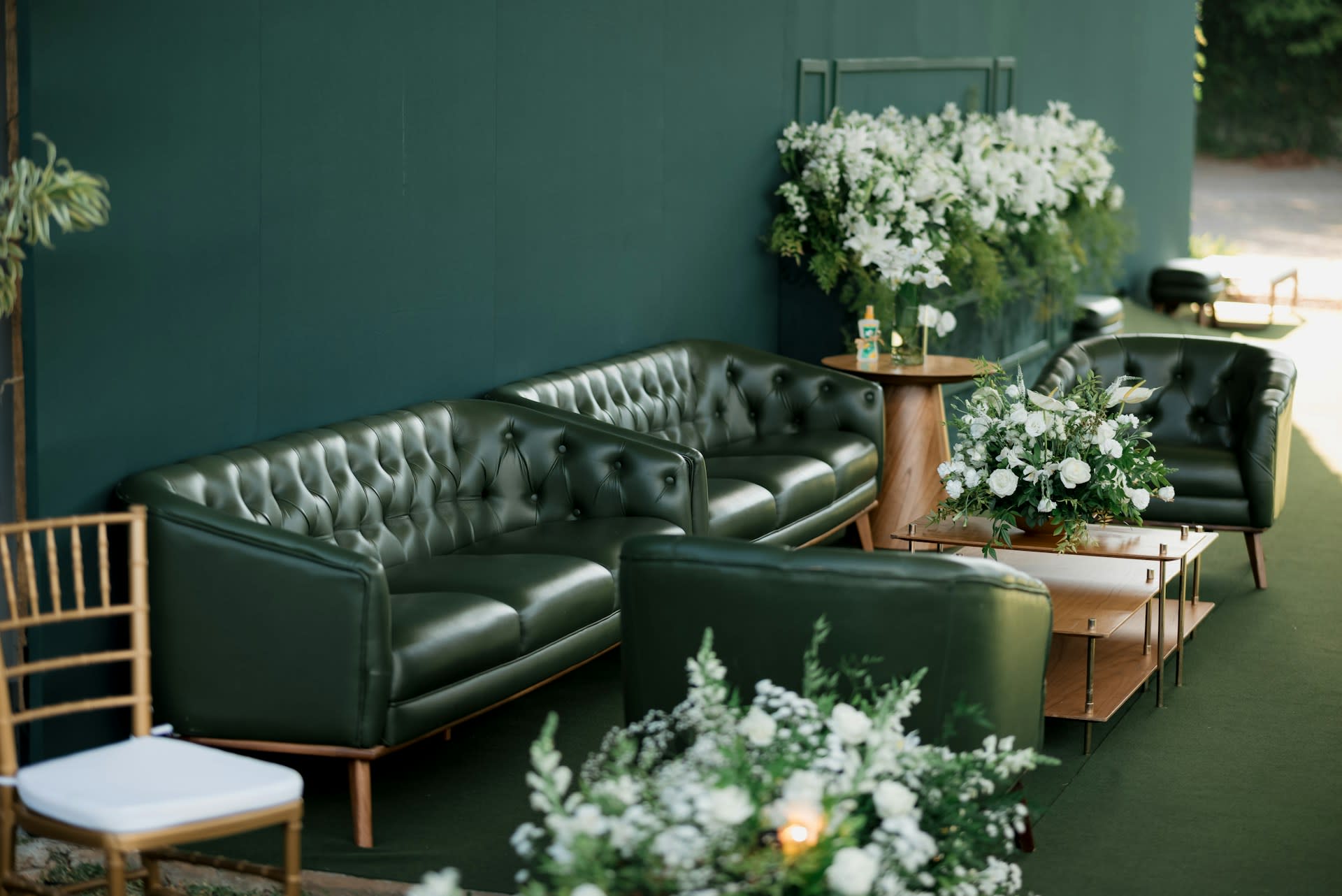
Sometimes venues have elements about them that don't align with the event's theme. Unattractive walls, service areas, and exposed structural elements can be left alone. Don't waste budget and time redesigning them. Instead, hide them. Artful drapery, lighting, or attention direction is all it takes. Controlling sightlines is far more efficient than trying to fix every imperfection.
Rearrange Layout
Move the furniture around. It costs nothing to rearrange the layout. However, moving everything around can create an unexpected experience for guests, resulting in a stronger impact. Standard layouts feel predictable because guests have experienced them before. Shift focal points. Adjust seating. Change how guests move through the space. When the space feels different, the entire event feels elevated.
Embrace Negative Space
You don't have to fill every empty space. You need the negative space to highlight the focal points. Empty areas help to build a stronger impact. The negative spaces also help to reduce costs. There are fewer elements in the room. Guests won't actively perceive the empty spaces. Instead, they feel more comfortable with space for the room to breathe.
Focus on One Statement Piece
Instead of trying to use multiple smaller elements, focus your energy on one large statement piece. Too many pieces end up getting lost, with guests not really paying attention to any of them. They blend into the environment. One bold, strong element that is intentionally placed will become the focal point of the event. It could be a large installation, structural feature, or design element. Everything else chosen will support that focal piece.
Design for Experience
Don't forget to design the room for the people who will actually be in. Guests aren't just looking at the event and venue. They are in the room. They are the ones sitting on the furniture, moving about the floor plan, and watching the entertainment. If the space doesn't feel comfortable, they won't want to stay in it for long. If it's too hard to move about the room, they will give up trying to. If there are too many decisions to make, they will grow tired of making them.

Learn More Design Hacks at The Event Planner Expo
Elevated design is about making better decisions. Top event planners know when and where to spend and when to save. At The Event Planner Expo 2026, the focus is not on bigger events, but smarter ones. Because the goal is not to spend more. It is to make every decision carry more weight. That is what elevates an event. And that is what clients are starting to expect at a higher level.
Turn visibility into opportunity. Reserve your booth at The Event Planner Expo 2026.