14 Creative Guest Arrival Ideas That Replace the Standard Step-and-Repeat
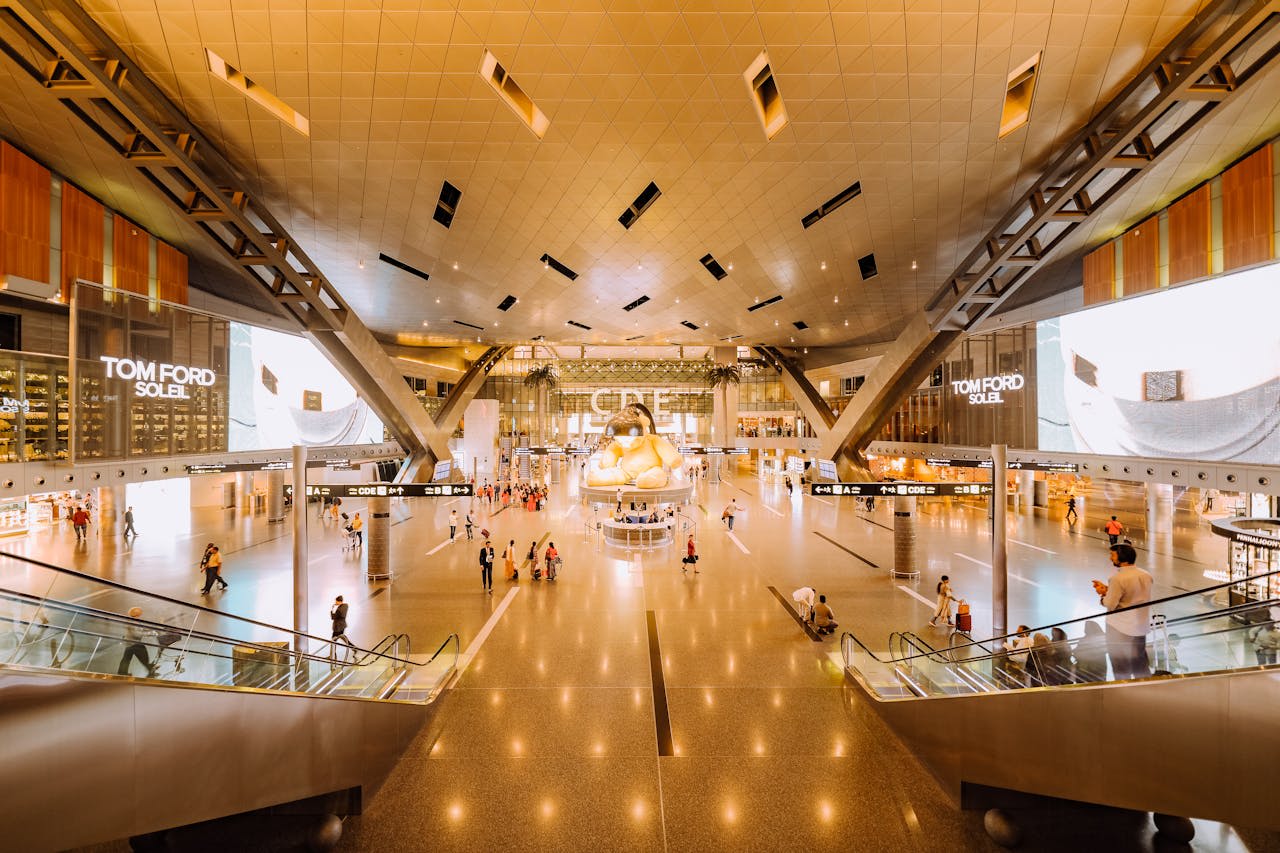
There was a time when a step-and-repeat was enough for an impressive event entrance. Those days are over. Now, it’s just a perfunctory and expected part of attending NYC events. Brands want something new and different. They want something that connects with guests better. Stop focusing on capturing a moment and start setting the tone.
1. A Guided Threshold Instead of a Backdrop
A step-and-repeat is a photo op, and that’s about it. At best, it's formulaic. At worst, it’s uncomfortable and awkward. Experienced guests know where to stand and smile. Meanwhile, other guests hope to get through it as quickly as possible.
A backdrop doesn’t signal a change in tone or mood. It doesn’t transition the guests’ mindset to focus on the event they are about to attend. Instead, guide them through an actual physical transition. It could be a short hallway or corridor. There could be a lighting and sound shift. Have them walk through the archway decor.
Physical thresholds help to slow people down. They naturally slow down to take in their surroundings. There could be hesitation about the unexpected as they determine where to go next. You don’t have to tell guests to change their mindset; it naturally happens.
2. A Welcome Moment That Happens After Check-in
Most events fall flat upon arrival because guests are too focused on the administrative task of checking in. The welcome experience gets lost, and thus, loses its effect. Stop combining them.
Let guests focus on their phone, bag, badges, and small talk during check-in. They aren’t focused and not ready to receive anything or experience the event yet.
After check-in, present a welcome experience for guests. At this point, their hands and minds are ready for a new experience. The welcome experience will feel more intentional and meaningful.
3. A Live Human Cue Instead of Signage
Signs are simple and low effort. They look that way to guests, too.
Do better than just giving signage instructions. Having a living human being directing guests gives confidence and reassurance. Greeters can help set the tone and mood for the event. From being formal for an elegant event to being hype men for a party, their energy will transfer to the arriving guests.
4. Sound as the First Design Element: Guests Register
Arrival doesn’t need to be visual at all. Let guests hear the event before they see it.
A subtle soundscape or a musical build as doors open signals mood without overwhelming volume. Sound bypasses logic and hits emotion fast. When it works, guests don’t comment on the music. They comment on how the room feels.
5. A Scent Cue That Anchors Memory
We connect scents to memories. A certain smell can instantly transport you to a pleasant memory. Other scents can help set the vibe for a place. That’s why luxury hotels worldwide use signature scents. Some are refreshing. Others are invigorating.
Don’t overdo the scent! You aren’t trying to give everyone a sinus headache. Keep the scent subtle enough that guests don’t consciously notice it.
There are endless options when choosing a scent. It could be tied to the event’s theme, the season, brand, or signature NYC experiences (restaurant, hotel, food, attraction).
6. A Soft Reveal Instead of Full Exposure
Dumping the entire room on guests the moment they walk in kills anticipation. A partial reveal builds curiosity.
Curtains, angled walls, or lighting that shows pieces of the space instead of everything at once creates momentum. Guests feel like they’re entering a story instead of stepping into a showroom.
7. A Choice Point Right at Entry
Directly engage guests right away by having them make a choice at the event’s entry point. It could be as simple as deciding to go left or right. It could be choosing whether they want to be in the center of the action or observe from the sidelines.
Giving people a choice creates agency. Having a sense of control over their situation and environment gives people a sense of comfort. Remember, while the guests may have something in common, attending the same event, they aren’t all the same. They will want different experiences and first impressions.
8. A Tactile Interaction Instead of a Photo Moment
Replace “stand here and smile” with something guests physically do. Touch, turn, select, adjust, or write.
Tactile moments pull guests out of autopilot and into their bodies. That shift is powerful at arrival and slows traffic naturally without forcing people to stop.
9. An Arrival Moment That References Why Guests Are There
Most arrivals are brand-forward. Fewer are guest-aware.
A subtle nod to why people showed up changes everything. A phrase, a visual cue, or a soundbite that says, “We know what brought you here,” immediately shifts tone.
10. An Arrival That Unfolds in Motion
Not every arrival needs a stopping point. Some work better as movement.
Progressive lighting, gradual sound builds, or design elements that change as guests walk turn arrival into a journey rather than a destination. Flow stays intact, and energy doesn’t stall at the door.
11. A Decompression Zone Before the Main Experience
Life in NYC can be hectic and fast. Depending on the event, guests may appreciate a moment to decompress before entering. This is especially true for more subdued events.
Create a buffer zone between the venue entry and where the event actually begins. In this space, create a decompression zone. Give it softer lighting, soothing music, and a calming scent.
12. A Playful Micro-Moment That Doesn’t Take Itself Too Seriously
It can be easy to get entrenched in the demands of daily life. Give guests a micro-moment of joy with a playful moment. Encourage guests to tap into their youthful, playful side. Creating this type of experience upon arrival can disarm even the most cynical and closed-off guests.
The key to making this type of activation a success is restraint. IT needs to be just playful enough without being too juvenile or cringey. Keep it light. Keep it fast. Let guests opt in with no pressure to participate. The experience needs to feel authentic and not gimmicky.
13. A Delayed Photo Opportunity That Feels Earned
Skip the step-and-repeat totally. Your event may not even need it. This cleans up the venue entrance and allows guests to focus on your other planned arrival experiences.
Don’t eliminate the photo op experience, though. Just put it somewhere else within the event. Give guests a chance to check in, settle, and acclimate to their surroundings. Then they can take pictures.
These photos will land differently. They will look and feel more authentic because guests have a chance to experience the event first. The guests’ smiles will be real instead of posed. The moment will feel shared instead of staged.

Learn More About Creating Memorable Arrivals
Arrival sets expectations. It tells guests whether this event is about checking boxes or creating experiences. It signals whether they’re expected to perform or participate.
Replacing the step-and-repeat isn’t about trends. It’s about recognizing that guests don’t need proof anymore. They need ease, orientation, and intention. When arrival works, everything that follows lands better.
If you want to keep pushing how guest experience is evolving and trade ideas with planners who are rethinking moments like this every day, get tickets to The Event Planner Expo 2026. These are the conversations shaping what events feel like next.
Book your booth at The Event Planner Expo 2026 today.