Food Trends That Hit NYC Events Before the Rest of the Country
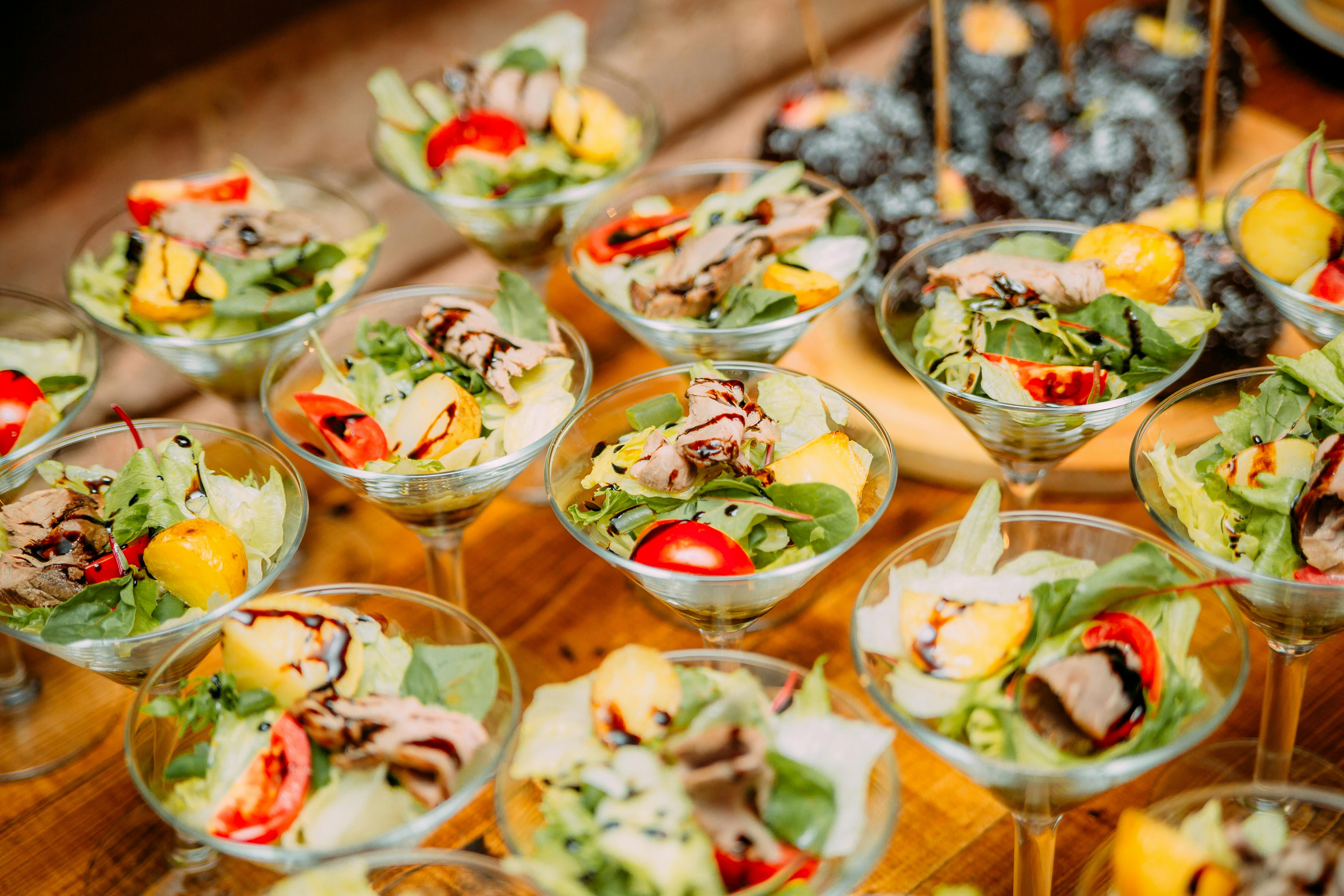
New York is always the testing ground, isn’t it? Chefs push here first and set out to launch their careers here. Beverage programs get weird here first. And your event guests expect more here first, too. If you’re planning events in NYC, you’re always chasing the next big wow-factor moment. The last event detail you need to draw a yawn is the catering.
Like everything else, the coolest, latest, and trendiest food shifts are going to happen in NYC first. These food trends are no longer “emerging.” They’re already shaping what premium clients think feels current, elevated, and worth the spend.
Living Beverages That Feel Grown, Not Mixed
The loudest shift happening behind NYC bars right now has nothing to do with alcohol levels and everything to do with agriculture. (Insert your best “It’s alive!” impression.) Drinks are starting to behave more like food. Bartenders are pulling from the same pantry as the kitchen: hydrosols, shrubs, ferments, sea greens, preserved citrus, wild herbs.
These beverages don’t scream cocktail. They whisper event experience intention. They taste alive. Slightly acidic. Slightly vegetal. Sometimes briny. Sometimes floral in a way that feels grown, not perfumed.
For events, this matters because guests are increasingly sensitive to anything that feels mass-produced. A drink that tastes like it came from the land instead of a liquor distributor signals care, craft, and originality without saying a word. In NYC, this is quickly becoming the baseline for premium events, not the exception.
Dry-Aged Seafood and Open-Fire Cooking Take Center Stage
Steak had its moment. It still matters, but it’s no longer the flex.
What’s turning heads in NYC event dining is technique. Dry-aged fish. Whole branzino, tuna collars, scallops, even shellfish treated with the same reverence once reserved for beef. Paired with open-fire cooking, this approach delivers depth, texture, and theater all at once.
Open fire brings drama without excess production. Guests can see heat, smoke, timing, and restraint in real time. It feels primal and intentional. When seafood is the star instead of red meat, menus suddenly feel lighter, smarter, and more current without losing richness.
This trend is especially powerful for corporate and luxury social events where clients want something bold but not heavy. It reads confident, not indulgent.
Umami and Bitter Profiles Replace Sweet-Forward Menus
Sugar is losing its grip on NYC menus. Not disappearing, but stepping back.
Event food is leaning into savory complexity: umami-rich broths, fermented elements, bitter greens like endive and radicchio, miso, anchovy, aged cheeses, charred vegetables. These flavors linger. They create conversation. They feel adult.
What planners are responding to is how these profiles change pacing. Guests don’t rush. They don’t burn out after the second course. The experience feels grounded and intentional instead of over-stimulating.
In NYC, bitterness has become a sign of sophistication. It signals trust in the guest’s palate. And that trust is exactly what high-end clients are craving.
“Salad in a Glass” Is Redefining Cocktail Expectations
This isn’t a gimmick. It’s a mindset shift.
Savory cocktails in NYC are now structured like dishes. Think herbs, acids, fats, salinity, texture. Cheese notes. Olive oil washes. Tomato water clarified until it feels elegant instead of rustic. Drinks that taste like a composed plate rather than a sweet escape.
For events, these cocktails do something powerful. They blur the line between bar and kitchen. They slow guests down. They encourage discussion. And they immediately differentiate the experience from anything guests could order at a standard bar.
In a market where everyone has seen everything, a cocktail that drinks like a course feels new again.
Interactive, Super-Personalized Dining as Narrative, Not Novelty
NYC is done with interaction for interaction’s sake.
Live stations are evolving from spectacle into storytelling. Chefs aren’t just cooking. They’re explaining sourcing. They’re finishing dishes based on guest preferences. They’re adjusting flavors in real time. Menus unfold intentionally, with each moment connected to the next.
What’s different now is restraint. Fewer stations. Better flow. Clear purpose. Guests don’t feel overwhelmed. They feel considered.
This trend is especially relevant for planners because it aligns food with brand and event narrative. Dining becomes part of the message, not a pause between programming.
Functional and Wellness-Driven Menus Without the Preachiness
Wellness is no longer niche in NYC events. It’s expected. But the tone has changed.
Instead of overt health claims, menus quietly incorporate adaptogenic drinks, matcha-centric bars, mushroom coffee alternatives, mineral-rich tonics. The language is subtle. The experience feels indulgent, not corrective.
Guests want to feel good during and after the event. They want energy without jitters. Focus without heaviness. The planners winning right now are the ones offering wellness-forward options that don’t announce themselves as such.
It’s wellness by design, not by label.
Zero-Waste, and the End of Performative Sustainability
NYC clients are sharper than ever when it comes to sustainability. They can spot performative efforts instantly.
What’s resonating now is specificity. Named farms. Clear sourcing. Menus designed to minimize waste by default, not as an afterthought. Creative use of stems, skins, and trimmings that feels thoughtful instead of thrifty.
Plant-based menus are no longer framed as alternatives. They’re treated as culinary showcases. Lab-grown and alternative proteins are entering conversations carefully, often as part of tastings or future-forward experiences rather than center-plate statements.
For events, sustainability has become a credibility signal. Done well, it builds trust. Done poorly, it undermines the entire experience.
Global Comfort and Third-Culture Cuisine Take Over Event Menus
The most exciting NYC menus right now feel familiar and surprising at the same time.
Korean flavors are everywhere, but often softened for broader appeal. Mediterranean bowls are layered with unexpected textures and ferments. Third-culture cuisine, blending heritage and modern technique, is becoming the defining voice of event dining.
These menus resonate because they reflect how New Yorkers actually eat. They feel personal. They feel modern. They feel rooted in real stories rather than trend forecasting decks.
For planners, this opens creative space. Global comfort food invites warmth without sacrificing sophistication. It bridges generations, cultures, and expectations effortlessly.
Why NYC Planners Need to Pay Attention Now
These trends aren’t theoretical. They’re already shaping tastings, budgets, and client expectations across New York. By the time they hit national “trend lists,” NYC planners will be onto the next wave.
If you’re designing events, catering experiences, beverage programs, or interactive dining concepts, this is your moment to lead instead of follow.
And if you’re building services that help planners deliver this level of experience, the smartest move you can make for 2026 is visibility.
Showcase your expertise, your creativity, and your edge as an exhibitor at The Event Planner Expo 2026.
The planners shaping what’s next are already planning to be there.