9 Small Investments That Dramatically Improve Guest Engagement for 2026
By 2026, guest engagement isn’t about whether your event looks good. Most events look good. Clean branding. Solid venues. Decent programming.
But you’ve probably felt it. That quiet drop in energy thirty minutes in. Guests lingering near exits. Conversations that never quite spark. People scrolling instead of participating.
And it’s frustrating, because nothing is technically wrong.
What’s changed is the guest. New York audiences have been to enough events that they can tell when an experience hasn’t been thought through beyond logistics. They might not say it out loud, but their behavior gives it away.
The fix usually isn’t a bigger budget. It’s a smarter one.
1. Pre-Arrival Communication That Helps Guests Shift Gears
Think about how most guests arrive at NYC events. They’re coming from work, traffic, meetings, other obligations. Mentally, they’re still somewhere else when they walk through the door.
And most pre-event emails don’t help with that. They just confirm the basics and disappear.
A small investment in pre-arrival communication can change how guests show up without adding anything to the run of show. Not hype. Not marketing language. Just a little context about what kind of experience they’re walking into.
When guests know the pace of the evening, how social it’s meant to be, or where the energy will peak, they settle faster. They stop hovering. They engage sooner. That alone can shift the tone of the entire event.
2. Arrival That Feels Like a Welcome, Not a Process
It’s a disappointment when the event’s arrival is more like a logistical process and less like a warm welcome. The arrival sets the stage for the guests’ experience. So when the arrival is all about checking in and paperwork, it kills the vibe.
Hire enough staff to prevent long lines, unclear traffic flow, and frantic energy from the welcome team. Guests will mentally disengage and slip back into observation mode.
Have the staff personally greet guests with a real greeting. Have clear signals that tell guests where to go. Hire enough staff to reduce the stress and demands on each person on the team.
3. Seating Choices That Acknowledge How Long People Actually Stay
Standing events photograph beautifully. They don’t always age well.
About half an hour in, guests start scanning the room for somewhere to land. If they can’t find it, they disengage quietly. They check their phones. They shorten conversations. They leave earlier than planned.
And you’ve probably seen it happen.
You don’t need more furniture. You need better decisions. A few soft seating areas mixed into high-top layouts. Corners that invite conversation instead of just movement. Spaces that give people permission to stay.
In tight NYC venues, this is less about square footage and more about empathy.
4. Sound That Doesn’t Fight the Room
Bad audio doesn’t just annoy guests. It changes how they behave.
If it’s too loud, conversations die. If it’s uneven, attention drifts. If people can’t tell whether they’re supposed to listen or talk, they do neither very well. But sound is often treated as a stage-only decision.
A modest investment in tuning the room makes a noticeable difference. Lower volumes where people are meant to mingle. Clear transitions when focus needs to shift. No guessing games.
Older New York spaces are especially unforgiving here. But when sound supports interaction instead of competing with it, engagement lasts longer without effort.
5. Staff Who Understand the Experience, Not Just Their Tasks
From the guests' perspective, everything contributes to their experience. From the venue to the food and the staff, it’s all the same to the guest. When the staff falls short, it means the entire event falls short.
When the event staff knows their role and the entire event’s plan, it shows. Instead of short answers and lots of “I don’t knows”, staff can go above and beyond. Guests feel guided instead of managed. They are provided suggestions, not herded. Questions are answered before they are asked.
You don’t need a long briefing or extensive training. Clearly communicate. Set expectations up front. Hire for experience and knowledge.
6. Interaction That Guests Discover on Their Own
Forced engagement still makes people uncomfortable. Even in 2026.
Big signs telling guests what to do tend to get ignored. Or worse, they make people self-conscious about participating.
Subtle interaction works better. A prompt where guests naturally pause. A visual question near the bar. A tactile element that invites curiosity without explanation.
And when engagement feels optional, guests choose it. They talk more. They linger longer. They remember the event as something they leaned into, not something they were directed through.
7. Food Decisions That Keep Energy Moving
There’s no denying that food brings people together. People gather for a good meal. They laugh, cry, and bond as they enjoy the meal.
A single buffet table creates a problem area where people bunch up and then abandon. Having smaller interactive food stations spreads the energy out. The different locations create smaller gathering areas for more meaningful interaction. People will circulate throughout the event to see the different stations.
You don’t have to spend more on catering to accomplish this. Not every station needs to be manned by a staff member. The catering budget can be strategically used when choosing food items. Some stations may have higher-value items, while others may have lower-cost yet highly popular items. That way, you impress and please the guests.
8. Lighting That Changes as the Event Changes
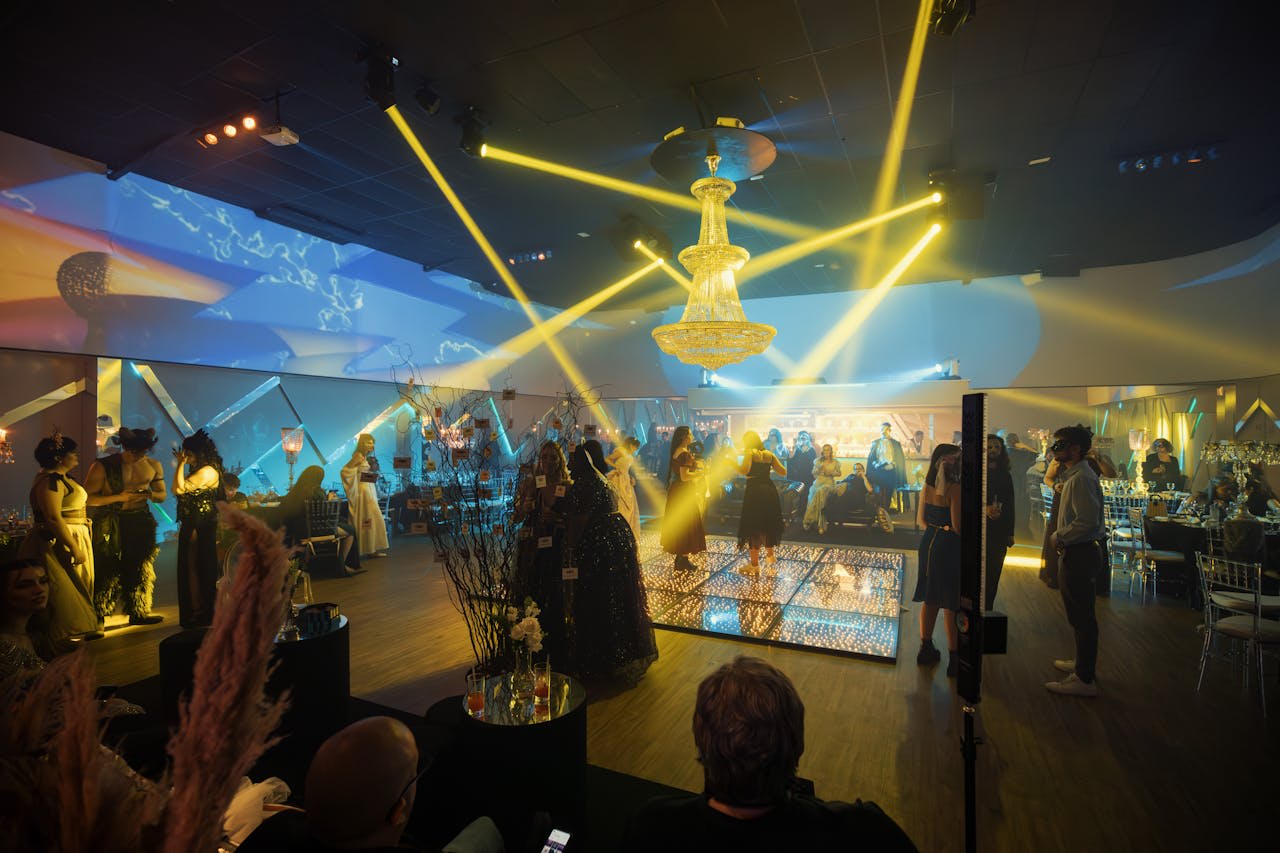
Lighting set the mood. That’s why restaurants change their lighting from afternoon and early evening into dinner and late night. Transitioning the lighting signals to event guests that the mood and vibe are also changing.
Warm lighting tones help foster an environment that’s perfect for networking. Bright white or daylight lighting encourages attention and focus.
Lighting changes are also good for signal changes in the schedule. People won’t directly respond to the lighting changes. It’s a subtle change that will happen subconsciously.
9. An Ending That Feels Like a Decision, Not an Accident
The biggest mistake that event planners make is letting the event fizzle out or just abruptly stop. It leaves the event on an awkward and satisfying note. That is not how you want to leave guests.
Anchor their experience with a final memorable moment. It doesn’t have to be a dramatic activation. It just needs to feel intentional. Like the final cue of a play.

Learn More About Making Small Investments
When budgets are tighter, top event planners get more creative. Event guest expectations are higher than ever. To meet those expectations, small investments can transform an event into a memorable experience.
Connect with top industry professionals. Learn from the people who aren’t following trends; they are setting them. They notice when guests hesitate and start to disengage. The Event Planner Expo 2026 puts you in the room with the people who will help you make small investments.
Get tickets and be part of the next wave of smarter, more intentional New York events.