The Psychology Behind Why Certain Events Feel “Magnetic”
Top NYC event planners know this feeling well. It typically happens at some point in the middle of the event. It’s unplanned and magical. All your hard work comes together, and everything flows as you imagined. Guests are talking, engaging, and enjoying the event. No one is standing around asking about what’s next. You have successfully created an event that people describe as “good energy” or a “really good crowd”. Those things don’t just happen. You created it.
People Gravitate Toward Spaces That Reduce Social Guesswork
Guests don’t walk into your event and immediately start evaluating your design choices. Instead, they assess the room and get a feel for the event’s overall vibe. From there, they quickly decide where they “belong” in the space.
Some people gravitate towards the food and others towards the bar. Some people head straight towards the dance floor. Then you have the guests who want to be in the middle of the people, socializing.
Magnetic events draw people in. They naturally help people find their comfort zone within the event. Have clear sightlines from the entrance point to the different areas of the event. Have a natural and intuitive layout. Have clear, visible social cues that people can easily follow to where they want to go.
Engagement Rises When Guests Feel They Have Agency
One of the most consistent findings across research on motivation and group behavior is the role of autonomy. People engage more deeply when participation feels like a choice.
Events that feel magnetic offer multiple ways to interact without assigning value to any single one. Guests can talk, observe, explore, or step back without feeling like they’re missing something essential.
This is why heavy-handed interaction cues often fall flat. The more guests feel instructed, the more self-conscious they become. The more freedom they feel, the more likely they are to lean in on their own.
In practice, this shows up in subtle ways. Optional touchpoints. Parallel experiences. Moments that invite curiosity instead of demanding attention.
Comfort Isn’t a Luxury, It’s a Psychological Requirement
Discomfort pulls focus inward. Comfort opens people outward.
When guests are physically uncomfortable, engagement becomes transactional. Conversations shorten. Attention drifts. People stop investing emotionally in the experience.
Events that feel magnetic quietly eliminate those distractions. Seating appears where people naturally want to linger. Sound levels allow conversation without strain. Temperature and lighting don’t demand constant adjustment.
None of this is flashy. And that’s the point. When guests don’t have to think about their bodies, they can focus on the room and the people in it.
Energy Feels Better When It Moves in Waves
A constant level of energy quickly becomes exhausting. Top-level energy will make guests tired too early in the evening. Low-level energy will also wear on guests as they wait for something to happen. A magnetic event has varying levels of energy.
As the event planner, it’s your job to create a schedule that brings the energy up and then calms it down, then brings the energy up again. This moves the event away from straight-line energy and brings it back to waves of energy.
Waves of energy follow people’s natural attention span. They can focus and hyper-engage in the event. They can step away and allow their mind to calm. When ready, they can reengage in the event.
Pacing isn’t about packing more into the schedule. It’s about letting moments breathe so guests don’t feel rushed or overstimulated.
Anticipation Keeps People Present Longer Than Surprise
Surprise creates spikes. Anticipation creates continuity.
Psychology research around anticipation shows that people stay engaged when they sense progression. They don’t need to know exactly what’s coming. They just need to feel that something is unfolding.
Events that feel magnetic offer subtle signals. A shift in lighting. A change in music. A visual cue that suggests a transition is coming.
These moments keep guests mentally present during lulls. Instead of disengaging, they stay curious.
Shared Moments Create Instant Social Glue
When people share an experience, they are more likely to remember it. They connect with each other during the event. It doesn’t have to be a large-scale activation. It doesn’t have to be over the top. The smallest of experiences can be the most impactful.
Have guests feel like they are a part of a shared experience. Soften the social barriers. It naturally brings the walls down between people so they can connect with each other.
As the event planner, you know this happens when you feel the energy shift in the room. It could be a ripple of murmuring. It could be a suddenmoment of silence. There could be an energy shift.
Memory Favors Peaks and Conclusions, Not Consistency
People won’t remember everything about your event. They remember the emotionally charged experiences. They also remember how the experience ends. This is why an event with uneven pacing or unbalanced energy can still make a strong positive impact. In comparison, a technically flawless event falls flat and is forgotten quickly.
Clearly signal the end of an event by showing guests that the event concluded on purpose. It gives the entire event a more cohesive and thought-out feel.

Learn More About Creating Event Magic
When you understand why events feel magical, you can be the wizard who fosters the magic. Become a top NYC event planner by consistently planning events that have that unspoken magic. Hold yourself accountable with post-event debriefs, honest breakdowns, and real conversations.
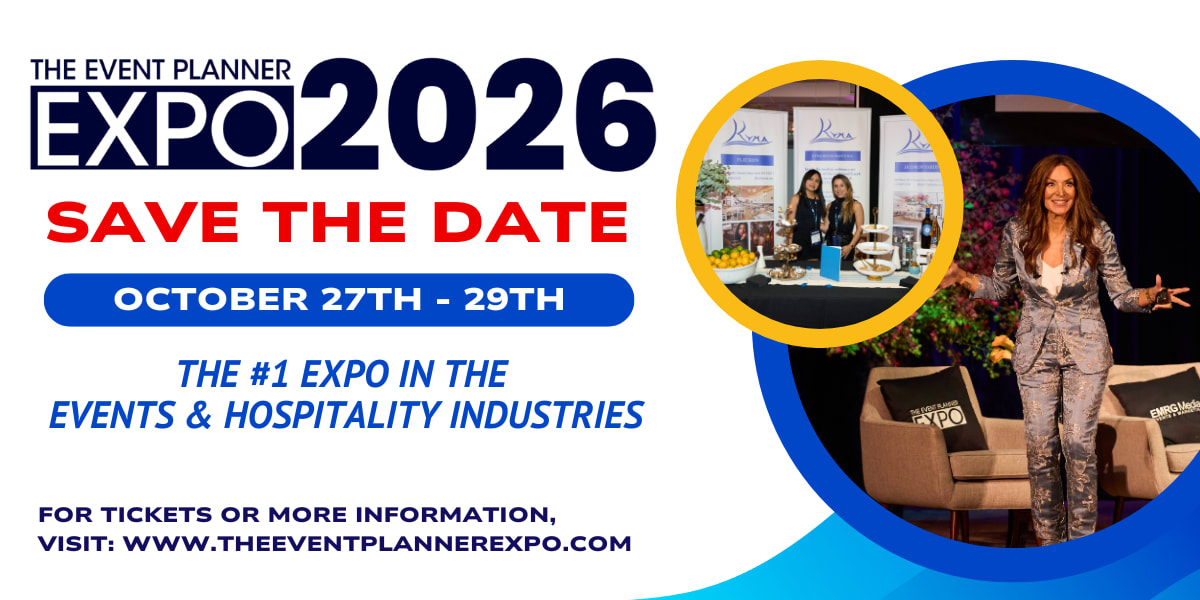
Sometimes the best way to learn is by seeing how others do it. The Event Planner Expo 2026 is a gathering of the best NYC event planners. Planners, producers, and event industry brands come together to shape the future of the industry.