Why Some Event Teasers Pull People In and Others Get Ignored
You’ve seen it happen. One event drops a teaser, and suddenly it’s everywhere. People are sharing it, talking about it, trying to figure it out.
Another event posts three times, boosts it, maybe even throws some money behind ads, and nothing sticks.
Same city. Same audience. Completely different response.
The difference usually isn’t the budget. It’s how the teaser is built.
The Ones That Work Know Exactly What to Hold Back
A teaser isn’t supposed to explain the event. It’s supposed to create tension.
The strongest campaigns give just enough to spark curiosity without closing the loop. There’s a hint of something interesting, but not enough to fully understand it. That gap is what pulls people in.
When everything is revealed too early, there’s nothing left to engage with. When it’s too vague, people don’t bother trying to figure it out. The balance sits right in the middle, where someone sees it and thinks, “Wait… what is this?”
That pause is the goal.
People Don’t Share Information, They Share Emotion
Most underperforming teasers read like announcements. Date, location, maybe a feature or two. That’s not what gets attention.
What actually moves is a feeling. Anticipation, exclusivity, curiosity, even a little bit of tension. When someone feels something, they’re more likely to engage with it or pass it along.
That’s where storytelling comes in. Not a long narrative, just a clear sense that something is happening and it matters. A strong visual, a line that lands, or a short clip that hints at the experience does more than a full paragraph ever will.
Timing Is What Builds Momentum
Dropping one teaser and expecting traction is where most campaigns fall flat.
The events that gain attention build it over time. They release pieces in stages, each one adding a little more context or intrigue. It creates a rhythm that keeps people coming back instead of forgetting about it after one scroll.
Spacing matters here. Too early without follow-up, and the energy fades. Too late, and there’s no time for interest to build. The sweet spot is giving just enough runway for anticipation to grow without dragging it out.
Relevance Decides Whether Anyone Cares
A teaser can be well-designed and still miss if it’s speaking to the wrong audience.
The tone, visuals, and messaging need to match who the event is actually for. A corporate audience in NYC responds very differently from a social crowd or a younger, trend-driven audience.
When it feels aligned, people recognize themselves in it. When it doesn’t, it gets ignored, no matter how polished it looks.
The Best Teasers Make People Feel Like They’re In Early
Exclusivity still works, especially when it feels real.
Teasers that hint at limited access, early entry, or something not everyone will get tend to move faster. People want to be part of something before it’s fully public, not after everyone already knows about it.
This doesn’t need to be overdone. Even subtle cues that something is limited or time-sensitive can shift how quickly people respond.
Interaction Turns Passive Interest Into Action
The difference between someone noticing a teaser and actually engaging with it often comes down to participation.
When people are invited to guess, respond, or interact in some way, they’re more likely to stay connected to the campaign. It gives them a reason to pay attention to what comes next.
That interaction also creates visibility. The more people engage, the more others see it, and that momentum builds without needing constant promotion.
The Ones That Get Ignored Usually Over-Explain or Under-Deliver
When a teaser lays everything out up front, it removes any reason to follow along. There’s no anticipation because the story is already finished.
On the other hand, when a teaser is too abstract or disconnected, people scroll past because it doesn’t feel worth the effort to decode.
There’s also a drop-off when the message focuses too heavily on features instead of experience. Listing what’s included doesn’t create interest on its own. People want to understand what it will feel like to be there.
Where Most Event Marketing Misses the Mark
A lot of teaser campaigns are treated like a checkbox instead of a strategy.
They’re rushed, too generic, or disconnected from the actual experience of the event. There’s no buildup, no consistency, and no real reason for someone to stay engaged.
The planners who get this right treat teaser content as part of the event experience itself. It’s the first touchpoint, and it sets the tone for everything that follows.
Want Your Event to Be the One People Start Talking About Early
The difference between a full room and a waiting list often starts weeks before the event ever happens.
If you want your marketing to hit at that level, you need to be around the planners and brands who are already building that kind of momentum.
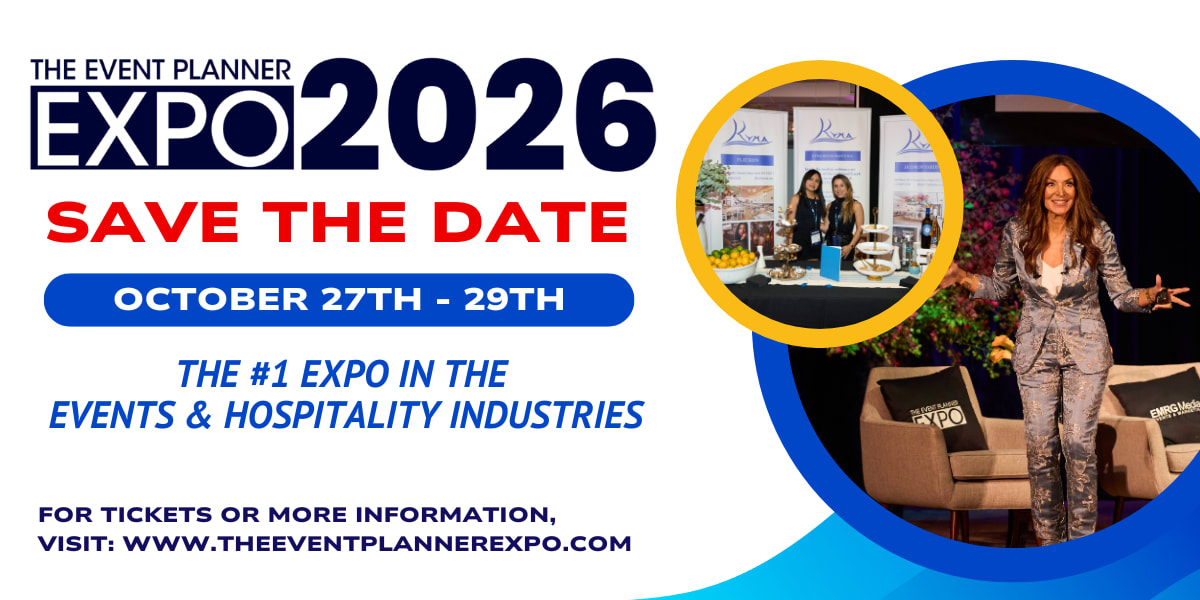
Reserve your brand booth at The Event Planner Expo 2026 and put your events in front of an audience that’s actively looking for what’s next. This is where visibility turns into real demand and where your next event starts building before it even launches.