What to Pressure-Test Before You Greenlight an Outdoor NYC Event
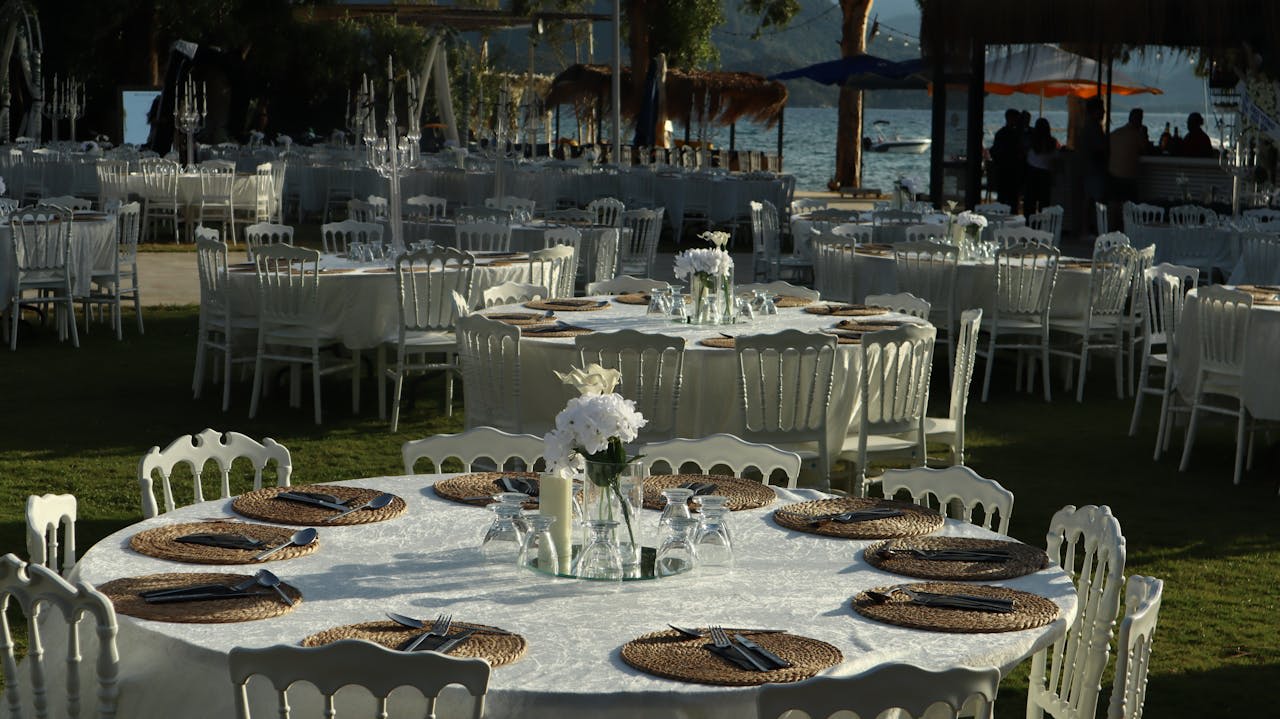
Outdoor events in New York look incredible on a deck. Rooftop skyline, Hudson views, park activations, open-air everything. It sells fast.
Then reality shows up.
Wind picks up, permits get complicated, power becomes a question, and suddenly what looked simple turns into a full production challenge. The planners who handle this well aren’t guessing. They’re pressure-testing every variable before they commit.
Because once you greenlight an outdoor event in NYC, you’re locked into the complexity whether you planned for it or not.
Start With the Venue Like It’s a Problem, Not a Pretty Backdrop
Outdoor venues in NYC come with personality and problems. Both matter.
It’s not enough to walk the space and picture how it will look. You need to look at how it behaves. Wind tunnels between buildings, uneven ground, limited access points, noise bleed from the street, and neighboring restrictions. These are the things that impact execution.
Even something as simple as a load-in can turn into a bottleneck depending on the location. Elevators, street closures, union rules, time restrictions. If access is tight, everything else gets tighter with it.
A quick walkthrough won’t catch this. You need to walk it like you’re already producing the event.
Permits in NYC Are Not a Side Task
Outdoor events in this city don’t move forward without approvals, and those approvals don’t always move quickly.
Depending on what you’re planning, you may be dealing with multiple agencies. Sound permits, street usage, food and beverage, alcohol, and fire safety. Miss one detail and it can stall the entire event.
This is one of the biggest areas where assumptions cause problems. Just because a space has hosted events before doesn’t mean your event is automatically covered.
Lock this in early. Don’t leave it sitting in the background.
Weather Isn’t a Backup Plan
Weather in NYC is unpredictable, and outdoor events don’t get the benefit of ignoring that.
You need to know exactly what happens if conditions shift. Not a vague backup idea. A real, executable plan. Where do guests go, how fast can you pivot, and what changes operationally?
Rain is one thing. Heat, wind, and humidity are just as important. Guest comfort drops quickly when those aren’t accounted for, and once it drops, it’s hard to recover.
Communication matters here, too. If something changes, guests need clear direction fast. Waiting until the last minute creates confusion you can’t control.
Power Will Either Be Invisible or a Problem
Power is one of those things that no one notices until it fails.
Outdoor spaces often don’t have the infrastructure you need, which means you’re building it yourself. That includes generators, distribution, and protection from the elements.
Placement matters more than people expect. Equipment sitting in the wrong area can become a safety issue fast, especially if the weather shifts.
This is not the place to “figure it out later.” If power isn’t locked in early, it becomes a liability.
Equipment Needs Multiply Faster Outdoors
Indoor events give you a controlled environment. Outdoor events remove that control.
Now you’re thinking about sound carry, lighting visibility, temperature control, staging stability, and how everything holds up if conditions change. What works inside doesn’t always translate outside.
Working with vendors who understand outdoor execution makes a difference here. They know what fails, what holds, and what needs reinforcement before it becomes an issue.
Guest Flow Can Break Faster Outside
Outdoor layouts feel open, but that doesn’t mean they function well.
Without clear pathways, people cluster. Lines form in the wrong places. Food stations block movement. Restrooms become a trek instead of an easy stop.
You have to map how people move through the space before the event happens. Entry, exits, food, bar, restrooms, activations. If any of those interrupt each other, the experience feels disorganized fast.
This is one of the easiest ways to lose control of an otherwise well-designed event.
Catering Outdoors Is a Different Game
Food sounds great in an outdoor concept until you think about what it takes to execute.
Storage, temperature control, prep space, and timing all get more complicated. What looks simple on a menu may require infrastructure that the venue doesn’t support.
Placement matters here too. Long lines in the wrong location can block traffic and frustrate guests quickly.
Good catering partners will tell you what’s realistic. Listen to them early instead of adjusting under pressure later.
Clean-Up and Breakdown Are Part of the Plan, Not the Afterthought
Outdoor venues in NYC are strict about how spaces are left.
That means teardown, waste removal, and reset need to be planned just as carefully as setup. Recycling, staffing, timing, and logistics all need to be accounted for.
If this gets overlooked, it creates problems after the event ends, and those problems tend to come with penalties.
If You Can’t Answer “What Happens If…” You’re Not Ready Yet
This is the real test.
What happens if it rains mid-event? What happens if the power drops? What happens if a delivery is late? What happens if attendance spikes or drops?
You don’t need to panic over every possibility, but you do need answers for the ones that are most likely to happen.
The planners who run smooth outdoor events aren’t reacting in real time. They’ve already decided how those situations play out.
Want to Show You Can Execute Outdoor Events in NYC at a High Level
Outdoor events in this city separate experienced planners from everyone else. They look effortless when they’re done right, but that only happens when the details are handled early.
Lock in your booth at The Event Planner Expo 2026 and show brands and decision-makers that your team knows how to execute complex events without hesitation. This is where planners who can actually deliver get noticed and where bigger opportunities start.