What Makes Event Sponsors Feel Confident Writing Bigger Checks

Most sponsors are not holding back because they lack a budget. They hold back because they are not fully convinced. In NYC events, sponsors are constantly evaluating where to place their dollars. Your confidence is what unlocks larger commitments. If that confidence is not there, the check stays conservative.
1. Clear Integration Always Outperforms Standalone Exposure
It’s highly likely that whatever you pitch to a potential sponsor, they have seen it before. They have done the logo wall, step-and-repeat, oversized signage, and branded lounge. It’s nothing new. While all of those placements are still useful, they aren’t enough anymore.
Those placements still exist, but they are no longer enough on their own. What sponsors are responding to now is integration. How their presence fits into the environment instead of sitting next to it.
That difference directly impacts how long people interact, what they remember, and whether the sponsor feels like they were part of something meaningful.
2. Sponsors Want To Understand Where Attention Actually Lives
Stop talking about impressions in broad or vague terms. If your deck doesn’t have specific numbers, then you are dropping the ball on sponsor expectations. Sponsors want to hear about attendance demographic numbers. They want to understand your social reach.
They also want to know where the event audience will be directing their attention. That includes the moments that will garner the most engagement, the areas where people will naturally gather, and the elements of the event that will have the most memorable impact.
3. Experience Matters More Than the Placement
A branded lounge is a complete waste of an investment if no one hangs out in it. A sponsor should invest in a smaller moment that people actually engage with. This distinction is crucial because it’s what sponsors are looking at. They want to know how the event audience will view and interact with their branding.
In NYC, it’s essential for event planners to understand this. Event attendees have limited time and will not waste it on unfulfilling experiences. They will judge a brand that delivers a lackluster experience. People move on quickly unless something gives them a reason to stop. If the experience is not there, the placement does not matter.
4. Pre-Event Communication Sets the Tone
You are the face of your event planning brand. Just like sponsors are looking at how an event represents them. If you communicate poorly, it will directly reflect how your event represents them as a sponsor.
Your materials can’t be vague or overly generic. It will look like you don’t know what you are doing. If your materials are clear, well structured, and validated with real outcomes, you build trust by being credible.
Don’t go too far with this by overloading potential sponsors with data and information. This will cause them to glaze over and tune out. You need to tell a story. Show them how their presence will integrate into the event and benefit them.
5. Post-Event Reporting Is No Longer Optional
If you are not showing sponsors what happened after the event, you are limiting future investment.
Sponsors want to understand how their involvement performed. Not just attendance, but engagement. Where people spent time. What interactions stood out.
This is where many events fall short.
The event ends, and the follow-up is minimal. A few photos. A general recap.
That is not enough to support a larger commitment next time.
Stronger planners are building reporting into the structure of the event. They are capturing the data and content needed to show value clearly.
That follow-up becomes part of the sales cycle for the next event.
Without it, you are starting from zero every time.
6. Overpromising Breaks Trust Faster Than Underdelivering
It’s tempting to sell your best and biggest packages. As event planners, we want to promote our most profitable options. However, this can be risky. Over-promising can lead to inflated expectations. If the event doesn’t live up to your promises, the reality can be even more disappointing.
Sponsors don’t need you to promise them the world. They need you to promise what you can provide. The packages need to be priced at a level that yields an ROI that makes sense. What yo present needs to match what actually happens.
In NYC events, where sponsors have a lot of options, that trust is fragile.
7. Sponsors Are Investing in How Your Event Is Run
This is the part that many event planners often miss. Sponsors aren’t just looking at the event’s audience. They are evaluating how the event is managed. They want to see that the timeline is under control. They want to see that the transitions are happening smoothly. The overall environment shouldn’t feel chaotic.
All of these elements indicate how well the event planner is doing their job. If the execution feels inconsistent, sponsors hesitate.
Where NYC Raises the Stakes
Being in NYC accelerates all of this. Sponsors are inundated with opportunities for a wide range of events. That helps them recognize patterns and trends faster. They will notice when an event is elevated and when it’s not up to par.
That means event planners can’t rely on standardized, cookie-cutter sponsorship packages. You have to build confidence in sponsors intentionally. That confidence is built through how your events are planned, pitched, and performed. How you communicate with sponsors will directly impact their opinion of the event. All of this matters more than how many logos you’re willing to put around the event.

Learn More About Event Sponsors at The Event Planner Expo
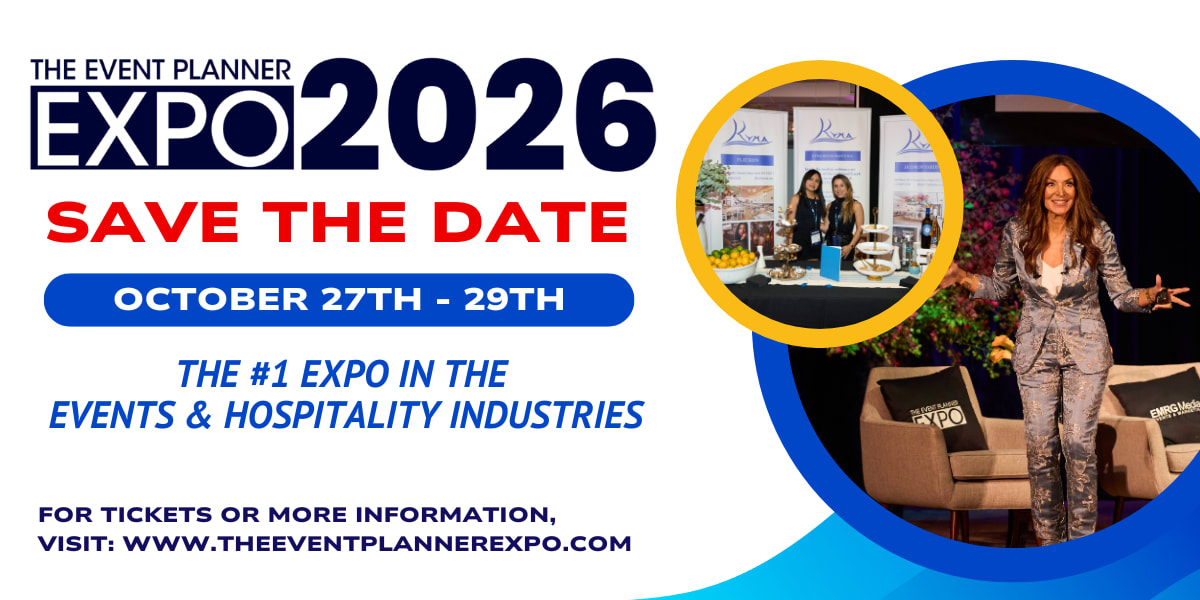
Sponsors are writing blank checks anymore. They are evaluating ROI and being more selective about the opportunities they pursue. Brands are looking for environments that align with how they want to be experienced, not just where they can be seen. This shift is shaping conversations happening around sponsorship strategy and event production as we move toward The Event Planner Expo 2026.
Get tickets to The Event Planner Expo 2026 and be in the room with NYC planners and producers who are redefining how sponsorship value is built, communicated, and delivered in 2026.