What Executives Notice First When They Walk Into a Room
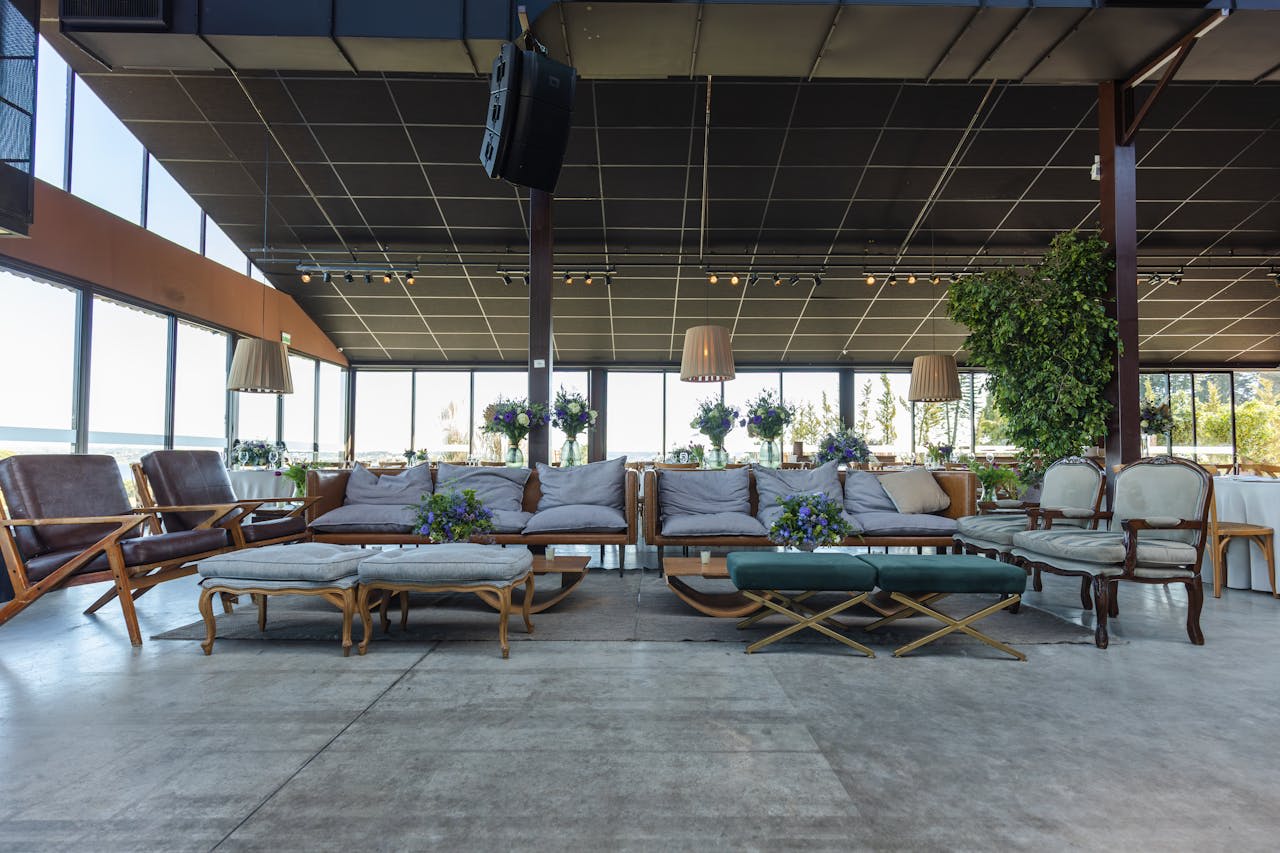
Corporate clients are the most challenging clients to have. It’s not because of the budget, though. It’s because there are multiple people within the organization that you, as the event planner, have to impress. The executives are the most important and hardest to impress. They aren’t easy into the event; they’re scanning it. Within the first few seconds, they are reading the room.
1. They Notice Whether the Room Feels Controlled
This isn’t about the event feeling or looking polished. It’s about having controlled energy. A room that looks visually strong can feel unsettled. There could be small delays. The staff could be uncoordinated and moving too quickly. Guests could hesitate and bottleneck because they aren’t sure where to go.
Executives aren’t taking time to analyze why things are off. They are just picking up on the vibes.
2. They Clock the Entry Experience Without Slowing Down
Executives rarely pause at entry. Because of their status, they are ushered through the entry with VIP treatment. However, don’t slack off thinking they aren’t taking note of the entry experience for everyone else. They are taking everything in.
Clear sightlines and pathways are essential. No one should be asking where to go or feeling confused about the next step. Guests shouldn’t be bottlenecked or stopped.
In New York City venues, where entry points can be tight, shared, or layered, this becomes more noticeable. If the first interaction feels disorganized or unclear, it sets a tone that carries into the rest of the event.
3. They Read the Room Before They Engage With It
Before sitting, before greeting anyone, executives scan the environment.
Where are people gathering? How is the space being used? Does the layout make sense?
If guests are clustered awkwardly or leaving gaps in the room, it signals friction.
If movement feels natural, it signals that the space is working.
This is not about density. It is about flow.
Executives pick up on that quickly because it reflects how well the event has been thought through.
4. They Notice Staff Behavior
Executives are leaders, and they are wired to notice what teams of people are doing. They will take note of how the event staff moves and coordinates. It isn’t about how many people are working at the event.
They are looking at how the event staff moves. They look at whether the staff is calm or not. They look at whether the staff is moving intentionally. They evaluate whether the staff is guiding or reacting.
5. They Feel Inconsistencies in Production
The production for an event needs to be on point. This is the element of the event that indicates whether you know what you are doing or not as an event planner. Lighting, sound, transitions, and displays all come together to make the corporate client look profession. Poor production quality reflects poorly on the client.
Executives expect their company to be represented at a level that meets their expectations. They may not call out specific issues, but they recognize when something does not align.
6. They Evaluate How Attention Is Being Directed
The purpose of a corporate vent is to convey content. That could be a message, idea, or information. If people aren’t paying attention, then the whole point of the event is moot.
A scattered event doesn’t direct or command guest attention. A well-organized event directs people’s attention and encourages engagement.
7. They Pick up on Sponsor Presence Quickly
Sponsor activations that feel overly aggressive create a disconnect at the event. This is about more than an individual logo here and there. It’s about how sponsors are integrated into the entire event. If the sponsor's presence feels aligned with the environment, executives will support it.
8. They Notice Pacing Without Checking the Clock
Don’t expect executives to sit around and wait. Their time is valuable, making them more sensitive to timing. This isn’t about counting minutes. It’s about the flow and pacing of the event. Executives will take note if the event feels rushed or delayed. They take note of awkward transitions that feel clunky.
9. They Assess Whether the Event Matches the Brand
The analysis happens almost instantly and unconsciously. Executives will look at the event’s elements and determine whether it accurately reflects the company hosting it. They are especially tuned into this because they are responsible for how the brand is represented. Disconnects create doubt. Alignment creates credibility and trust.
Where NYC Raises Expectations
NYC is full of executives who have seen it all. They attend a wide range of events. The demands on their time and attention are great. They are moving quickly in the city. This gives them a wealth of experiences to compare your event to.
If the room feels even slightly off, they will immediately clock it. Mistakes that may go unnoticed in other markets will be a major issue in NYC. That pressure raises the standard for how events are designed and executed.

Learn More About What Executives Notice at The Event Planner Expo
A client's first impression of an event is more important than ever. Executives are doing more than evaluating their experience. They are looking at how the team behind the event performs. This mindset shift is changing how event planners approach their execution. Learn from the best and how top event planners are changing their methods at The Event Planner Expo.
Get tickets to The Event Planner Expo 2026 and be in the room with NYC planners and producers who are refining how high-level events are experienced from the moment guests walk in.