12 Corporate Event Themes That Don’t Feel Corporate at All
Corporate themes aren’t the issue. It’s how they’re brought to life. Most events don’t fall flat because the concept missed the mark. They fall flat because everything feels too predictable. Guests walk in, take a quick look around, and within minutes, they already know what the night holds. Once that sense of discovery disappears, so does engagement.
That’s Why the Conversation has Shifted.
The most effective planners heading into 2026 aren’t starting with “What’s the theme?” They’re thinking about how the event should feel, how guests will move through the space, and what will naturally keep people engaged.
The themes below aren’t new ideas. What’s changed is how they’re executed and why they work when they do.
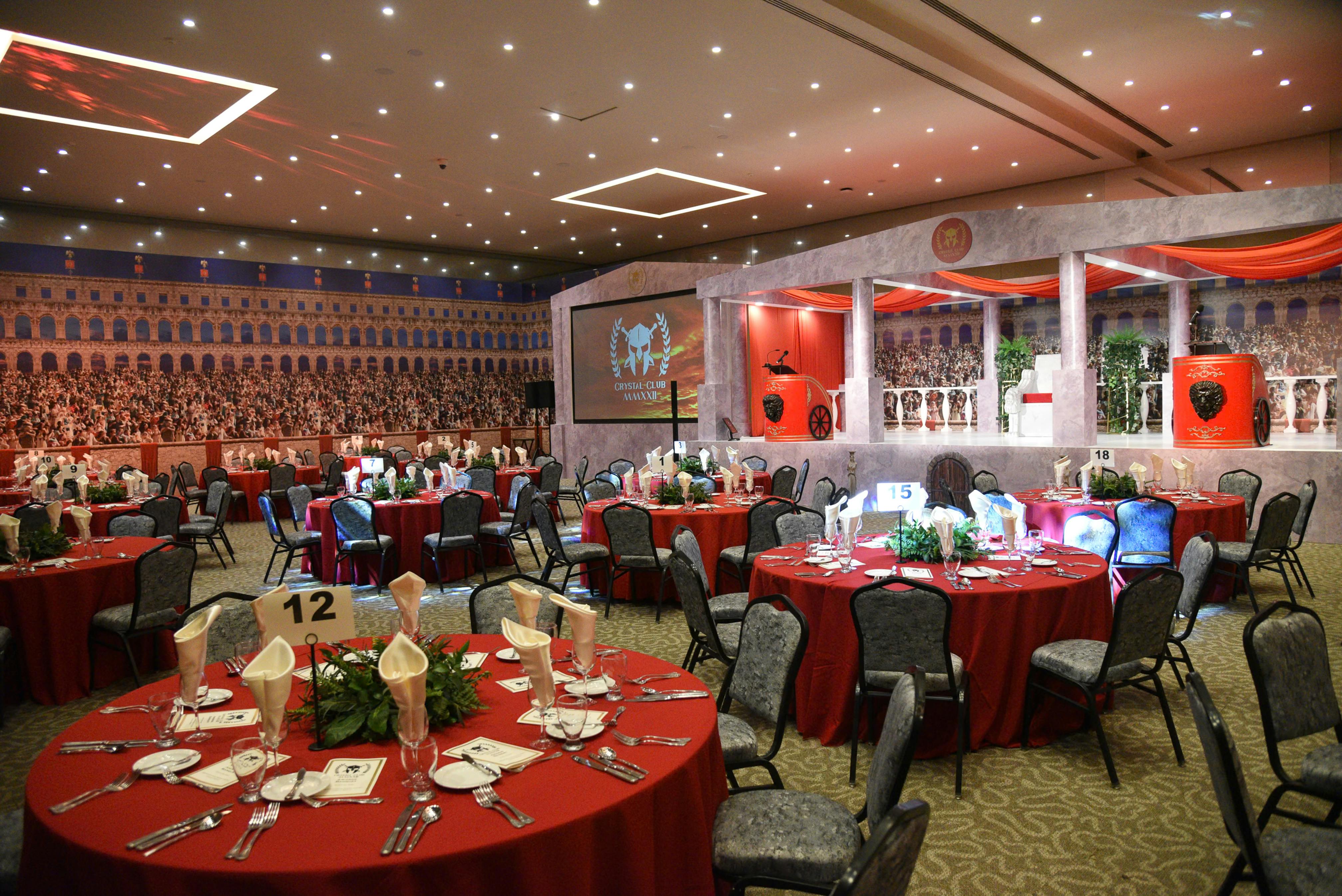
The Dinner Party That Still Feels Intimate at Scale
Large-scale corporate dinners often feel structured and predictable. They feel stiff because there’s a bit too much polish and planning. The fluid, natural feel of a casual dinner party is gone. So, how can we bring back the more personable experience?
The secret is the layout and flow. Mix different-sized and shaped tables together. Some can be long communal tables. Others can be smaller, more intimate seating. Arrange them to encourage interaction between the tables and make it easy to move around the room. Have lighting shifts throughout the meal. It creates a flow to the experience rather than an abrupt end.
The “Members Only” Atmosphere That Changes Behavior
Exclusivity doesn’t need to be loud to be effective.
In fact, the most impactful version is subtle.
In a city where people attend events regularly, it doesn’t take much for something to feel routine. What stands out is when access feels considered. Intentional. Curated.
That starts the moment guests arrive. A check-in that feels like a welcome, not a transaction. Spaces that reveal themselves gradually instead of all at once.
When people feel like they’re part of something thoughtfully designed, they engage differently. They linger. They pay closer attention. They treat the experience with more care.
It’s not about status. It’s about perception.
The Offsite That Doesn’t Feel Like an Obligation
Let’s be honest. Most corporate offsites feel like work in a different location.
They’re often over-structured and overly clear in their intent. Guests show up expecting to be managed rather than inspired.
What’s working now is a softer approach. Spaces that feel like a departure from the everyday, even if the goals are still business-driven.
In a city like New York, where people are constantly navigating noise and pressure, contrast matters. Softer seating. Open layouts. Moments that allow for pause instead of constant stimulation.
When guests feel like they have a choice in how they engage, participation naturally improves. They lean in because they want to, not because they have to.
The Interactive Gallery That Keeps People Moving
Gallery-style events can be visually impressive, but they often miss one thing: interaction.
Guests walk through, take it in, and move on.
The more effective approach invites participation. Installations that shift throughout the evening. Elements that respond to movement or touch. Experiences that evolve as guests move through them.
This works particularly well in NYC venues with multiple rooms or levels. Instead of forcing flow, you create reasons to explore.
There’s no single focal point. The experience unfolds gradually, which keeps energy consistent without relying on a rigid schedule.
The “Neighborhood” Layout That Builds Energy Naturally
Static layouts tend to lose momentum quickly.
Breaking the event into smaller, distinct environments changes that. Each area has its own feel, its own energy, while still connecting to the overall concept.
In New York, this often aligns naturally with the venue. Different rooms, floors, or outdoor spaces become part of the story.
Guests move because they’re curious. Not because they’re being directed.
That movement creates more interactions, more discovery, and a much more dynamic experience overall.
Keep People Comfortable and Engaged
Comfort is often overlooked, but it plays a major role in how long guests stay and how deeply they engage.
When people feel physically at ease, they settle in. Conversations last longer. Connections feel more natural.
The best planners think beyond how a space looks. They consider how it functions:
-
- How long will someone realistically sit here?
- Can they easily grab a drink or join a conversation?
- Does the space invite them to stay?
In tighter NYC venues, this approach creates a sense of relief. It gives guests somewhere to land instead of constantly circulating.
That alone can shift the tone of the entire event.
The Culinary Experience That Leads the Night
When food becomes the focal point, everything else can take a step back.
Instead of building the event around scheduled programming, the experience unfolds through the meal itself. Courses create pacing. Stations create interaction.
It feels fluid rather than segmented.
In high-end New York events, this approach allows planners to guide the experience without over-directing it. Guests stay engaged because the flow feels natural.
No one is waiting for what’s next. They’re already in it.
The “Work in Progress” Concept
Most events present a finished product.
This approach does the opposite. It allows the experience to evolve throughout the night.
Lighting shifts. Installations change. New elements are introduced as the event unfolds.
In a city where guests are used to high production value, that sense of progression feels fresh. It adds a layer of unpredictability without losing control.
Guests aren’t just observing. They’re experiencing something as it happens.
Brand Experiences Don’t Feel Like Marketing
Over-branding is one of the fastest ways to make an event feel overly corporate.
Logos everywhere. Messaging repeated. It becomes hard to ignore.
A more effective approach is subtle. The brand is built into the environment through materials, color, tone, and interaction.
In New York, where audiences tend to be more design-aware, this restraint makes a difference. Guests don’t feel like they’re being marketed to.
They feel like they’re inside the brand.
The “Choose Your Own Night” Format
When guests have control over how they experience an event, they naturally become more invested.
Different paths. Different environments. No single “right” way to participate.
This works especially well for corporate audiences with varying expectations and energy levels.
In venues with multiple spaces, it becomes an advantage. Instead of forcing one flow, you allow the event to adapt to the guest.
That flexibility often leads to longer stays and more meaningful engagement.
The Nature-Inspired Space That Actually Changes the Mood
Nature-inspired events can easily fall into surface-level design.
Greenery alone isn’t enough.
The more effective version focuses on how the space feels. Air movement. Sound. Lighting that mimics natural transitions. Materials that shift the physical experience of the room.
In a city environment, that sensory change is noticeable. It slows people down. It changes how they interact.
That’s what makes it memorable.
The Late-Night Shift That Keeps Energy Up
Many corporate events start out strong with a bold entry experience. Then the energy slowly fades away as the event continues. The momentum never really picks up again. Experienced event planners account for this.
They know that there is a natural high at the beginning of the event as people arrive excited. They plan the event to create a second phase of the event. A lighting shift, music change, or entertainment jump can all bring the momentum and energy back.

Learn More About Corporate Event Themes at The Event Planner Expo
None of these themes is groundbreaking on its own. It’s the execution by top-tier event planners that sets them apart. Effective corporate events don’t rely on cheap gimmicks like loud concepts and grandiose ideas. Instead, the event planner removes the unnecessary structure and focuses on thoughtful event flow.
In New York City, where expectations are high and attention is limited, that level of planning isn’t optional anymore. It’s what separates events that feel routine from those people actually remember. And that’s exactly the kind of thinking shaping conversations at The Event Planner Expo 2026.
Get tickets to The Event Planner Expo 2026.