8 NYC Event Dining Concepts That Keep Guests Mingling Longer
 People are not happy when they are hungry. If your event’s dining concept leaves people wanting, then your event is failing. One minute, your event venue is full and thriving. Then, before you realize it, everyone is making excuses and heading towards the door. These dining concepts will keep people around, instead of signaling that it’s time to go.
1. Passed Bites That Just… Don’t Stop
Small appetizers that were passed around the room were once a polite per-dinner nibble. They were mindless and quick. A lap or two around the room, giving people a fleeting chance to grab their share.
Top NYC event planners take a different approach. These cocktail-hour bites keep circulating through the venue. It’s not aggressive or in your face. It’s not enough to signal to guests that it’s time to find some food. Because once they leave, they likely aren’t coming back.
It feels casual for event guests. Event planners know it’s carefully planned choreography.
2. Stations That Create Tiny Social Traffic Jams
There’s a balance when planning food stations. One reason people hate buffet setups is the long lines. People are stuck in long lines, waiting for mediocre food. The opposite is just as problematic. Tables that are too small allow people to grab and go without sticking around. This hinders the natural networking that happens when people gather.
The best catering stations slow people down just enough to have micro-conversations while they wait. However, the wait isn’t so long that people become frustrated or annoyed.
“Wait, what sauce is that?” “Oh I did the spicy one.” That’s it. That’s the networking strategy. Not a workshop. A sauce question.
3. Grazing Tables That Feel Like You’re Not “Done”
Buffets have a clear beginning, middle, and end. Grazing tables feel ongoing, like the food situation is still… developing.
People grab a little, wander off, then circle back because they spotted something else. That repeated movement across the room increases random collisions. Which is just a polite way of saying “networking that doesn’t feel like networking.”
Also, standing near a big, beautiful spread of food weirdly makes people hang out longer. There’s no line pressure. No “get in, get out.” It’s social loitering with cheese.
4. Late-Night Carbs That Revive the Dead
There’s an energy dip that happens towards the end of the night. People have been on their feet for hours. They might have had several drinks. They danced. They socialized. Now, they are tired.
This is the time when they start doing mental calculations to plan their exit. Now is the perfect time to embrace everyone’s love of junk food, carbs, and guilty pleasures. Sliders. Ramen. Fries. Something warm and a little unhinged compared to the earlier “elevated” menu.
This little surprise is like a reward. Guests who stuck around text their friends and stop them from leaving or call them back. Conversations that were beginning fade are revived. Energy levels come back to life.
It buys you another chunk of time without a single “please stay” announcement.
5. Drink Stations That People Actually Linger At
Bars are obvious social spots, but some drink setups now feel like mini attractions.
Mocktail stations, especially. Real zero-proof drinks with herbs, citrus, and interesting flavors. People watch. They ask what’s in it. They compare. It becomes a tiny activity, not just a transaction.
And in corporate rooms where not everyone wants to look tipsy in front of leadership, having a cool non-alcoholic option keeps more people in the main social zone instead of peeling off early.
6. Food That Comes in Waves Instead of One Big “Eat Now”
One big meal tells people, “Okay, you’ve eaten, the event arc is closing.” Multiple smaller food moments keep things feeling open.
Early bites. Mid-event snacks. Late comfort food. Each one resets the room a bit and pulls people back into shared areas at different times.
Guests never fully feel “finished,” so they don’t hit that mental wrap-up point as quickly. It stretches the social life of the event without anyone feeling trapped.
7. One-Hand Foods (A Love Letter to Not Being Awkward)
When people attend an event, they want to have a good time. Food can support this by being fun. Part of being fun is making it easy to enjoy.
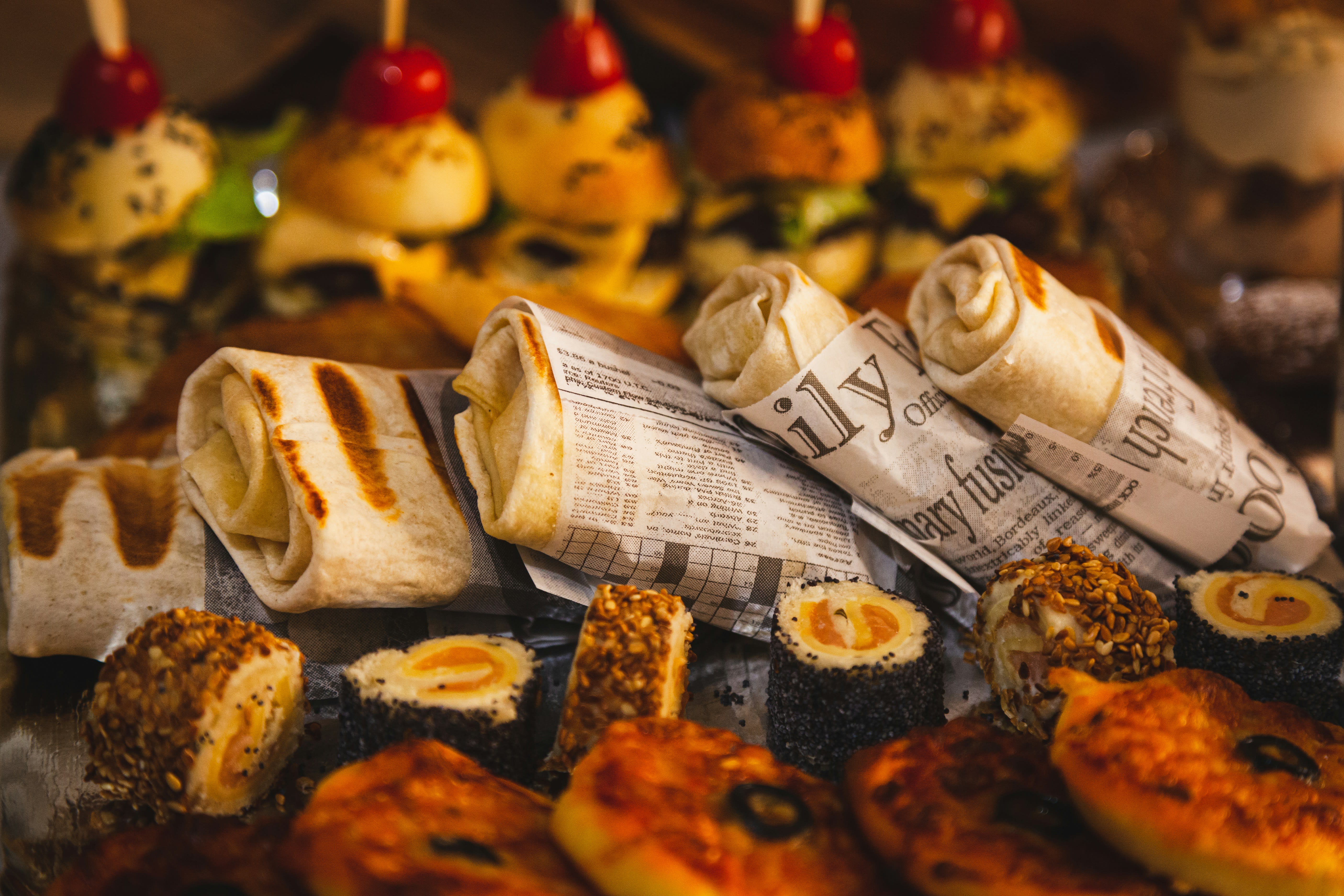
Food that feels like a juggling act immediately kills movement, mingling, and engagement. Avoid things that are messy, drippy, or crumbling. Stick with cones, skewers, wraps, cups, and one-handed tacos.
Remove physical awkwardness, and social interaction flows better. It’s not glamorous. It’s just true.
8. Dining That Feels Like Part of the Experience, Not a Break From It
The most significant difference between old-school and new-school catering is how well the food integrates with the rest of the event. The event experience doesn’t pause while a guest seeks out food. It’s woven into the fabric of the event.
Instead of “okay, now we eat,” it’s just… happening. All the time. In different spots. Pulling people through the space.

Learn More About Event Dining Concepts at The Event Planner Expo
If people are leaving your events too early, the food plan could be the problem. A poorly designed dining concept can inadvertently signal to guests that it’s time to leave. Conversations about dining need to be more than just “what tastes good”.
The Event Planner Expo is one of the few places where you can actually meet them, taste ideas, and talk through formats in person rather than just swapping PDFs.
Showcase your brand on the industry’s biggest stage. Reserve your booth.