Best Event Moments That Weren’t Planned—But Were Designed For
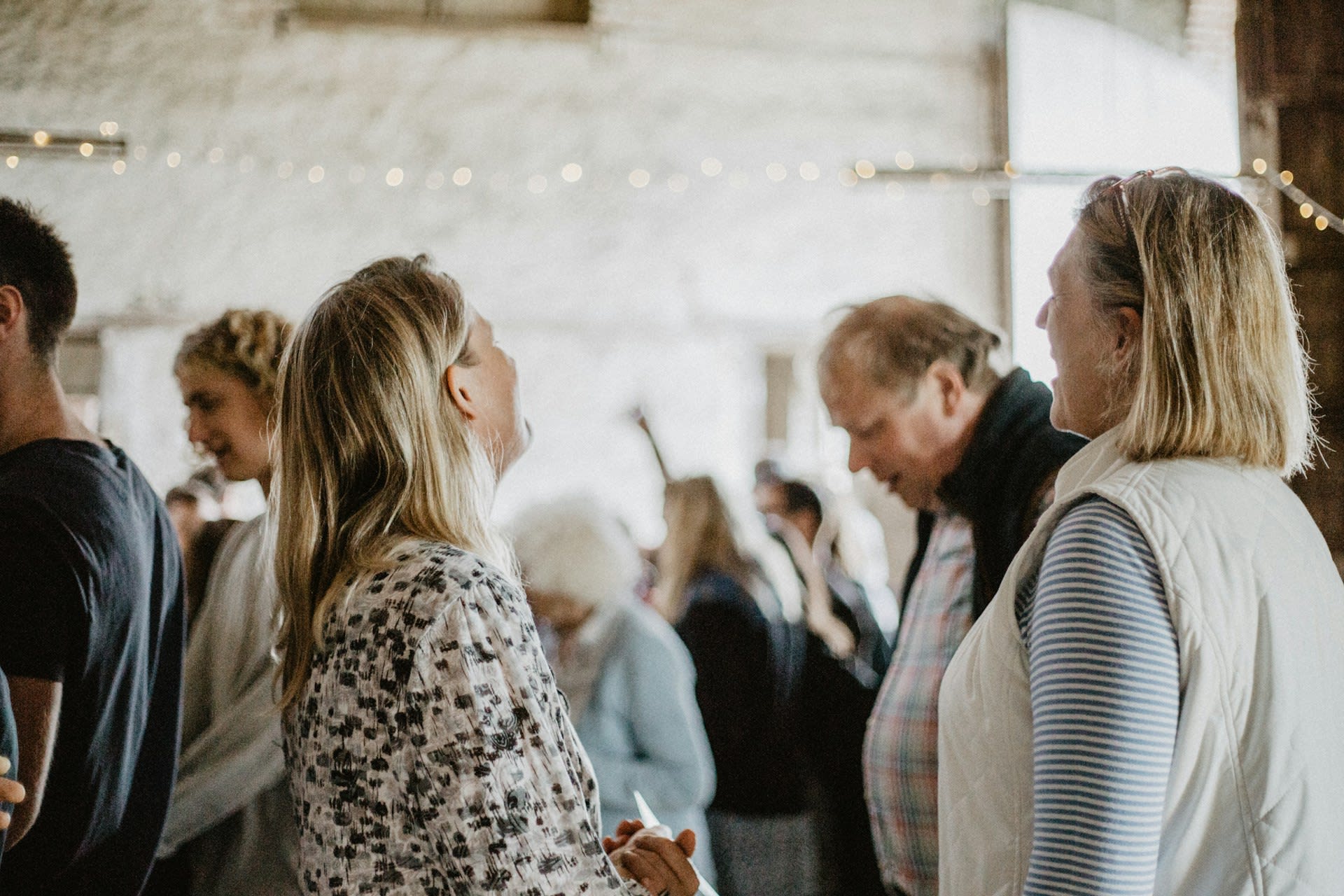
Ask any experienced NYC event planner what guests remember most, and the answer is rarely the run of show. It’s more likely that they will describe a moment that the event planner didn’t specifically arrange. In 2026, the strongest event production strategies are not built around scripting every second. They are built around creating the conditions for the right moments to happen naturally.
Why Over-Scripting Is Starting to Backfire
There was a period where tighter control meant better events.
Detailed timelines. Locked-in transitions. Every cue accounted for. Every interaction anticipated.
It created consistency. It reduced risk.
It also flattened the experience.
Guests can feel when an event is over-managed. Conversations feel rushed. Movement feels forced. Moments feel pre-packaged instead of real.
In NYC, where audiences are highly exposed to events and quick to disengage, that rigidity is becoming a liability.
People are not looking for perfection.
They are looking for something that feels genuine.
Over-scripting removes the space for that to happen.
Designing for Flexibility Without Losing Control
This is not a move toward chaos.
It is a move toward controlled flexibility.
The structure still exists. The timeline still matters. Production cues still need to land.
But within that structure, there is room for variation.
Planners are building frameworks instead of rigid sequences.
A keynote can run within a window instead of a fixed minute.
A networking block can expand or contract based on engagement.
A transition can shift based on how the room is responding.
This requires a different level of awareness from the production team.
They are not just executing. They are reading the room in real time.
That shift is subtle, but it changes everything about how an event feels.
The Environments That Invite Organic Moments
Unplanned moments do not happen in every environment.
They happen in spaces that allow them.
That means:
-
- Areas where guests can gather without being rushed through
- Layouts that encourage interaction instead of linear movement
- Sightlines that allow people to notice what is happening around them
- Lighting that creates atmosphere without overpowering conversation
In NYC venues, where space is often limited, this takes intention.
It is easy to over-program every square foot. Every corner becomes an activation. Every surface becomes branded.
The result is a room that looks full but behaves rigidly.
When planners leave space, both physically and operationally, guests start to create their own experiences within it.
That is where the unexpected moments come from.
The Role of Timing and Restraint
Not every second of an event needs to be planned out and filled. New event planners tend to make this mistake, and it can be hard to transition out of this way of thinking. Silence, pauses, and open time used to be seen as dead air instead of opportunities.
These spaces are ok. They are a chance for conversations to take place and deepen. A short delay can allow energy flow to smoothly transition instead of cutting off prematurely. An extra few moments can allow for an energy build that makes the key moment land stronger.
Without these moments, the event moves too quickly for anything meaningful to take hold. Just because the timeline is tight does not mean every second needs to be filled.
Staff and Vendor Alignment Matters More Than Ever
You cannot design for organic moments if your team is operating on autopilot.
Staff and vendors need to understand the intent behind the event, not just their individual responsibilities.
They need to know:
What kind of energy the event is aiming for
Where flexibility is allowed
When to hold back instead of pushing forward
A production team that is too rigid will override organic moments without realizing it.
They will move guests along too quickly.
They will cut off conversations to stay on schedule.
They will prioritize the timeline over the experience.
The best teams know when to step in and when to step back.
That awareness is what protects the moments you are designing for.
Why These Moments Matter More to Clients
Clients are paying closer attention to guest experience than ever before.
Not just attendance. Not just visuals.
Actual engagement.
The moments that were not explicitly planned often become the most valuable from a brand perspective.
They feel authentic.
They generate better content.
They create stronger emotional connection.
In post-event conversations, these are the moments clients bring up.
Not the perfectly timed transition.
Not the scripted interaction.
For repeat clients, this is what keeps events from feeling repetitive.
You can change decor, venues, and programming. If the experience feels the same, it will be treated the same.
Organic moments break that pattern.
Designing for Content Without Forcing It
You can’t force content and guest experiences. Experienced event planners in NYC understand that you have to guide the event, not force-push it to the desired outcome.
Forced content opportunities are easy to spot. They feel staged and have a disjointed flow.
The Risk Factor and How to Manage It
Embracing unplanned moments means accepting a degree of uncertainty and having risk tolerance. Some event planners find this uncomfortable. They want an event timeline locked in and precisely followed.
Natural moments embrace the open space in timelines. The goal isn’t to overproduce the event. It’s giving the event some room to breathe and naturally evolve to the desired outcome of the event.
This is what separates planners who can execute this approach from those who cannot.
The NYC Advantage in Reading the Room
New York City planners are uniquely positioned for this shift. They are used to the fast-paced life of the city. They know that the beauty of city life is its unpredictability. They also know that guest expectations are at an all-time high, and they won’t hesitate to give feedback.
Top event planners know how to read the room. It’s what makes them so successful at their chosen career. This skill is what helps them remain flexible and design for natural feeling moments.
These events feel responsive and alive. They don’t feel stiff or scripted. They feel like they are happening in real time, not just being executed.

Learn More About Event Moments at The Event Planner Expo
There is always be a palace for traditional event planning. However, top NYC event planners are adapting to changing trends. They are no longer just coordinating and executing. They are curating experiences.
If this is how you are thinking about event production moving into 2026, The Event Planner Expo 2026 is where these strategies are being discussed and refined in real time.
Get tickets and learn from the planners who are designing experiences that feel unscripted, but never unintentional.