The Referral System Most NYC Event Planners Haven’t Built Yet
If your referral system lives entirely in your head, a mental note here, a thank-you text there, maybe a handshake deal with a venue you like, you don’t actually have a referral system. You have referral luck. And luck isn’t a revenue strategy, especially not in New York City where competition for high-value event contracts runs this steep. NYC event planners who want to scale need to be intentional, structured, and relentlessly strategic about how referrals flow into their pipeline. If you’re serious about event planning business growth, The Ultimate Guide to Growing Your Event Business in NYC lays the foundation, but this blog goes deeper, specifically into the referral engine that most planners have never built on purpose.
The NYC event market is dense. There’s real money moving through it, corporate events in Midtown, luxury galas in the Flatiron District, experiential brand activations in SoHo. But despite all that opportunity, most event planners are still relying on word-of-mouth marketing as a passive force. Clients mention you when they happen to think of it. A florist passes your name along if someone asks. A venue coordinator recommends you when the timing is right. That’s not a referral system. That’s a coincidence, wearing a business casual outfit. Building a real referral system means designing a reliable mechanism that consistently generates warm leads, one that works whether you’re actively hustling or deep in execution mode on a massive event.
1. Why NYC Event Planners Keep Leaving Referral Revenue on the Table
Most event professionals are excellent at their craft. They execute beautifully, build relationships naturally, and genuinely leave clients impressed. But the transition from “great event” to “systematic referral pipeline” almost never happens automatically. Here’s why the gap exists, and why it’s costing you more than you think.
The Customer Acquisition Cost Problem
Customer acquisition cost, or CAC, is one of the most important financial metrics in any service business. In the NYC event market, acquiring a cold lead through paid advertising, outbound sales, or even trade shows can cost hundreds to thousands of dollars per converted client. A referral, by contrast, arrives already sold on the idea of working with you. Nielsen research confirms that people are four times more likely to make a purchasing decision when referred by someone they trust. That’s not a small lift. That’s a fundamental shift in conversion probability.
When your referral system is passive, you’re essentially paying full CAC for every new client because you’re not engineering the referral pathway. You’re hoping satisfied clients think of you, remember to mention you, and follow through on the mention. Each of those steps is a leak in the pipeline. A structured referral system intentionally plugs those leaks.
The NYC Network Advantage You’re Not Using
Here’s the competitive reality in New York: your professional network is worth more than your portfolio. In a city where relationships run the show, where a venue manager’s recommendation can unlock a six-figure corporate client, and where a senior brand manager’s endorsement gets you into rooms your website never could, a system that cultivates and leverages those relationships isn’t optional. It’s the business model. NYC event planners who thrive long-term have almost universally built intentional networks with strategic referral flows built in. They haven’t left it to chance.
2. The Architecture of a Real Referral System for NYC Event Planners
A referral system isn’t a single tactic. It’s a structure, multiple layers that work together to generate consistent inbound leads. Think of it as your lead nurturing system running in the background at all times. Here’s how the architecture breaks down for event professionals operating in the NYC market.
Layer One: Venue Partnerships NYC, Your Highest-Volume Referral Channel
Venue partnerships in NYC are the single most powerful referral channel available to most event planners, yet the most underused systematically. Venues talk to prospective event clients before planners do. A couple walks into a Tribeca loft. A corporate team tours a rooftop space in Midtown. A nonprofit visits a ballroom on the Upper East Side. In each case, the venue coordinator has an opportunity to recommend a planner. If that’s not you, it’s someone else.
Building formal venue partnerships requires you to be specific, mutual, and documented. Here’s what a real venue partnership program looks like:
Identify 8 to 12 venues where your event style aligns naturally, corporate, luxury, experiential, or social.
- Set up a formal introduction call with the venue’s sales or events coordinator.
- Propose a mutual referral agreement: you refer clients looking for their space, and they recommend you to clients who need a planner.
- Agree on a preferred-vendor status or co-marketing arrangement, where your materials are in their space and vice versa.
- Build in a quarterly check-in to review the referrals exchanged and troubleshoot any friction points.
This isn’t casual. It’s a B2B relationship with expectations on both sides. Venue partnerships NYC that are structured like business relationships produce referrals. Venue relationships that are left at the “let’s grab coffee sometime” level produce nothing.
Layer Two: Agency and Vendor Referral Networks
The NYC event ecosystem runs on a dense web of complementary service providers, caterers, photographers, AV production companies, florists, entertainment bookers, décor designers, and more. Each of these professionals talks to event clients at some point in the buying process. If they don’t have a planner to recommend, they’re either losing that conversation or sending it to a competitor of yours.
Strategic event partnerships with vendors work differently from venue partnerships. The volume is lower per relationship, but the quality tends to be higher because vendor recommendations come at a moment of active buying intent. A caterer who says, “You should call this planner,” to a corporate client evaluating menu options is handing you a warm lead at precisely the right moment.
For your vendor referral network, prioritize the following:
- Identify vendors who work at the same price point and client level as you do.
- Build genuine working relationships, collaborate on real events before formalizing referral arrangements.
- Create a simple referral card or digital introduction template that vendors can easily share on your behalf.
- Offer reciprocal referrals with full transparency about how you choose your vendor recommendations.
- Track every vendor referral that comes in so you can thank appropriately and strengthen those relationships over time.
Layer Three: Past Clients as a Systematic Referral Source
Your past clients are already sold on your value. They’ve experienced your work, they trust your professionalism, and they’re sitting in social and professional networks that likely contain exactly the kind of clients you want. The problem is that most planners let these relationships go dormant after the post-event survey. That’s a massive miss.
A systematic approach to past client referrals looks like this:
Build a tiered client list: A-tier (highest value, strongest relationship), B-tier (satisfied, less engaged), C-tier (one-time, limited relationship).
- Create a 90-day post-event re-engagement sequence: thank-you, one-month check-in, quarterly value email or industry insight, anniversary note.
- Make the referral ask specific and easy: “If you know anyone planning a corporate event in the next six months, I’d love an introduction”, not a generic “send anyone my way.”
- Provide a frictionless referral mechanism: a simple email template they can forward, a LinkedIn recommendation request, or a referral link to your intake form.
3. How to Incentivize Referrals Without Cheapening Your Brand
This is where a lot of event planners get stuck. Incentivizing referrals feels transactional, and in a relationship-driven industry, the last thing you want is for a trusted collaborator to feel like you’re reducing your partnership to a cash exchange. But the solution isn’t to avoid incentives; it’s to design them thoughtfully.
The Right Incentive Structure for B2B Referral Marketing
B2B referral marketing in the event industry works best when incentives feel like relationship investments rather than payouts. Here’s a framework that works without alienating your network:
- For venue partners: Offer exclusive co-marketing opportunities, featured spots in your newsletters, social shoutouts, or joint content creation. These add value to their brand, not just their wallet.
- For vendor partners: Build in priority project placement. When you have a project that needs their service, your referral partners get the right of first refusal and often better terms.
- For past clients: Offer service credits or premium add-ons on a future engagement. This rewards the referral while also positioning your next project together as a natural next step.
- For high-volume referrers: A formal commission structure (typically 5 to 10 percent of the first project value) is appropriate and expected in professional B2B circles. Be transparent, put it in writing, and honor it every single time.
The key distinction in B2B referral marketing is consistency. When your referral network knows exactly what they can expect from referring to you, they’re far more likely to do it repeatedly. Ambiguity kills referral volume. Clarity builds it.
4. Tracking Referrals Like a Revenue-Focused Business
You can’t optimize what you don’t measure. Most event planners have zero visibility into how referrals actually flow through their business. They couldn’t tell you which venue partners sent them the most leads last quarter, which vendor relationships have gone cold, or what percentage of their annual revenue comes from referral sources. That data is money sitting on the floor, uncollected.
Building a Simple Referral Tracking System
You don’t need sophisticated software to start. You need discipline and a basic structure. Here’s a workable starting point:
1. Add a “How did you hear about us?” field to your inquiry form, but make it a dropdown with specific options, not a freeform field. Include venue names, vendor categories, and “Past client” as options.
2. Create a referral source spreadsheet that logs every incoming lead with the referral source, lead value, and whether it is converted.
3. Review the spreadsheet monthly. After 90 days, you’ll have a clear picture of which relationships are generating volume and which aren’t pulling their weight.
4. Set quarterly relationship investment goals, if a venue partner hasn’t sent a referral in three months, schedule a check-in call to find out why and reinvigorate the relationship.
As your business grows, platforms like HoneyBook, Dubsado, or even a CRM like HubSpot’s free tier can automate much of this tracking. Event planning business growth depends on knowing your numbers, and referral data is one of the most valuable revenue intelligence sources you have access to.
ROI Measurement for Your Referral System
Once you have six months of tracking data, you can start calculating the actual ROI of your referral system. The math is straightforward: total revenue from referrals divided by the cost of maintaining the referral program (time, incentives, co-marketing spend) gives you your referral ROI. For most event businesses that build this system properly, that number is exceptional, often exceeding 10x the investment. That’s the business case for doing this with intention rather than leaving it to luck.
5. NYC-Specific Referral Strategies That Work in This Market
New York City’s event market has nuances that don’t translate from a generic referral playbook. Here’s where the local strategy diverges from the standard advice.
The Midtown Corporate Pipeline
Midtown Manhattan is the highest-density concentration of corporate event buyers in the country. Fortune 500 marketing teams, financial services firms, law practices, and tech companies all run events out of Midtown, and they spend serious money. Getting into this pipeline via referral is far more effective than cold outreach.
Your best referral sources for Midtown corporate clients are hotel event coordinators, corporate travel management companies, and executive assistants who manage event logistics. These three categories of connectors often make vendor recommendations before a budget is even formally approved. Building relationships with them systematically, attending the right industry mixers, showing up at events like The Event Planner Expo, and offering genuine value without an immediate ask, is how you get into this flow.
The Brooklyn and Downtown Creative Market
The experiential marketing professionals and agency clients concentrated in Brooklyn, DUMBO, and Downtown Manhattan operate on a different referral logic. Here, creative reputation travels fast, and peer-to-peer recommendations carry enormous weight. Your referral engine in this segment runs primarily through creative agency relationships and production company partnerships.
Target experiential marketing agencies that produce brand activations but don’t run full-service event planning. These agencies regularly need reliable partners to manage logistics, vendor coordination, and on-site execution. Position yourself as their go-to implementation partner, and you’ll receive a steady stream of high-value referrals from clients who already have budget authority.
Event Management Referral Program Within Your Vendor Community
NYC’s vendor community is tight. A strong reputation with five or six key vendors will generate more referral volume than any advertising campaign you could run. The strategy here is to be the planner that vendors love to work with: pay promptly, communicate clearly, give credit publicly, and treat vendor relationships as long-term partnerships rather than transactional service agreements. When you’re known as a great partner, vendors become your most enthusiastic referral sources because recommending you reflects well on them, too.
6. For Sponsors and Brands: Why The Event Planner Expo Is Your Highest-ROI Referral Channel
If you’re a brand manager, marketing director, or corporate sponsor evaluating where to focus your B2B event marketing spend in 2026, this section is for you.
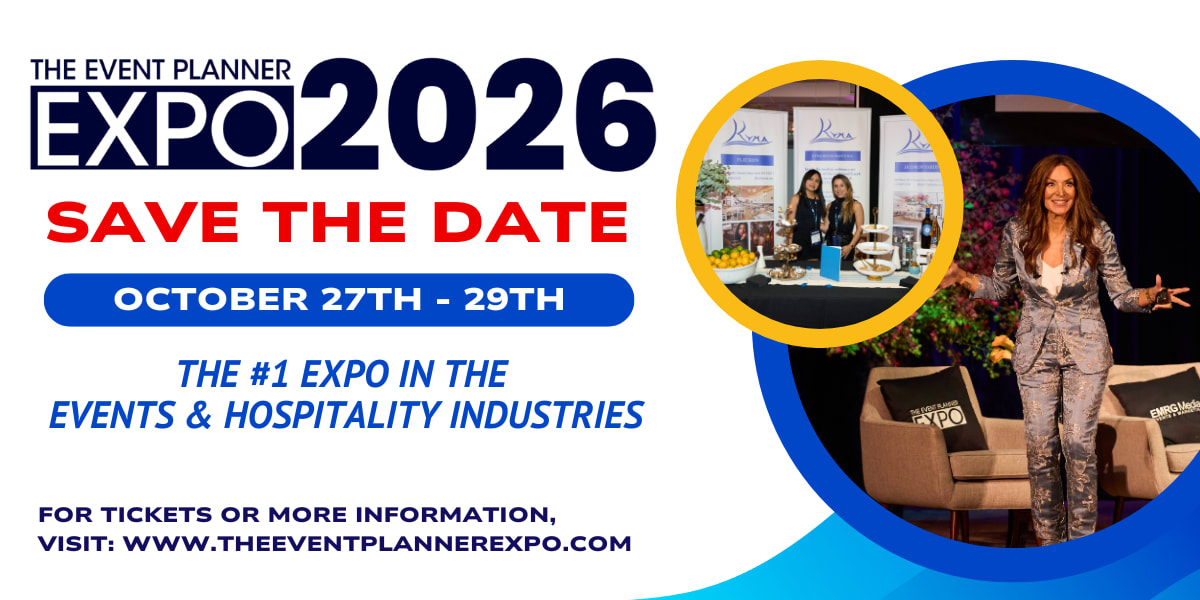
The Event Planner Expo brings together more than 2,500 active event professionals in New York City, including planners, vendors, caterers, production teams, entertainment companies, and venue operators, all under one roof. This isn’t a general consumer audience. This is a dense, high-intent, professional buyer audience actively looking for the tools, technologies, services, and partnerships that will drive their event businesses forward.
The Sponsor’s Referral Advantage at The Event Planner Expo
When your brand sponsors or exhibits at The Event Planner Expo, you’re not buying ad impressions. You’re buying relationships. The event professionals in that room are the exact people who recommend vendors, platforms, and service providers to their clients. A caterer who works 40 corporate events per year has 40 opportunities to recommend your product or service. A production company executing 20 brand activations per year touches 20 sets of corporate marketing teams. These aren’t passive consumers. They are active referral nodes in the NYC event ecosystem.
Sponsor visibility at The Event Planner Expo translates directly into referral volume, as you’re building brand recognition with the very people who influence purchasing decisions throughout the entire event supply chain. That’s a fundamentally different ROI than a banner ad or a sponsored LinkedIn post.
What Sponsorship Looks Like at Scale
The Expo’s 150+ exhibitors represent the full ecosystem of the NYC event industry. Category exclusivity for sponsors means your brand has maximum share of voice among a highly targeted audience. Combined with speaker opportunities, branded activations on the trade show floor, and multi-day dwell time that no digital campaign can replicate, this is experiential marketing at its most efficient.
- Direct access to 2,500+ event professionals who influence procurement decisions
- Three-day engagement window, far beyond the attention span of any digital touchpoint
- Brand recall built through physical, in-person interaction is the highest-retention marketing format available
- Relationship-building opportunities that turn one-time exposures into long-term referral partnerships
- NYC geo-targeting without any of the waste inherent in broad digital campaigns
For brands looking to reach experiential marketing professionals, corporate event teams, and vendor networks that span Manhattan, Brooklyn, and the greater NYC market, The Event Planner Expo is the most concentrated, highest-quality audience available. The ROI math works, and it compounds over time as relationships built at the Expo continue generating referral value long after the event ends.
Frequently Asked Questions
How do I build a referral system as a solo NYC event planner?
Start with your top three to five most trusted vendor or venue relationships and formalize them. Have an explicit conversation about mutual referrals, document the agreement simply, and track every lead that comes in. A referral system for a solo planner doesn’t need to be complex; it needs to be consistent. Even five strong relationships actively exchanging referrals can significantly change your revenue trajectory.
What’s the best way to track referrals for an event planning business?
The most practical starting point is a structured intake form that captures the referral source at the moment of inquiry. Pair that with a simple tracking spreadsheet reviewed monthly. As your volume grows, a CRM platform like HubSpot, Dubsado, or HoneyBook offers more automation and better reporting. The goal is visibility: you want to know at any point which relationships are generating leads and what those leads are worth.
How do venue partnerships NYC actually generate referral leads?
Venue coordinators interact with prospective event clients before most planners do. When a venue has a formal preferred-vendor relationship with you, your name naturally comes up during venue tours and initial planning consultations. That timing, before the client has committed to anyone, is the most valuable referral moment in the entire buying process. Formalizing venue partnerships means engineering your name into that conversation.
What should a B2B referral marketing agreement with a vendor look like?
Keep it simple and mutual. Define what a referral means for each party, agree on how referrals will be communicated (an introduction email, a direct phone call, a named mention), establish any incentive structure clearly, and agree to review the arrangement quarterly. For higher-volume relationships, a one-page written agreement protects both parties and signals that you’re treating this like the professional business relationship it is.
Why is The Event Planner Expo valuable for sponsors and brands targeting NYC event professionals?
The Expo concentrates more than 2,500 active event professionals in a single, multi-day format. For brands and sponsors, that means direct access to the people who drive vendor recommendations, procurement decisions, and brand adoption across dozens of corporate events, luxury gatherings, and experiential activations annually. It’s a referral network you can activate in person, at scale, in one of the world’s most economically powerful cities.
How do I incentivize referrals from past clients without feeling pushy?
Frame the task around making introductions rather than selling. Most satisfied clients are genuinely happy to refer, but they just forget or don’t know you’re actively taking on new projects. A simple, warm email that says you have availability and would appreciate any introductions they feel comfortable making is often enough. For high-value clients, a service credit or premium add-on as a thank-you for a successful referral adds structure without transactional pressure.
Stop Waiting on Lucky Referrals, Build the System
The NYC event planners who are growing their businesses with intention in 2026 aren’t waiting for their phone to ring. They’ve built referral systems, deliberate, structured, trackable mechanisms that generate warm leads consistently from venue partnerships, strategic vendor relationships, and past clients who’ve been re-engaged and equipped to refer. They know their numbers, they invest in their referral relationships, and they treat word-of-mouth marketing as an engineered business function rather than a happy accident.
If you’re ready to build that referral system, or if you’re a brand or sponsor looking to get in front of the NYC professionals who sit at the center of the most valuable event referral networks in the country, The Event Planner Expo is where this work happens in real time.Reserve your booth or explore sponsorship opportunities at The Event Planner Expo, because the referral system you need is already in that room waiting to be built.