Best Event Layout Evolutions We’re Seeing in NYC Right Now
Walk into a well-produced NYC event today, and the layout tells you everything before the program even starts. Beyond logistics, the event’s layout will tell you how the event will flow. Great layouts help guests connect with each other and engage with the event’s activations.
1. The Death of the Single-Room Format
The oversized grand ballrooms are losing their popularity and relevance. This isn’t surprising to top NYC event planners. People are tired of the endless rows of uncomfortable chairs facing a small stage. The cocktail tables around the perimeter are awkward.
Sure, there is order and a single focal point. However, this layout also limits engagement and interaction. The big open space isn’t comfortable to be in and makes people feel exposed.
The modern approach is to create smaller, more intimate zones. Each zone is dedicated to a single purpose. A big ballroom gets broken down into smaller spaces, which creates a layered effect.
2. Movement-First Layouts Instead of Static Placement
Old event layout design principles assumed that guests would enter, find a spot, and stay put for most of the event. That’s not how people actually behave. The modern approach to event layout takes a different perspective.
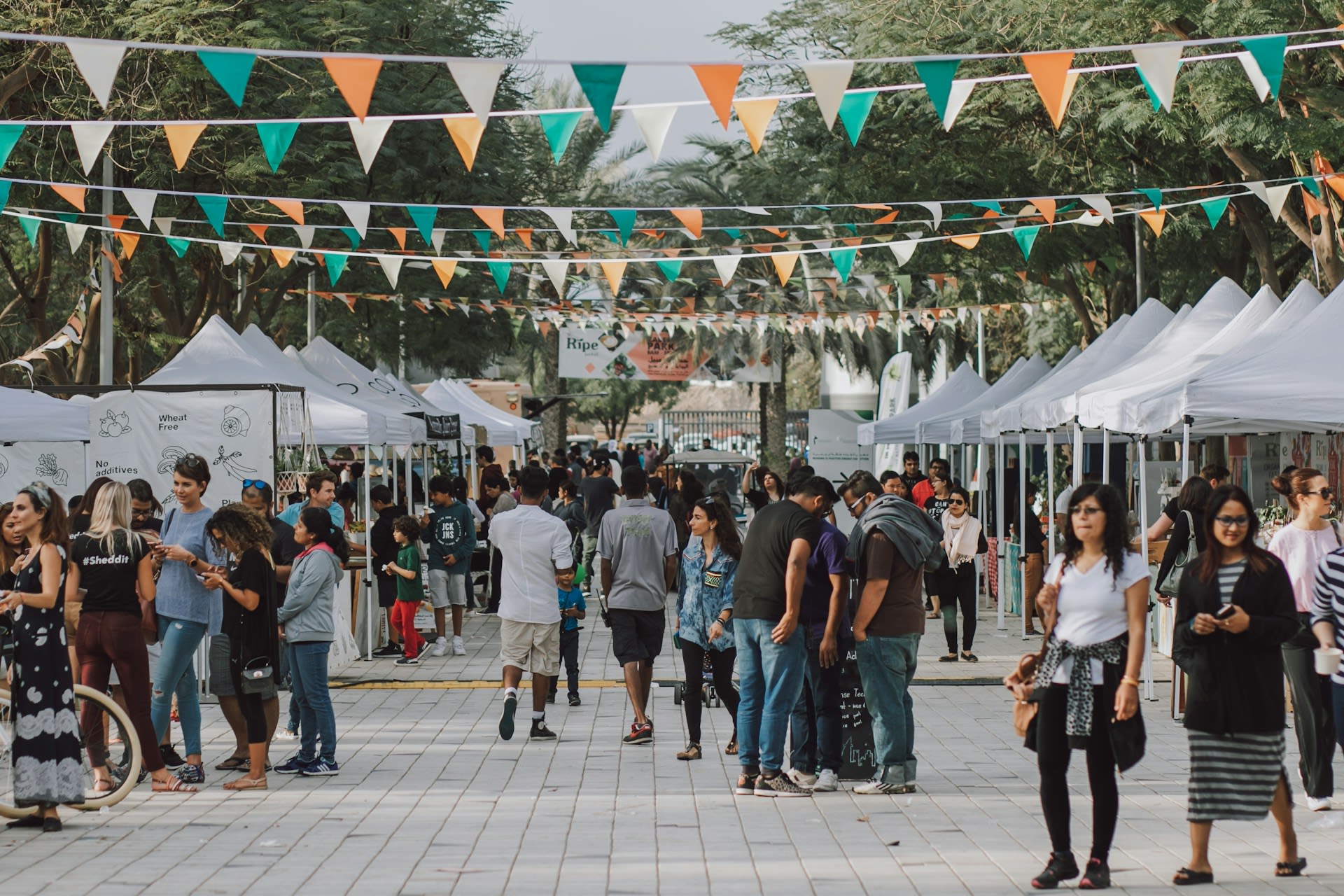
Everything is focused on flow and movement. Guests need clear pathways to the different areas and activations. There are natural transitions between different areas.
Flexible floor plans with lounge groupings and open networking spaces are becoming standard because they support this kind of movement naturally.
3. Lounge-Driven Networking Replacing Standing Crowds
The standing cocktail floor is fading.
It is inefficient. It is uncomfortable. It limits conversation depth.
Layouts are shifting toward intentional lounge environments.
Soft seating clusters.
Small-group configurations.
Spaces designed for actual conversation, not just passing interaction.
This aligns with a broader shift toward meaningful engagement over passive attendance. Guests stay longer when they are comfortable.
Conversations go deeper when people are not holding a drink and scanning the room.
In NYC, where events often skew high-energy and fast-paced, this shift is creating a noticeable difference.
The room slows down in the right way.
4. Multi-Purpose Spaces Instead of Single-Use Areas
Layouts used to assign one purpose per area. There was a stage, dining, and networking spaces. These were all dedicated spaces that were only meant for their singular use. That isn’t the case anymore.
Now, event planners are maximizing event layouts with multi-use spaces. The lounge area used during arrival can become a content space later. A networking zone becomes a breakout session. Space used for activations can transition into a social hub.
This approach lets event planners maximize space without it feeling cramped or overused. Lighting, furniture flexibility, and subtle layout shifts allow one space to serve multiple roles without a full reset.
5. Circular and In-the-Round Configurations Are Back
Multiple rows of front-facing chairs limit engagement and interaction. There’s an unspoken social hierarchy. There’s also an unavoidable distance for those sitting in the back.
Forward-thinking event planners are taking a new approach. They are setting up round stages with semi-circular seating. This layout brings more guests in and closer to the experience.
The number of barriers are reduced because more people are able to engage closer. Content feels more interactive.
6. Intentional Negative Space Is Being Designed In
It’s ok to have negative space. In fact, it’s essential for a quality event layout. This space used to be seen as wasted. Today’s top NYC event planners know that empty space serves several crucial purposes. It creates visual clarity, space for movement, and breathing room for guests.
The empty space makes the layout feel controlled and intentional. Without it, guests will feel cramped, and the space will feel chaotic.
7. Layouts Designed Around Data and Personalization
This is where things are getting more technical.
Layouts are starting to respond to attendee behavior.
Not just assumptions.
Smart badges.
AI-driven matchmaking.
Real-time engagement tracking.
These tools are influencing how spaces are designed and adjusted.
Planners can see where people gather.
Where they avoid.
Where they stay longer.
That data feeds back into layout decisions.
Personalization is no longer just content-based. It is spatial.
In large NYC events, this is becoming a competitive advantage.
The room adapts to the audience instead of forcing the audience to adapt to the room.
8. Non-Traditional Venues Are Forcing Better Layout Thinking
Event competition is fierce in NYC. Clients want to stand out, and that means using venue spaces that are not traditional “event venues”. While it creates a memorable experience, it’s also a challenge for event planners. Because these spaces were not originally intended for use as event spaces, they typically cannot accommodate a traditional event layout.
Restaurants, galleries, rooftops, and industrial spaces are all examples of this. Planners have to think more creatively about flow, zoning, and guest experience.
9. Wellness and Reset Zones Built Into Layouts
Mental health and physical wellness weren’t always a part of the conversation during event design. Now, it’s the standard. Clients are seeing the value in providing quiet spaces and low-stimulation areas. They give people the mental break they need to recenter themselves and then reengage with the event.
In NYC, where sensory overload is already part of the environment outside the venue, this matters even more.
10. Layouts Built for Content Without Disruption
An event’s layout needs to support the content being presented without taking away from it. The event’s layout and decor should also avoid feeling like a production set. Clean sightlines are a must. Natural backdrops make the space feel more organic and less like a photo shoot. The layout supports content, but it does not interrupt the experience.

Learn More About ABC at The Event Planner Expo
Layouts are no longer a background decision. They are one of the most visible indicators of how advanced a planner is. The shift clearly indicates that the best layouts support connection and movement without feeling forced.
If your layouts still start with where the stage goes, you are already behind in 2026., The Event Planner Expo 2026 is where these layout strategies are being applied, tested, and refined at the highest level.
Reserve your booth to The Event Planner Expo 2026 and see how top NYC planners are designing spaces that work as well as they look.