How to Craft Moments That Make Guests Feel Seen (Not Just Entertained)
You’re doing an “ok” just if you keep guests busy during an event. If you want to be a top NYC event planner, you will make guests feel understood. You need to look between the lines. Guests won’t come forward to say they feel understood. Instead, look at their actions. They will stay longer, share more openly, and be more engaged in the event’s activations. Being entertained is passive. Being truly seen is personal.
Start by Knowing Who’s Actually in the Room
You can’t show guests that you understand them if you don’t know who they are. Most event planners start with an image of a hypothetical guest in their mind. That’s fine for your marketing strategy, but it isn’t enough for your event experience planning.
You need to know the ins and outs of how your intended guests operate. Find out what kind of social energy they thrive in. Learn about their communication habits. Diving into their preferences and psyche will help you plan better.
When you approach event planning from a guest-centric perspective, you aren’t just layering details. You are crafting a unique, immersive experience shaped around what guests actually want.
Personal Touches Work Best When They’re Quiet
A common mistake marketers and event planners make is misunderstanding or misapplying personalization. It doesn’t have to be obvious and literal. Big name callouts. Over-branded swag. Hyper-custom everything.
The truth is that this is often the wrong way to go. It comes off as crass and in-your-face. It also disrupts the flow of the event.
Design for Conversation, Not Just Consumption
Just hiring generic entertainment will fill time during the event. Creating connection fulls the venue space and brings people in. As the event planner, this is how you create opportunities for natural interaction. Guests don’t want to feel forced.
Arrange seating to foster natural interaction among guests. Plan activations and activities that encourage communication. Give people a reason to talk to each other.
When guests feel like the environment supports conversation, they open up. And when people open up, the event becomes memorable for reasons that have nothing to do with production value.
Empower Staff to Be Human, Not Just Helpful
The event staff is often the unsung hero of the event. Guests interact with the staff much more than many event planners realize. If the staff isn’t on point, then it can bring down the entire event.
Encourage staff to be part of the guest experience. Empower them to take ownership of their roles. Teach them about logistics. Show them how to optimize their roles. When they are efficient in their job, they can mentally engage with guests and show their personality.
Event staff should make eye contact with guests. They should pay attention so they can anticipate needs before they are mentioned. These exchanges are microinteractions. They are subtle signals to event guests that they matter.
Anticipation Is Part of Feeling Seen
Feeling seen doesn’t start at check-in. It starts before guests ever arrive.
Clear, thoughtful communication ahead of the event tells guests you’ve considered their experience beyond the room itself. What to expect. How to prepare. What kind of energy the event will have. These details reduce anxiety and increase comfort.
When guests don’t have to guess what’s expected of them, they arrive more open. They’re less guarded. And that openness carries into how they engage once they’re inside.
Balance Big Moments With Small Delights
Big moments create excitement. Small delights create connection.
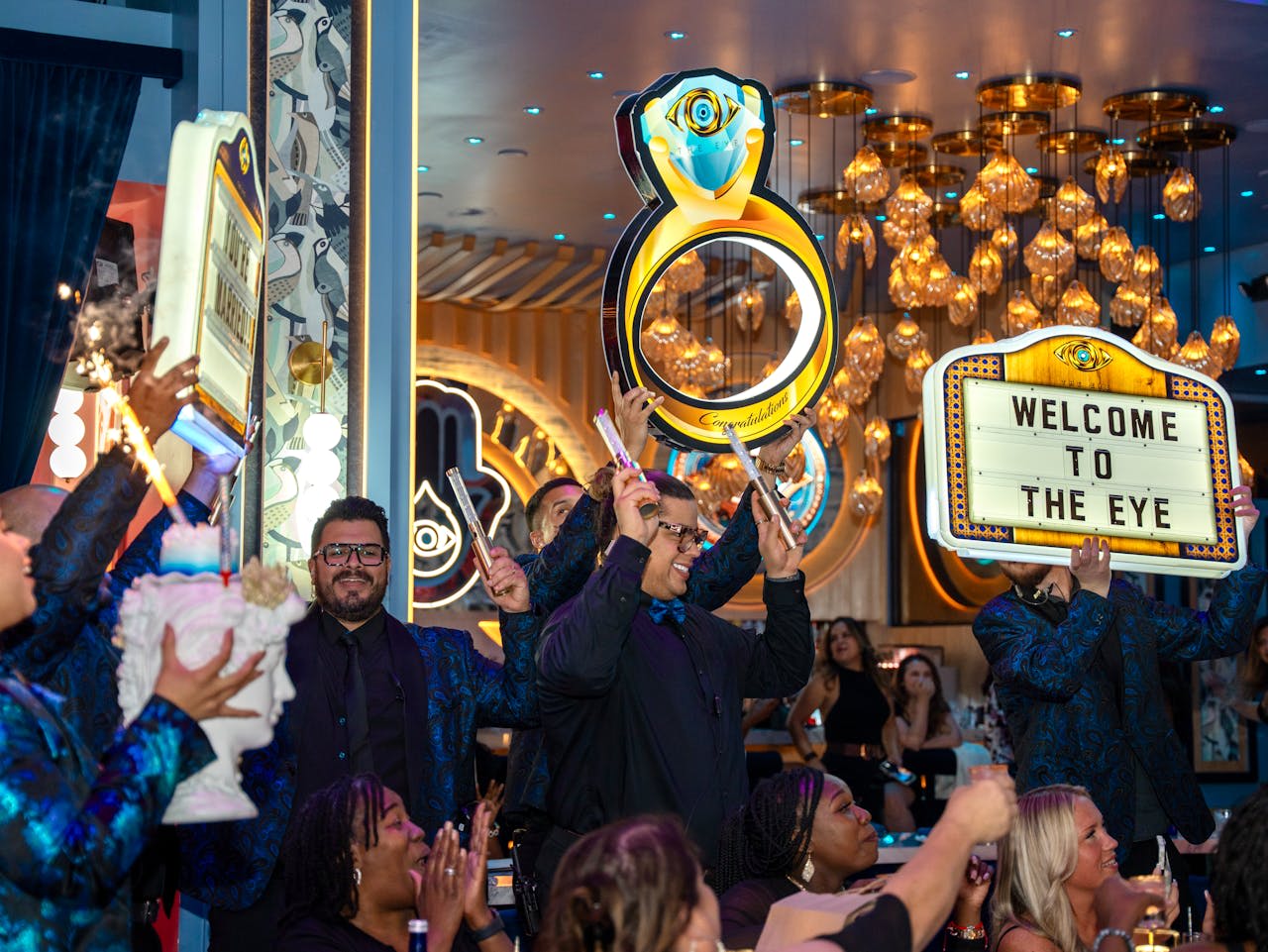
As an event planner, you don’t want to be known as the person who depends on spectacle. An event that is only one spectacle after another lacks substance and depth. It looks impressive on the surface. However, when you dig down, the event feels distant and cold.
You need to balance the big and bold moments with the quieter and more intimate ones. The big moments are needed to define the event and give it shape. The smaller moments are what give the event heart. Guests will talk about the big events afterward. It’s the little meaningful ones that they will remember.
Use the Senses to Create Emotional Memory
People remember how things felt more than how they looked. Sensory engagement plays a huge role in that.
Lighting that feels inviting instead of harsh. Music that supports conversation instead of overpowering it. Food that reflects the audience instead of defaulting to trends. Even subtle scent cues can influence how comfortable a space feels.
When multiple senses are aligned, guests relax. And when they relax, they engage more deeply. The experience stops feeling like something happening to them and starts feeling like something they’re part of.
Interaction Should Feel Optional, Not Mandatory
Forced interaction rarely makes people feel seen. It makes them feel put on the spot.
The most effective interactive elements are ones guests can opt into naturally. DIY stations. Live polls that don’t require public participation. Build-your-own experiences that let people engage at their own pace.
Choice is powerful. When guests feel in control of how they participate, they’re more likely to do so willingly. And willingness is what turns engagement into connection.
Comfort Is a Signal of Care
Show guests you care by making them feel comfortable. There are different types of comfort. Start with physical comfort. Help guests feel physically comfortable by designing the space so it is neither too crowded nor too open. Then, create places to sit and get off their feet.
Next, gives guests mental comfort. Have areas where guests can be in the middle of the action. Create other areas where guests can escape the chaos to find some peace and quiet away from the crowd.
As guests move about the event, they feel thought of, which shows respect and appreciation. It’s a subtle way of telling guests that you actually want them there.

Learn More About Making Guests Feel Seen
Making guests feel seen gives them a sense of comfort and belonging. It shows them that they matter more than just a number on an attendance sheet. Accomplishing this requires more than adding layers to an event. Take note of behaviors, communication style, and comfort preferences.
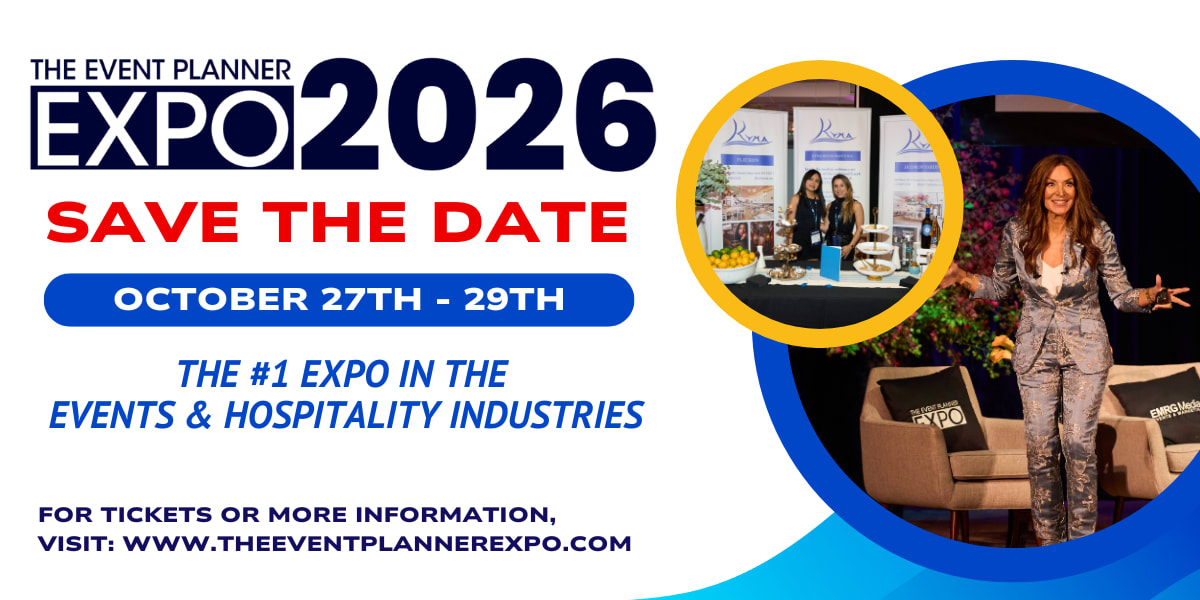
When you attend The Event Planner Expo 2026, you can connect with the top event planners in and around New York City. Learn how other planners weave personalization into their events. Spend time with planners who are building events people remember for how they felt, not just how they looked.
Get tickets to The Event Planner Expo 2026.