Why the Most Memorable Events Build Tension and Release
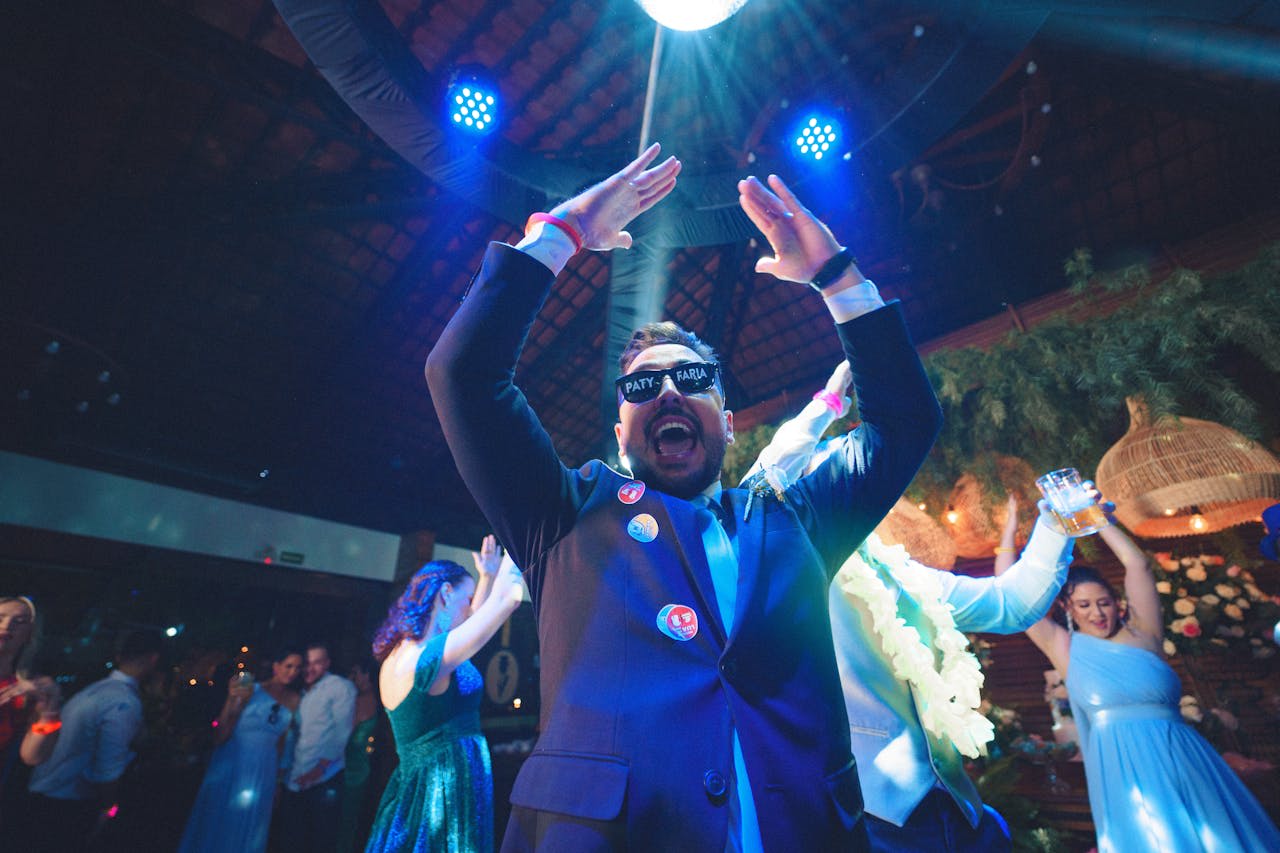
What are the events that stand out to you the most? These are the events that are still fresh in your mind, even years later. You don’t remember them for their seamless staging or perfect timeline. What you remember is the energy and feeling of the event. This isn’t accidental; it’s psychology.
Our Brains Are Wired for Emotional Arcs
The human brain is wired for stimulation to ebb and flow. If we experience constant high stimulation, it becomes exhausting. Loud music, fast pacing, and energy highs will eventually push people to check out.
Humans’ attention spans naturally fluctuate. There are moments when we lean in and are hyper-focused. Then, there are moments when our brains relax and become less focused. Part of this is our brains determining what is important and worth paying attention to.
If you don’t have ups and downs to your event, guests' brains don’t know what is important. It all blends together and passes as one big moment. Their brains never tag certain moments as memorable.
Tension Is What Creates Stakes in a Room
Tension doesn’t always mean something bad, like discomfort or stress. It could also mean something good, like a surprise is coming. It puts guests’ emotions on the line. Think of it as building unanswered questions.
As the event planner, it is your job to create that suspense. It needs to lead to a big reveal or surprise. You could have a countdown, a hold-the-beat moment in the music, or something that signals to the crowd a change is coming.
Anticipation Keeps Guests Engaged Even During Quiet Moments
One of the most powerful aspects of tension is that it keeps people present even when nothing obvious is happening.
When guests sense that something is building, they stay mentally engaged. They’re more willing to wait. More tolerant of pauses. Less likely to disengage or drift.
This is where planners can do a lot with very little. A shift in lighting. A change in music. A visual cue that something is about to happen. These don’t need explanation. They just need to signal progression.
Anticipation doesn’t require spectacle. It requires intention.
Release Is What Makes the Moment Land
If tension is the question, release is the answer.
The release is the payoff that tells the brain it was right to invest attention. It can feel like relief, joy, satisfaction, or even quiet resolution. What matters is that it resolves whatever was built.
This is why moments like music drops, keynote openings, collective reactions, or shared laughter feel so powerful. They’re not just entertaining. They’re emotionally earned.
Without release, tension turns into frustration. With it, the experience feels complete.
Contrast Is What Makes Both Sides Stronger
A release only feels meaningful because of what came before it. And tension only feels compelling if there’s a release waiting on the other side.
This contrast is what sharpens memory.
Think about how people talk about events afterward. They don’t describe every moment. They describe the build-up and the payoff. The quiet before the room erupted. The pause before the reveal. The moment everyone finally relaxed.
Those contrasts create emotional bookmarks. They’re what guests replay later when they think back on the experience.
Events That Ignore This Rhythm Often Feel Flat
When events don’t build tension and release, they tend to fall into one of two traps.
Either everything is turned up to eleven, which leads to fatigue, or everything is paced evenly, which leads to disengagement. In both cases, guests leave without a strong emotional takeaway.
The event might have been pleasant. It might have been polished. But it doesn’t stick.
And that’s usually not a production issue. It’s a pacing issue.
You See This Pattern Everywhere Because It Works
This rhythm isn’t unique to events. It’s everywhere because it mirrors how humans process experience.
In music, verses build tension and choruses release it. In film, conflict builds until it resolves. In everyday life, anticipation leads to relief. Even small moments follow this pattern, like waiting for news and then finally hearing it.
Events that tap into this don’t feel manipulative. They feel natural. Guests recognize the rhythm instinctively, even if they don’t consciously name it.
Release Doesn’t Always Have to Be Loud
A key point that event planners sometimes forget is that an energy release doesn’t have to be huge. Instead of being explosive, it could just bring the event to a close.
Quiet moments can create a collective exhale for the event. It’s a moment of peace and reflection. Use it to create a sense of closure for guests.
This Is Why Events That “Feel Good” Are Often Hard to Explain
It’s hard for guests to pinpoint what made them feel good at an event because itis a combination of things. Typically, guests are responding to an emotional feeling they had while at the event.
Guests would have felt the energy building at the beginning of the event. They experience the ultimate high when the energy is at its strongest. Then, they experience the release of energy.
Their brains are wired to remember the moments because they perceived it as a memorable experiences. The event followed the pattern we are used to.

Learn More About Planning Memorable Events
As it becomes harder to impress NYC event guests, event planners are challenged to bemore creative. This doesn’t mean jamming more entertainment and activations into the timeline. It doesn’t mean scheduling as many over-the-top surprises as possible.
Use human nature to your advantage by making an event more memorable. Psychology and emotional intelligence can help you create more impactful experiences for your guests.
Learn more tricks like this one by exhibiting at The Event Planner Expo 2026. It’s where those conversations happen in real rooms, not just in theory.
Reserve your booth to The Event Planner Expo 2026.