Networking in the NYC Event Industry That Actually Builds Business

NYC Isn’t Just a Market — It’s an Ecosystem
The NYC event industry runs on relationships and in-person interactions, not cold emails, creating an event industry ecosystem — and knowing how to navigate it is half the game. Networking in NYC is fast-paced with tight circles and big opportunities. Because NYC is a hub for the event industry, culture, media, and more, it creates an expansive, hyper-competitive environment. Here are some ways you can actually build business by networking in NYC.
Understand the NYC Event Landscape Before You Network
The event planning industry has to master the ins and outs of this unique NYC landscape. If you don’t understand the players, the venues, or the culture, you’ll network in all the wrong places.
There are five key categories of NYC event professionals: corporate planners, social planners, agencies, venues, and production teams.
Though each event professional group networks to build relationships, their networking contacts and goals differ based on their job function. From securing business to coordinating logistics, curating brand reputation, and promoting attendee relationships, event industry professionals should be smart about how they network.
These groups should connect at professional associations, industry events, venue open houses, major convention centers, supplier showcases, VIP nights, and by partnering with other organizations.
By understanding who to network with and where to network, event planners can build relationships that actually grow their business.
Where Serious NYC Event Pros Actually Meet
Skip the random meetups — go where high-value conversations actually happen. In the NYC event community, you have lots of options.
-
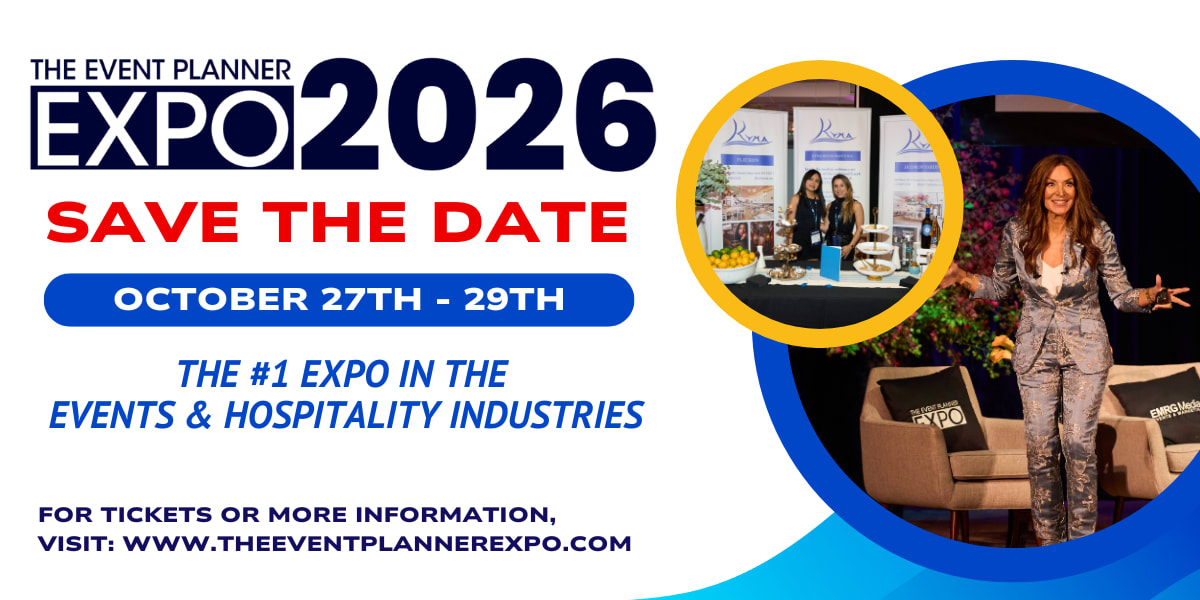
- Industry conferences and events like The Event Planner Expo are excellent opportunities to make event industry connections face-to-face.
- Venue open houses: Event locations hold open houses from time to time, which are the perfect opportunities to network with other event planners. Consider other open houses, such as boutique hotels, A-list restaurants, and bars with event spaces.
- Supplier showcases: Showcases like IMEX America or local supplier showcases provide a chance to meet vendors and other event planners. Not only can you build relationships at supplier showcases, but you can also see what other services they offer, which can lead to future collaborations.
- Association events: Look out for workshops, seminars, or panel discussions for focused conversations. Be mindful to find events where decision-makers are present, though, so you don’t waste your time.
- VIP networking nights: Look for VIP event-planning, marketing, and hospitality networking nights to connect with other professionals in the event-planning industry (and you can explore new venues at the same time).
Build a Networking Strategy, Not Random Contacts
NYC rewards intention — know who you’re trying to meet and why. Networking for event planners means being strategic about who you approach. More contacts don’t necessarily mean you're actually building your business. It’s important to seek out those who can help with event partnerships in NYC.
Build relationships with others in the industry — venue contacts, entertainment partners, planners, caterers, and producers — for referrals and new opportunities that grow your business.
Identify revenue-driving connections by attending targeted industry events where decision-makers are present. Focus your energy on fewer, high-quality contacts rather than collecting random ones. Leverage your existing happy clients for referrals, and research social media and professional apps like LinkedIn to find potential contacts.
Master the 30-Second NYC Pitch (Your “Why Me” Statement)
In this city, you have 10 seconds to sound legit — and 30 seconds to get remembered.
Your pitch must include your name and your job. “Hi, I’m [name], and I’m an event planner.” Address a common pain point: “I help people and companies that are overwhelmed by the stress of planning an event in NYC..." And how you fix the pain point, “by organizing experiences that leave a lasting impression, so your only job is to relax and enjoy.”
NYC event professionals actually care about hearing how you are going to solve their pain points, not just about yourself, and how you will be a reliable contact. Be sure to avoid generic, jargon, or “I do everything” energy.
Follow-Up That Doesn’t Feel Desperate
NYC is busy — the fortune here is in the follow-up, not the handshake.
Follow up after networking quickly and thoughtfully to grow your event industry relationships. Send a quick email or message on LinkedIn that references something you discussed when you met.
Pivot conversations into partnerships by finding common interests and helping to solve a pain point of theirs. After you’ve built a small rapport, you can ask for a meeting to discuss a future project or a specific topic you have in common.
Schedule regular touchpoints to remain top-of-mind—focus on meaningful conversations, not spam. Follow-ups, without the “pick me” energy, open doors and build collaborations in NYC.
Leverage Social as a Power Networking Tool
In NYC, your online presence speaks before you ever walk into a room.
Utilize social media as a networking tool. Instagram is a great platform for event planners in NYC to share behind-the-scenes content, showcase jaw-dropping event photos, and drive engagement with hashtags, countdowns, and polls.
LinkedIn for event pros is more about sharing industry articles and professional thoughts. Comment on others’ articles, or share one you’ve found yourself with your thoughts about it.
Whatever you post, keep your branding consistent. Tag vendors and use industry tags—like #NYCEventPlanner.
The event industry in New York City is highly competitive. To prove that you’re the real deal, highlight testimonials from previous clients, write case studies on an obstacle you recently overcame, and include links to any media mentions on all platforms.
The NYC “Collab Culture” — Why Boosting Others Boosts You
People hire who they trust — and nothing builds trust faster than being known as a connector.
Event partnerships in NYC aren’t easy, but when they happen, pay it forward. Introduce contacts, tag vendors, and spotlight partners. Sharing the love shows authenticity, proves credibility, and builds trust in the industry.
This generosity is the industry power move because it quickly builds people’s trust in you and strengthens your existing relationships, especially in the hyper-competitive NYC event community.
Another helpful tool in your networking arsenal is to build mutual referrals. Start by giving referrals first yourself. If you enjoyed working with another event planner or vendor, share their info. Event pros can also offer quick, easy favors to help each other out or collaborate on special projects or tasks. This shows colleagues you're a trusted expert.
Avoid These NYC Networking Mistakes
The stakes are higher here — and the wrong moves spread fast.
Overpitching yourself is a quick way to seem disingenuous and desperate to those you’re networking with, so feel free to talk about yourself in an authentic way and be sure to listen more than you speak.
Acting transactionally rather than making genuine connections is another no-no in networking for event planners in NYC. Be sure to act collaboratively instead of competitively.
Show up prepared. Know your purpose for attending the networking event, and practice your “Why me” speech ahead of time. By being prepared, you can eliminate the guesswork and make more meaningful connections in the event planning industry in New York City.
In the same vein, research those you may run into at the event first. Look up attendees or speakers who may be at the event, and consider what you might want to discuss with them beforehand.
Never burn bridges with venues. NYC venues are crucial. Even if things go wrong or a venue isn’t right now, maintain good relationships — they’re vital to the NYC event ecosystem.
Networking That Turns Into Bookings
When you combine intention, consistency, and presence, networking stops feeling like work and starts functioning like your sales engine.
Real NYC pros turn conversations into contracts by genuinely listening, building rapport, and addressing industry pain points. Quick follow-ups and thoughtful touchpoints help build trust, leading to more referrals and bookings.
Long-term partnerships are the backbone of successful event businesses. Partnerships can give you access to new clients, more opportunities for collaboration, and, in turn, more bookings.
Where the Best NYC Event Networking Happens All Year
If you want to build real relationships with the people shaping the NYC event world, there’s one place you have to be for more face-to-face access to event planners searching for partners.
Reserve your booth for The Event Planner Expo 2026 and get in front of the industry leaders who book real business.