Why Beverage Flow Matters More Than Drink Selection in Events 2026
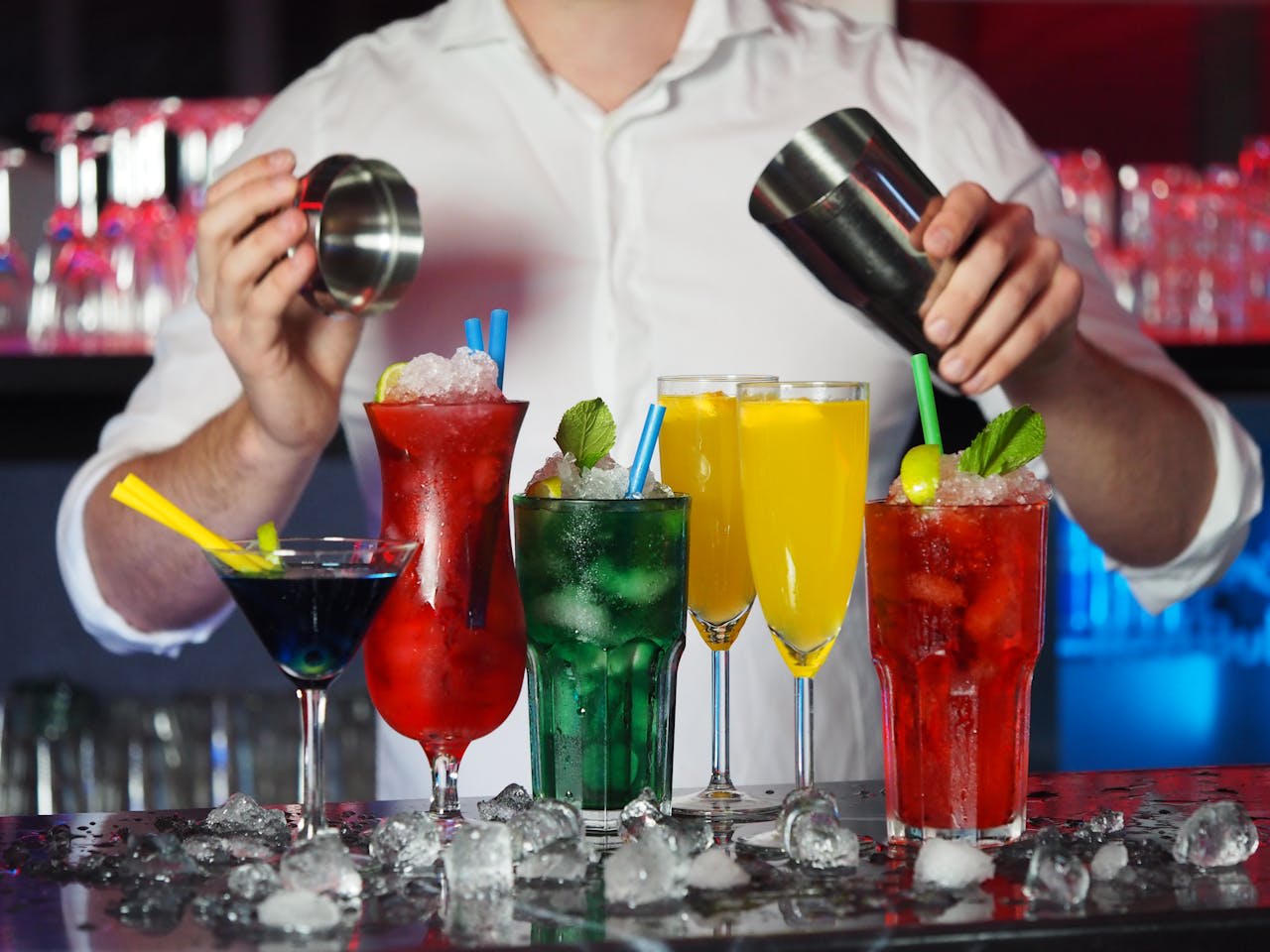
There was a time when a stacked bar menu felt like a win. Signature cocktails, ten variations of spritzes, custom infusions, something smoked, something frozen. It looked impressive on paper and even better on a menu board.
But here’s what’s actually happening at events now. Guests walk up, see a line, hesitate for a second, and either wait it out or skip the drink altogether. Either way, the energy drops. Flow is what keeps the room alive.
Fast Service Keeps Energy Up Longer
You can feel it instantly when a bar setup is working. People grab a drink without thinking twice and slide right back into conversations, activations, or whatever pulled them there in the first place.
When it’s not working, everything slows down. Conversations pause. Guests start checking their phones. The momentum you built in the room starts to flatten out because too many people are stuck waiting instead of participating.
That’s why speed has taken priority over novelty. Guests would rather have a solid, well-made drink in their hand quickly than stand in line for something complicated.
If you’re designing with flow in mind, you start asking different questions. Where are the bottlenecks? How many people can be served at once? What moments in the event will drive the highest demand?
Answer those well, and the entire experience feels smoother without anyone having to think about why.
The Best Bars Don’t Look Like Bars Anymore
One of the biggest event planning shifts happening right now is how beverage stations are laid out.
The single, centralized bar is losing ground to smaller, distributed setups that keep people moving. Instead of one long line, you have multiple access points that feel built into the event rather than added onto it.
These setups don’t need to be complicated. They just need to be intentional. A few well-placed stations can completely change how guests move through a space and how quickly they’re able to grab what they need.
Think about how this plays out in real time. Guests arrive and immediately see options around them. They don’t have to scan the room or ask where the bar is. It’s already part of the environment.
When access is that easy, everything else starts to flow better, too.
Smaller Menus Move Faster and Feel Better
There’s a misconception that more options create a better experience. In reality, they often slow things down. A tighter menu gives bartenders more speed and consistency. It reduces hesitation at the point of order. It keeps the line moving without sacrificing quality.
You’re also seeing more planners lean into drinks that are easy to execute at scale. Pre-batched cocktails, elevated ready-to-drink options, and well-designed non-alcoholic choices all support faster service while still feeling intentional.
Guests don’t need ten decisions to make. They need a few great options that are easy to grab and enjoy.
Placement Is Doing More Work Than the Menu
Where drinks are located matters just as much as what’s being served. When bars are placed based on convenience instead of flow, you end up with uneven traffic. One area gets congested while others sit underused. Guests cluster instead of circulating.
Strong layouts think about movement first. Drinks show up where people naturally gather, where transitions happen, and where energy needs to stay high.
That might mean a station near the entrance to set the tone early, another near key activations to keep people engaged, and additional access points that prevent crowding as the event fills out.
When placement is right, guests don’t think about getting a drink. They just do it.
Tech Is Quietly Fixing the Bottlenecks
A lot of the smartest beverage programs right now are using technology behind the scenes to keep things running smoothly.
Inventory tracking, demand forecasting, and even simple data from past events help planners anticipate where pressure points will show up. That means fewer surprises and fewer moments where a line suddenly builds out of nowhere.
On the guest side, the experience still feels effortless. They’re not thinking about systems or logistics. They’re just noticing that things are moving quickly and consistently.
That kind of consistency builds trust in the event as a whole.
Guests Are Drinking Differently, and It Supports Flow
Drinking habits have shifted, and that’s working in your favor.
More guests are choosing lighter options, non-alcoholic drinks, or something they can sip without overthinking. They’re not standing at the bar asking for complex builds or custom modifications.
They want something refreshing, something familiar with a twist, or something that fits how they already drink day to day.
That makes it easier to design menus that move quickly without feeling basic. You can focus on quality, presentation, and accessibility instead of complexity.
The result is a beverage program that feels current and efficient at the same time.
The Experience Lives in the Movement, Not the Menu
At a certain level, guests won’t remember exactly what they drank. They’ll remember how the event felt.
Did everything move easily? Did they spend more time waiting or more time engaging? Did the energy stay consistent from start to finish?
Beverage flow plays a bigger role in that than most planners realize. It shapes how people interact, how long they stay in certain areas, and how connected they feel to what’s happening around them.
When drinks are easy to access, the event feels effortless. And effortless is what people associate with well-executed, high-level planning.
Try This If You Want to Instantly Improve Your Next Event
If you’re looking for a quick way to upgrade your beverage strategy without overhauling everything, start here.
Rethink how many access points you actually need based on your guest count and layout. Look at your menu and cut anything that slows down service without adding real value. Walk through your space as if you’re a guest and pay attention to where you’d naturally go for a drink.
Even small adjustments in these areas can completely change how the event feels in real time.
Want to Design Events That Feel Effortless From Start to Finish
The planners who stand out right now are paying attention to details like this. They’re not just designing how events look. They’re designing how they move.
If you want to stay ahead of where event experiences are heading, you need to be in the room where these conversations are happening.
Reserve your high-vis booth at The Event Planner Expo 2026 and showcase how your approach creates seamless, high-impact experiences. This is where the planners who think differently connect, collaborate, and build what’s next.