How Experienced Event Planners Design Events That Don’t Need Constant Managing

Events that run smoothly aren’t luck. They’re built that way before the first guest arrives, and the difference shows up in how much is decided early versus how much gets figured out on the fly. When structure, timing, and responsibilities are clear ahead of time, the event doesn’t rely on constant intervention. It moves the way it was designed to.
Build a Timeline That Leaves No Room for Guesswork
A timeline only works when it removes uncertainty. Every segment needs clear ownership, exact timing, and a defined location so there’s no hesitation about what happens next. Transitions deserve just as much attention as main moments because that’s where delays tend to stack. Walking through the full sequence in advance helps expose gaps, overlaps, or unrealistic timing before they become real problems. When the timeline is solid, the team isn’t reacting—they’re executing.
Test the Moments That Tend to Break Under Pressure
Certain parts of an event carry more risk than others, and those are the areas that need to be walked through in advance. Tech cues, speaker handoffs, check-in flow, and room resets all benefit from being tested in real conditions. A proper walkthrough highlights where communication breaks down, or timing feels tight, and those adjustments are far easier to make before the event begins. Once those moments are rehearsed, they stop creating stress and start running predictably.
Set Up Systems That Handle the Repetitive Work
Events slow down when teams are stuck repeating the same information or solving the same problems throughout the day. Registration confirmations, reminders, schedule updates, and guest communication should already be in motion so attendees aren’t asking basic questions and staff aren’t scrambling to respond. Check-in is one of the most visible examples—when entry is clear and fast, it sets the tone immediately. When systems are in place, the event runs with fewer interruptions.
Work With Partners Who Don’t Need Hand-Holding
The strength of the vendor team directly impacts how much oversight is required during the event. Experienced vendors understand expectations, communicate clearly, and handle issues without waiting for direction. That level of reliability reduces the need to monitor every detail. Venue selection plays into this as well. Spaces with experienced staff and built-in capabilities remove layers of coordination and make execution more consistent from the start.
Build Time Into the Schedule Where It Counts
Even well-planned events encounter small delays, so the schedule needs room to absorb them. Transitions should include breathing space, and key moments benefit from extra time leading into them, so delays don’t cascade. Internal timing can also be adjusted to create a buffer without affecting the guest-facing schedule. When time is structured this way, the event continues to move even when something shifts slightly.
Assign Ownership So Decisions Don’t Stall
Clear responsibility keeps everything moving. Each team member needs to know exactly what they own and what decisions they can make without escalation. When that’s defined ahead of time, issues are handled immediately instead of being passed around or delayed. This reduces bottlenecks and keeps momentum consistent across the event. Oversight still exists, but it doesn’t slow things down.
Make Navigation Obvious Without Needing Instructions
The way a guest moves through an event should feel natural from the moment they arrive. Entry points, key areas, and transitions should be placed with flow in mind so people don’t have to stop and ask where to go. Clear signage and logical layout reduce confusion and keep attention on the experience instead of logistics. When navigation works, the event feels more polished without additional effort.
Keep Oversight Centralized Without Slowing Things Down
A central point of coordination allows the team to stay aligned without constant movement across the floor. Timing, vendor performance, and guest flow can all be monitored from one place, with communication staying focused on key moments. This approach keeps the event on track while avoiding unnecessary interference. The structure holds, and the team supports it as needed.
Want to Build Events That Feel Controlled Without Looking Controlled
Events that feel effortless are built through clarity, structure, and strong decisions made early. That level of execution doesn’t happen in isolation—it comes from being around people who operate the same way.
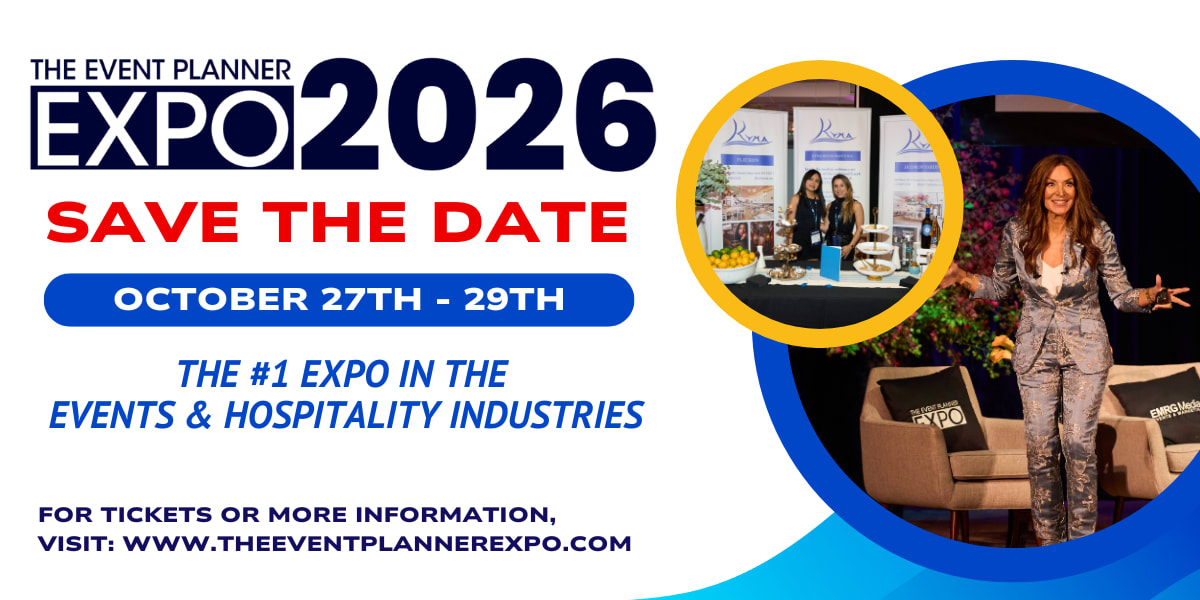
Reserve your booth at The Event Planner Expo 2026 and put your process in front of decision-makers who value precision, reliability, and high-level execution. This is where planners who take their craft seriously get seen and where better opportunities start.