The Difference Between Decorative Design and Functional Design
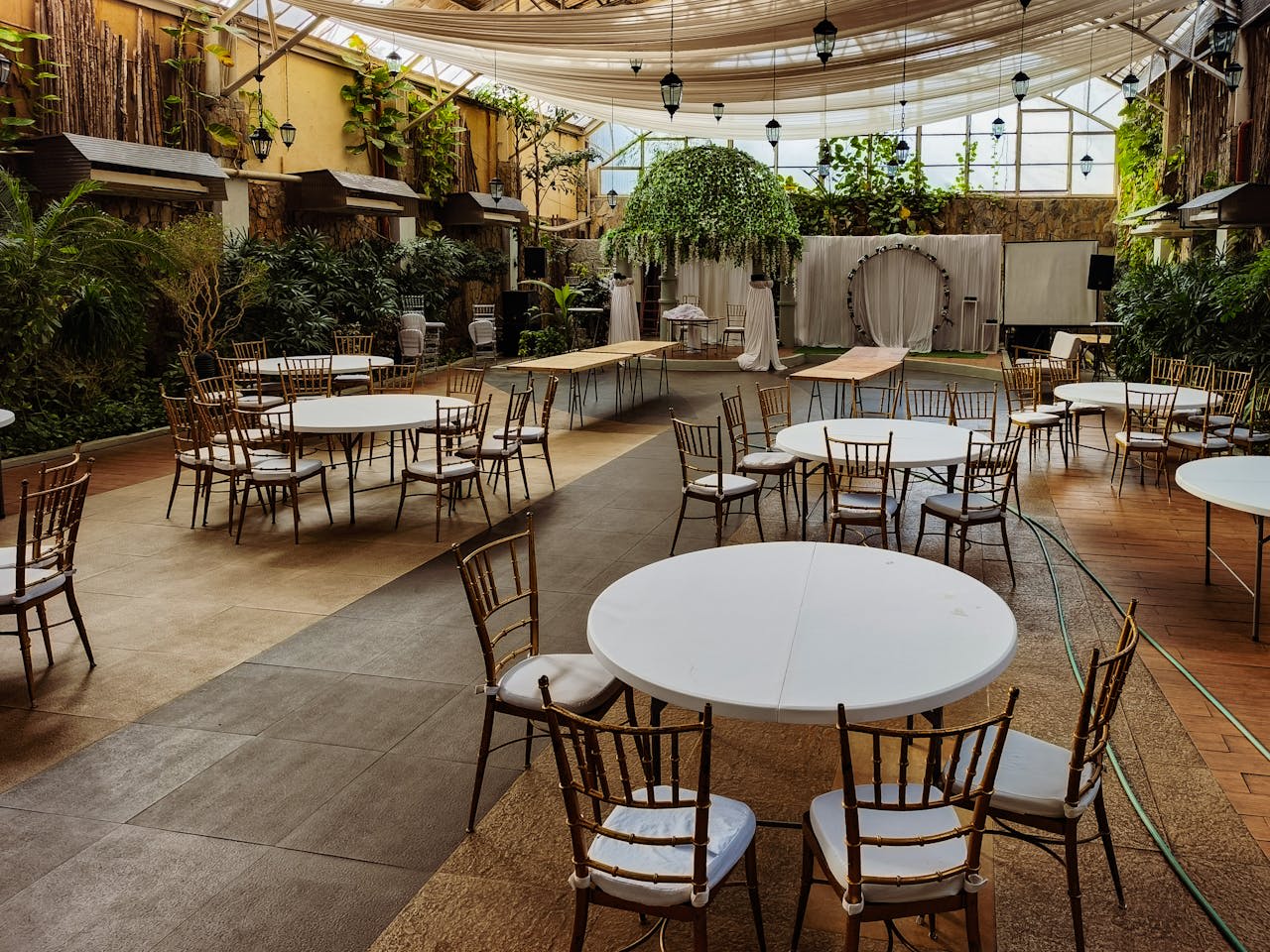
There are events that look impressive, and then there are events that actually work. Clients want results, but they also want their guests to be impressed. Top NYC event planners know the difference between decorative and functional design. They know how to shift between these two to be ahead of event production trends.
Decorative Design Is Built for Visual Impact
Decorative design is what guests see. It’s the florals, the installations, material textures, and color palettes. The decorations are what people first notice when they walk in the door. It’s also what will photograph well when guests record their experience at the event.
While all of this is important, it’s not the only thing to think about. Decorative doesn’t contribute functionally to the event. It doesn’t tell guests where to go. It doesn’t help with flow or energy. Its very nature of being surface-level means it does nothing to sustain engagement beyond the initial interaction.
Functional Design Is Built for Behavior
Functional design focuses on what the room needs to do. It’s less about looks and more about performance. There are how guests move about the venue, where they gather, and what attracts attention.
The result is a space that guides guests without needing to manage them directly.
The Tension Between the Two
The challenge is not to focus on one or the other. Decorative design often dominates early conversations because it is easier to visualize. Clients react to it quickly. Functional design requires more explanation. It is less visible upfront. It shows up during execution.
An impressive decorative design could be approved because a client likes the way it looks. However, it may not support how the event needs to function. That means it will fall short of the client’s needs and ultimately be a disappointment.
The strongest planners are bridging this gap earlier. They are reframing discussions around experience, not just visuals.
Where Decorative Design Falls Short in 2026
NYC is one of the most competitive markets in the world. This is especially true for event planners, where guests have seen and experienced it all. A purely decorative design will look nice, but ultimately be forgettable. Visual over-saturation means that large installations, branded activations, and layered decor are nothing new.
Decorative design without functional support starts to feel predictable. They do not guarantee engagement. Adding more decor does not create more value past a certain point.
How Functional Design Elevates Decorative Elements
Functional design does not replace decorative design. It gives the decorative elements a purpose. Move a decorative floral arrangement to a place where guests will naturally gather. A color choice becomes meaningful when it supports the overall environment rather than competing with it.
Layout Is Where the Difference Shows First
If you want to see whether a design is decorative or functional, look at the layout. Decorative layouts prioritize symmetry and visual balance. Functional layouts prioritize flow.
In NYC venues, where layouts are rarely straightforward, this becomes even more important. A visually balanced layout can still create bottlenecks. A functional layout may look less perfect on paper, but it performs better in real time.
Lighting Reveals the Intent
Lighting is one of the clearest indicators of design intent.
Decorative lighting highlights objects.
Functional lighting shapes behavior.
It directs attention.
It signals transitions.
It creates hierarchy within the space.
A room can have beautiful lighting and still feel flat if it is not being used intentionally.
In 2026, lighting is increasingly being treated as infrastructure.
It is not supporting design. It is defining it.
Subtle changes in lighting can reset a room without interruption.
That level of control is something decorative elements cannot provide on their own.
The Impact on Guest Experience
Guests do not separate design into categories.
They respond to how the event feels.
A decorative-first event often creates a strong arrival moment and then fades.
A functional-first event builds and maintains engagement.
Guests stay longer.
They interact more.
They remember more.
This is where the difference becomes measurable.
Not in how the room looks at one point in time, but in how the experience holds from start to finish.
It also affects how guests move between moments.
If transitions feel natural, the event feels seamless.
If they feel forced, the experience breaks.
Function controls those transitions.
Why Clients Are Starting to Notice
Clients are becoming more aware of the distinction between decorative and functional design. They don’t know the specifics or the theories. They just know the outcome. They notice whether guests are immediately impressed by the event’s design. They also know whether the event flow smoothly or not.
They may not ask for functional design directly, but they expect the results it produces. They want every element to contribute. Decorative elements that do not support the experience are harder to justify
Learn More About Decorative and Functional Design at The Event Planner Expo
The difference between decorative and functional design is becoming more important because expectations are rising. Decorative design will always have a place. However, it’s the functional design that holds everything together.
If this is how you are thinking about event production moving into 2026, The Event Planner Expo 2026 is where these design conversations are happening at a higher level.
Reserve your booth to The Event Planner Expo 2026 and connect with planners who are building events that perform as well as they present.