Why Event Design Is Becoming More Architectural
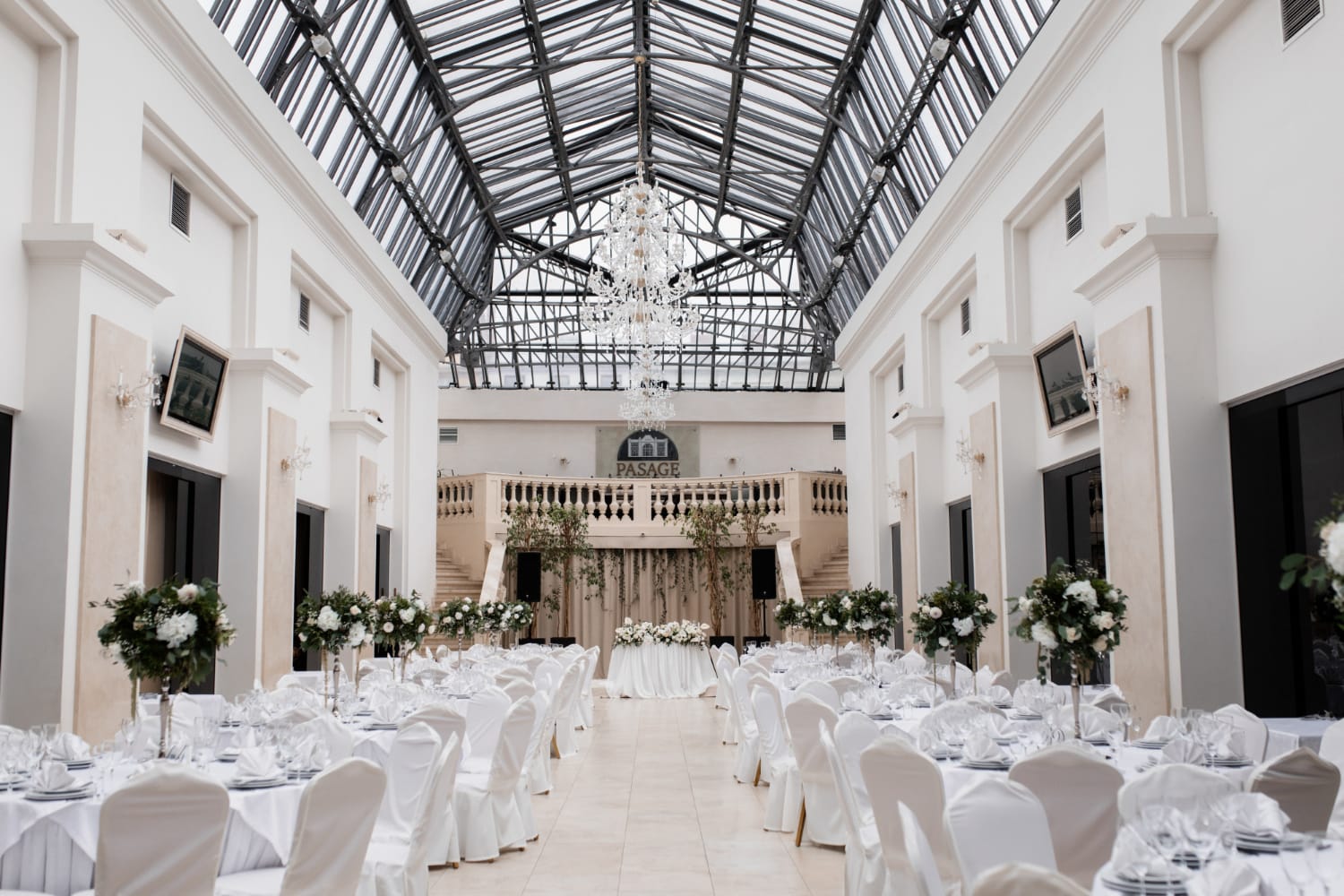
There is a noticeable shift happening across high-level NYC events. Event design is no longer being treated as decoration. It’s being integrated into the venue's structure. This is a new approach for event planners when they think about space, flow, and guest experience.
Design Is Moving From Surface to Structure
For years, event planners focused on how event decor looked. They thought about florals, installations, and branding. The problem is that these elements existed in the space, but didn’t contribute to the experience.
Modern event planners take a different approach. They want decor to have a purpose. It needs to contribute to the space in a meaningful way. Instead of asking what should fill the space, planners are asking how the space should behave.
The Influence of NYC Venues
New York City does not offer many blank canvases. There are the visually stunning historic buildings. Then there are the multi-level venues. Rooftops are available. We can’t forget the unusual venues whose footprint and interior design have evolved over the decades.
For a long time, event planners had to overcome the challenges these buildings presented. These days, top event planners are working with these buildings, not against them.
Columns become anchors for layout. Levels become natural zoning.
Existing materials inform the design direction. This creates environments that feel integrated instead of imposed.
Flow Is Now the Primary Design Priority
Event design follows the example set by architectural design. They are focused on movement and flow. Stop asking where things should be placed. Start asking how people will move around and interact with the design.
There needs to be clear pathways and intentional transitions. Visually defined zones that also connect logically. When done well, the flow feels natural and effortless.
The design shouldn’t force guests to hesitate or backtrack. It shouldn’t force them to ask for directions or guidance.
Zoning Is Replacing Open Layouts
Open layouts used to be the default.
One large space.
Everything visible.
Everything accessible.
It created scale. It also created confusion.
Architectural thinking introduces zoning.
Spaces are defined without being closed off.
A networking area feels distinct from a content area.
A bar zone feels separate from a lounge space.
A stage environment holds attention without competing with surrounding activity.
This is not about adding walls.
It is about creating purpose within the space.
Lighting, furniture, and spatial arrangement are doing that work.
In NYC venues, where physical separation is often limited, this approach is critical.
Vertical Thinking Is Back
Most event design has focused on what happens at eye level.
Tables.
Seating.
Installations placed within reach.
Architectural design reintroduces verticality.
Overhead elements.
Layered lighting.
Height variation across the room.
This creates depth.
It also changes how guests perceive the space.
A room with vertical variation feels larger.
It feels more considered.
It feels more premium.
In NYC, where square footage is often limited, using height effectively expands the experience without increasing footprint.
Materials Are Being Used More Intentionally
Superficial styling relies on making a visual impact. Layered materials depend on. Architectural design takes this a step further. It requires fewer materials and more confident choices.
Instead of combining everything and taking a more-is-better approach, planners take a purposeful approach. Material choices are made with a bigger perspective. Wood adds warmth. Metal adds structure. Fabric adds an element of softness.
Different elements work together to create a full experience. They also work together to elevate the experience. For high-end events, this shift is noticeable.
Lighting Is Acting as Infrastructure
For top NYC event planners, lighting is no longer an afterthought. It’s not good enough to add a few flashing colored lights. Modern lighting design uses light to enhance the architecture of the venue space.
Lighting can help define where guests should and should not go. It can highlight pathways. It can establish a hierarchy of where you want people to focus. A well-designed lighting plan can replace physical elements entirely.
The Role of Restraint in Architectural Design
Architectural environments rely on control.
Not everything is emphasized at once.
Not every surface is activated.
This is where restraint becomes essential.
A clean line carries more impact than a cluttered one.
A single focal point holds attention better than multiple competing elements.
Event design is adopting this mindset.
Editing is becoming as important as creation.
If something does not support the structure of the experience, it is removed.
This is what separates spaces that feel premium from ones that feel busy.
Why Clients Are Responding to This Shift
Clients are becoming more design-aware. They are being exposed to innovative designs. Sometimes they land well, and other times they don’t. That experience means they are coming to event planners with more knowledge and higher expectations.
Architectural event design aligns more closely with what clients experience elsewhere. It feels familiar in the right way. It also communicates value differently. Instead of showing effort through volume, it shows intention through precision. It reads more premium, satisfying the client’s demands.

Learn More About Architectural Event Design at The Event Planner Expo
Event design has become the foundation of event production. This shift is defining how high-level events look and feel. Spaces are designed to impress and be functional. In NYC, where the standard is constantly being raised, this approach is setting the tone for what comes next.
Events that start with how the space should function, you are aligned with 2026. If this is how you are thinking about event production moving into 2026, The Event Planner Expo 2026 is where these design conversations are happening at a deeper level.
Reserve your exhibitor booth at The Event Planner Expo 2026 and position your brand alongside planners who are building event environments with the same level of intention as the spaces they are inspired by.