Corporate Event Trends: Why Guests Follow Cues More Than Schedules
If you’ve ever spent weeks building out a perfectly timed corporate event agenda, only to watch people ignore half of it, you already know this shift is real.
Schedules still exist, but they’re not what’s driving behavior anymore. Guests aren’t moving because the clock says 2:15. They’re moving because something in the room is pulling them there.
That’s the difference. Flow is being shaped by what people see, feel, and notice in real time, not just what’s printed in a program.
People Want Control Over How They Move Through the Event
Corporate attendees aren’t showing up to be managed all day. They’re showing up to get something out of it, and that looks different for everyone in the room.
Some want content. Some want connections. Some are there to be seen. Locking everyone into the same rigid sequence creates friction, especially in a city like New York, where people are used to moving at their own pace.
When events allow for choice, engagement goes up. Guests start deciding where they spend their time instead of checking their watch and waiting for the next session to start. That shift alone changes the tone of the entire event.
The Room Is Doing More Direction Than the Schedule
Most guests aren’t studying an agenda once they’re inside. They’re scanning the room.
Where are people gathering? What looks active? Where does it feel easy to step in?
That’s where environmental cues take over. Layout, signage, and spacing quietly guide movement without needing constant announcements. If a space looks open and active, people move toward it. If it feels closed off or unclear, they hesitate.
This is where a lot of corporate events fall short. Everything is technically scheduled, but nothing is guiding behavior in the moment.
Setup and Layout Signal What You Want People to Do
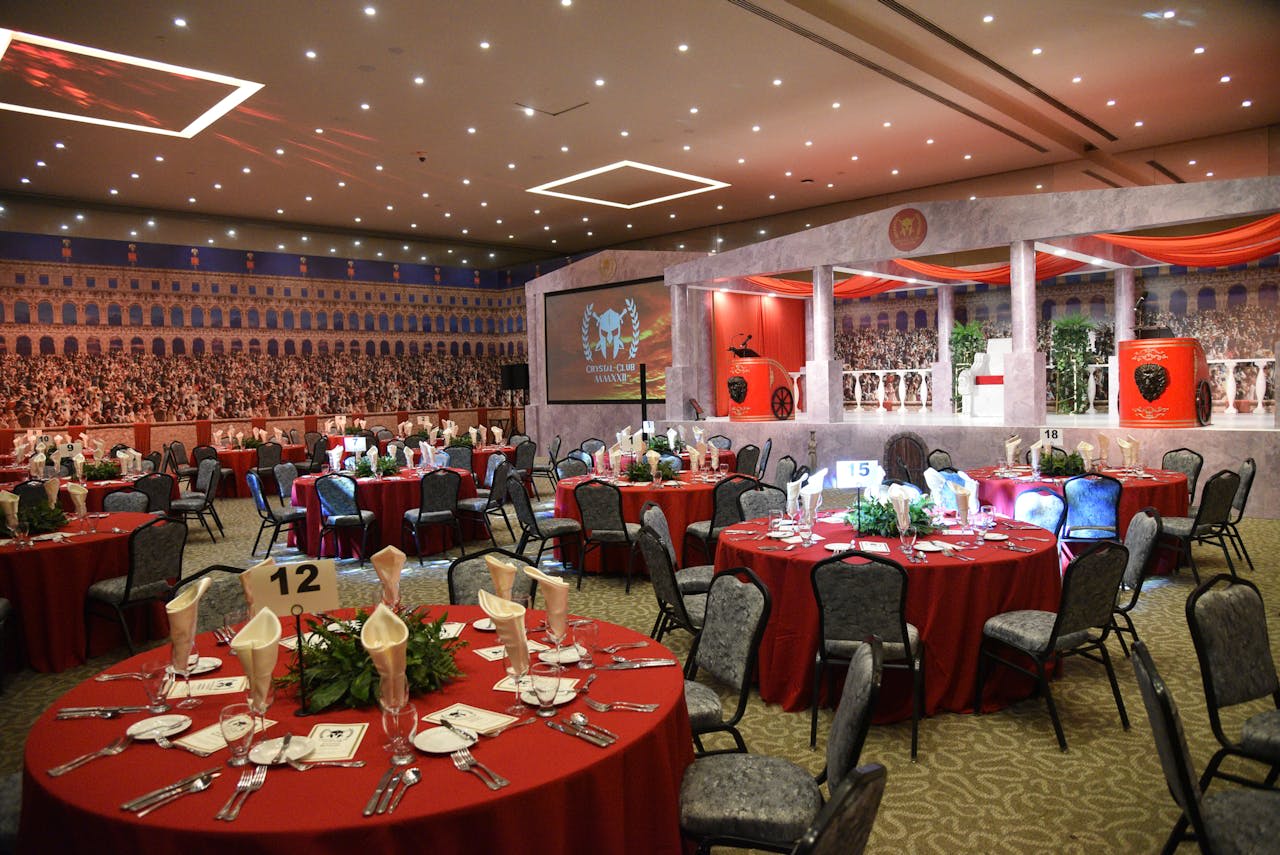
Furniture choices alone can change how a room behaves.
Rows of chairs tell people to sit and listen. Lounge seating tells people to stay and talk. High-top tables create quick turnover and casual interaction. Café-style setups keep energy moving without locking anyone in place.
These decisions matter more than most agendas because they shape how people act without needing instruction. Guests read the room instantly and adjust. When the setup aligns with the goal of the event, people move the way you intended without being told.
People Follow People, Not Programs
One of the strongest drivers of movement at any event is simple. People go where other people already are.
If a breakout area looks empty, it stays empty. If a small group is engaged in something that feels interesting, others start to gather. That momentum builds quickly.
This is why curated moments matter. When the right people are placed in the right spaces early, it creates a ripple effect. Others follow, and suddenly that area becomes a focal point without needing to be announced. Social energy fills gaps that schedules can’t.
Smaller Moments Are Carrying More Weight
Large keynote sessions still have a place, but they’re no longer the only anchor of the day.
More planners are building in smaller, more focused experiences that run alongside the main agenda. These moments give guests a chance to step into something that feels relevant without committing to a full block of time.
It could be a small-group discussion, a targeted networking area, or a hands-on activation that draws people in. These pockets of activity keep the event feeling alive because there’s always something happening without forcing everyone into the same lane.
Pacing Is Starting to Match Real Attention Spans
Long sessions are losing people, especially when there’s no break in between. Shorter segments, more movement, and built-in space between moments are keeping energy from dropping off. Guests have time to reset, connect, or shift their focus instead of sitting through content that starts to drag.
When pacing is handled well, the event feels lighter and more dynamic. People stay engaged longer because they’re not being pushed through a rigid structure.
Tech Is Nudging, Not Controlling
Event apps and digital tools are still part of the mix, but their role has shifted.
Instead of acting like a strict schedule, they’re working more like a guide. Personalized reminders, suggested sessions, and real-time updates help guests make decisions without overwhelming them.
The key is subtlety. Guests don’t want to feel managed. They want to feel supported in navigating the event on their own terms.
The Events That Work Feel Easy to Move Through
When everything clicks, guests don’t think about the schedule at all.
They move naturally from one moment to the next. They find the conversations they want. They engage where it makes sense for them. The experience feels fluid instead of forced.
That’s what planners are aiming for now. Not perfect adherence to a timeline, but a room that guides people without them realizing it.
Want to Design Corporate Events That People Actually Stay Engaged In
The difference between a packed agenda and a well-attended event comes down to how people experience it in real time.
If you want to stay ahead of how corporate events are evolving, you need to be around the planners and brands who are already designing this way.
Reserve your events booth at The Event Planner Expo 2026 and showcase how your events create real engagement, not just full schedules. This is where the conversations shaping the future of corporate events are already happening.