How Event Design Sets Behavioral Expectations Before Programming Starts
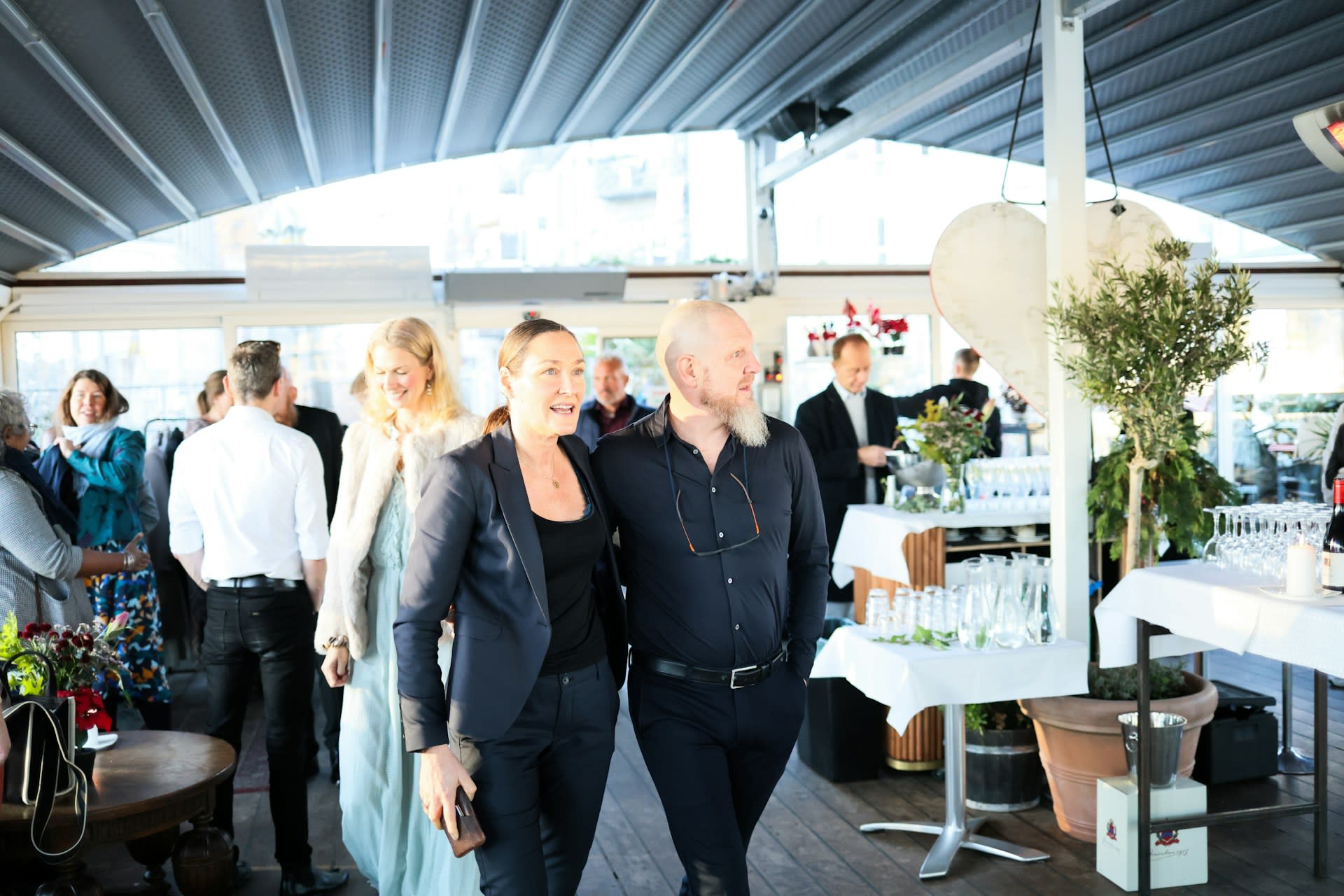
Guests are told what to do from the moment they step into the event venue. Sometimes, it’s an intentional direction. Sometimes, it’s not. Guests take cues from the event’s design to know what they should do. Experienced NYC planners treat event design as the first layer of communication. Not visual. Behavioral.
The First Five Minutes Define the Entire Event
People form their first impressions within seconds. That means event planners have a narrow window to make an impact and cue behavioral expectations.
If the entrance is slow and unclear, guests hesitate. If the layout feels crowded, they move quickly instead of settling in. If there is no clear focal point, attention scatters.
A well-designed arrival does not just welcome guests. It directs them. Even small details matter here. These are operational details that communicate behavioral cues.
Design Signals Replace Verbal Direction
Guests should not need instructions to understand an event. The room should communicate expectations on its own. When done well, guests move naturally without thinking about it. The more the room has to explain itself, the less effective it is. The more interventions the event staff has to do.
Layout Determines Participation Style
A venue’s layout will directly impact how the event guests behave. The layout also directs people on what to expect. A stage with multiple rows signals a performance with a passive audience. Circular or distributed layouts invite interaction. Standing layouts encourage short engagement. Seated environments encourage longer attention spans.
If a client wants high engagement but the layout supports passive observation, the event will not perform the way it is expected to.
Lighting Sets Energy Before Content Begins
One of the easiest and fastest ways to set the tone of a room is with the lighting. Bright, even lighting creates a sense of openness and movement. Lower, focused lighting creates intimacy and attention. Dynamic lighting suggests energy and transition.
Guests respond differently to the different types of lighting. It’s essential to get the lighting right to subtly signal to guests what’s expected of them. If guest behavior is expected to vary throughout the event, the lighting needs to change accordingly.
A subtle dim can quiet a room faster than a verbal cue. A focused spotlight can direct attention without interruption.
Sound Design Influences How People Interact
Sound is another early signal that is often overlooked.
Music volume, tempo, and style all influence behavior.
Louder environments encourage movement and shorter conversations.
Lower-volume environments support deeper interaction.
Silence draws focus quickly.
If guests have to compete with the environment to communicate, they will adjust their behavior accordingly.
In NYC venues, where ambient noise is already a factor, this becomes even more important.
Sound should support the intended experience, not fight against it.
There is also a pacing component.
Music that never changes keeps energy flat.
Intentional shifts in sound can guide the room through different phases of the event.
Guests feel those changes even if they are not consciously tracking them.
The Role of Space in Setting Social Norms
Guests take cues from each other, but those cues start with the environment.
If seating is limited, people stand.
If seating is abundant, people settle.
If there are clear gathering areas, people cluster.
If everything is spread out, interaction becomes fragmented.
These are not random outcomes.
They are responses to design.
In NYC events, where guest density is often high, small layout decisions have amplified effects.
A slight shift in spacing can change how people interact across the entire room.
This is where design moves from aesthetic to functional.
Space is not just about capacity.
It is about behavior.
Branding and Visual Language Signal Formality
The way a space looks influences how guests carry themselves within it.
Clean, minimal environments signal formality and structure.
Layered, textured environments feel more relaxed.
Bold, high-contrast visuals create energy.
Neutral palettes create calm.
Guests adjust quickly.
They match the environment.
This matters for clients who are trying to position their brand in a specific way.
If the design language and the intended brand perception are misaligned, guests will respond to the environment, not the messaging.
In NYC, where brand perception is often the primary driver behind events, this alignment is critical.
Subtle inconsistencies show up fast.
If the branding suggests luxury but the environment feels transactional, guests notice.
Design has to carry the same message as the brand.
Staff Behavior Reinforces or Breaks Design Intent
An event can run without the staff. Even the strongest design falls short if the staff’s behavior doesn’t support the plan. If staff are overly directive, it creates rigidity. If staff are disengaged, it creates confusion.
The staff needs to understand the event’s intended flow. They need to support that flow without being overly forceful or demanding. They also need to be able to step in if the flow stalls and needs a push.
Top event planners approach staff direction differently. They go beyond being a task master. They explain the goal and purpose of the event.
Why Misalignment Shows Up Immediately
When there is a disconnect between design and programming, the problem is immediately noticeable. Guests do not follow the planned flow. Their engagement drops when you want it the most. The event’s energy doesn’t rise and fall the way you expect.
These problems are typically blamed on the content or timeline. However, it’s misplaced blame. It’s actually the design that’s causing the problem. If the room is saying one thing and the program is saying another, the program wins over the room.

Learn More About Event Design at The Event Planner Expo
Event design is no longer just about how a space looks. It’s about how the space motivates desired guest behavior. The planners who are leading this shift are not waiting for the program to carry the experience. They are using design to set expectations early.
If this is how you are thinking about event production moving into 2026, The Event Planner Expo 2026 is where these design strategies are being discussed at a deeper level.
Reserve your booth to The Event Planner Expo 2026 and learn how top NYC planners are using design to shape behavior before a single moment is programmed.