Digital Event Promotion Strategies That Actually Work
A great event experience doesn’t start when the doors open. It begins online, with the very first interaction a potential attendee has with your brand. Your digital event promotion is your chance to build a community, create a sense of belonging, and generate genuine excitement long before the event day arrives. It’s about turning passive followers into active participants who are invested in your event’s success. In this guide, we’ll explore how to use online channels not just to sell tickets, but to start conversations and build relationships that transform your event into a thriving, must-attend experience.
Key Takeaways
- Meet your audience where they are: Instead of trying to be everywhere, focus your promotional efforts on the few key channels—like LinkedIn, email, or Instagram—where your ideal attendees spend their time, and tailor your message to fit each platform.
- Create a conversation, not just an announcement: Move beyond simply broadcasting event details. Use interactive content like live Q&As, behind-the-scenes videos, and user-generated content to build a community and make potential attendees feel invested long before the doors open.
- Measure what matters to make smarter moves: A successful promotion is built on a clear plan and consistent tracking. Focus on key metrics like registration conversion rates and ROI to understand what’s working, allowing you to adjust your strategy and invest your budget effectively.
What Is Digital Event Promotion?
Digital event promotion is simply the practice of using online channels to connect with potential attendees and market your event. Instead of relying solely on print ads or word-of-mouth, you’re using tools like social media, email, and your website to build excitement and drive registrations. It’s about meeting your audience where they already spend their time—online.
This approach allows you to tell your event’s story, share key details, and create a direct line of communication with interested people. From the first announcement to the final thank-you email, every digital touchpoint is an opportunity to build a relationship and ensure your event is a can’t-miss experience.
Digital vs. Traditional Promotion
In the past, promoting an event meant using traditional methods like newspaper ads, radio spots, or billboards. While these still have their place, they often cast a wide, untargeted net, and it’s difficult to know exactly who you’ve reached. Digital promotion, on the other hand, uses online tools like social media campaigns, influencer collaborations, and targeted ads to speak directly to your ideal attendee.
The key difference is precision. With digital strategies, you can target specific demographics, interests, and behaviors, ensuring your message lands with the people most likely to attend. Plus, you can track everything, giving you clear data on what’s working and what’s not.
Why Digital Promotion Is a Must for Modern Events
So, why is digital promotion non-negotiable today? It comes down to one thing: your audience is online. With over five billion internet users worldwide, the digital landscape is where connections are made and decisions are influenced. Ignoring this massive audience means leaving ticket sales on the table.
Digital marketing helps you create excitement long before the doors open, driving early registrations and building a community around your event. By scheduling posts and automating email sequences, you can streamline your marketing efforts, saving valuable time and resources. It’s a more efficient, measurable, and effective way to fill seats and ensure your event is a success.
Where to Promote Your Event Online
To get the word out about your event, you need to meet your audience where they already spend their time. A smart digital promotion plan uses a mix of channels to build awareness and drive registrations. Instead of throwing everything at the wall to see what sticks, focus your energy on the platforms that are most likely to reach your ideal attendees. From social media feeds to their own inboxes, here are the key places to promote your event online.
Social Media
Social media is your go-to for creating a steady drumbeat of excitement around your event. Start by creating a unique and memorable hashtag that attendees, speakers, and sponsors can use. This helps you track conversations and encourages user-generated content. Use platform-specific features to your advantage, like Instagram’s countdown sticker in Stories to build anticipation.
Create a dedicated Facebook Event page where you can post updates, answer questions, and house all the essential details. To generate real buzz, go live with your keynote speakers for a Q&A session or share behind-the-scenes clips of your team in action. The goal is to make your audience feel like they’re part of the experience before they even arrive.
Email Marketing
Email marketing gives you a direct line to your most interested prospects and past attendees. It’s the perfect channel for sharing detailed information and exclusive offers. Use your email list to send out a series of communications that build excitement over time. Announce when tickets go on sale, reveal your speaker lineup one by one, and share testimonials from last year’s event.
Make sure every email has a single, clear call to action. A bold, can’t-miss button that says “Register Now” will guide subscribers to take the next step. This focused approach helps convert interested readers into registered attendees.
Event Listing Sites
Beyond your own channels, you need to be visible where people are actively searching for things to do. Listing your event on sites like Eventbrite, LinkedIn Events, and other industry-specific calendars is a must. These platforms have built-in audiences who are looking for events just like yours, which can introduce your brand to a whole new set of potential attendees.
You can also get creative with your own properties. For example, use the “thank you” page that appears after someone subscribes to your newsletter or downloads a resource from your site. Add a small banner or section promoting your upcoming event. This person is already engaged with your brand, making them a perfect candidate to attend.
Your Blog and Website
Your website is the official home base for your event. Create a dedicated, professional-looking landing page that contains everything an attendee needs to know. This page should be easy to find and visually compelling, with clear, concise information. Include all the critical details: what the event is about, who it’s for, the date, the location, and the price.
Make sure this page is optimized for search engines by including keywords your target audience might use, like “marketing conference” or “event planner trade show.” A well-organized page with a detailed event schedule not only informs your visitors but also helps them decide to buy a ticket. All your other promotional efforts should point back to this central hub.
Create Content That Converts Attendees
Your digital promotion channels are just the delivery system; the content is what actually convinces someone to click “Register.” The goal is to create content that doesn’t just inform but also excites. You want to give potential attendees a serious case of FOMO (fear of missing out) by showing them exactly what they’ll miss if they don’t show up. Think of your content as a preview of the experience, a window into the energy, connections, and knowledge they’ll gain.
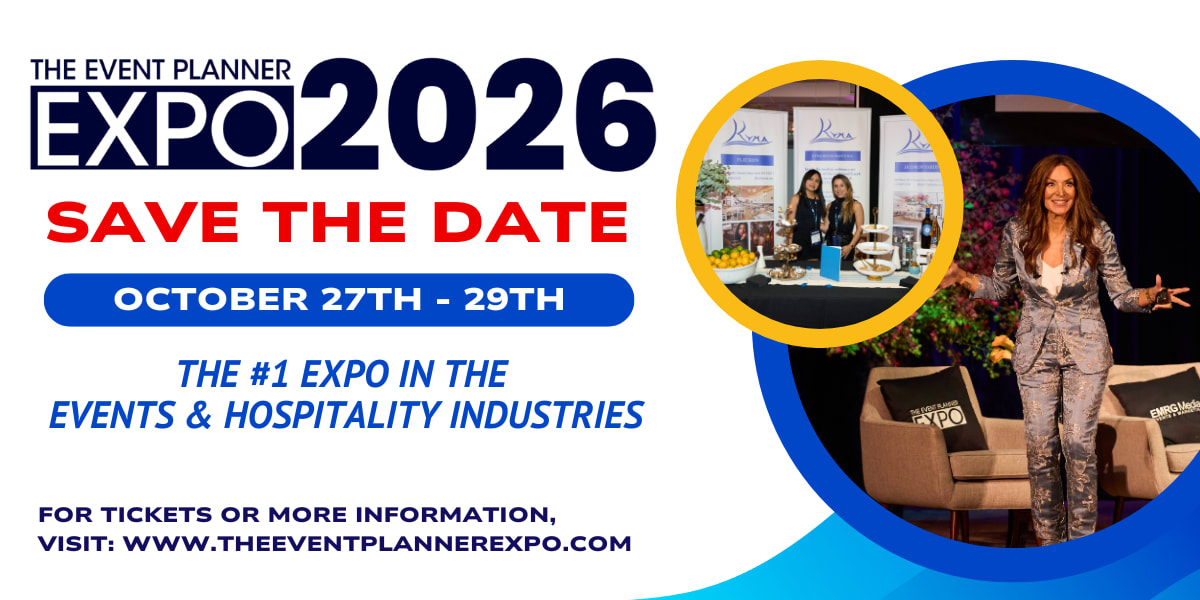
Effective event content tells a story. It showcases the value of your event through compelling visuals, engaging stories, and authentic testimonials. Instead of just listing speakers, share a powerful quote from their planned talk. Instead of just showing your venue, post a video tour that captures its atmosphere. Every piece of content should be designed to answer the attendee’s core question: “What’s in it for me?” By focusing on the experience and the transformation your event offers, you can create a magnetic pull that turns passive followers into enthusiastic attendees. The Event Planner Expo is a great example of an event that builds this kind of excitement year-round.
Go Behind the Scenes
There’s something special about getting an exclusive peek behind the curtain. Showing your event preparation in real-time builds a genuine connection with your audience and makes them feel like insiders. This kind of content creates excitement and makes the event feel more tangible long before the doors open. Share photos of your team in planning meetings, a time-lapse video of the venue setup, or a sneak peek of the incredible swag bags. You can even introduce some of the key exhibitors who will be there. These small glimpses into the process humanize your event and build a narrative that your audience will want to see through to the end.
Use Interactive Polls and Quizzes
The best way to get your audience invested in your event is to involve them directly. Interactive content like polls and quizzes turns passive scrolling into active participation. Use Instagram Stories or LinkedIn polls to let your audience vote on things like session topics, food truck options, or the official event playlist. You could create a fun quiz like, “Which of our keynote speakers are you most like?” This not only increases your engagement but also gives you valuable insight into what your audience wants. When people feel like they have a say in the event, they develop a sense of ownership and are much more likely to attend.
Feature User-Generated Content
Your happiest past attendees are your most powerful marketers. Featuring user-generated content (UGC) is a form of social proof that is far more authentic and persuasive than anything you can create yourself. Encourage your community to share their favorite memories from past events using a specific hashtag. You can repost their photos, videos, and testimonials on your own channels (with their permission, of course). This not only provides you with a steady stream of genuine content but also fosters a strong sense of community. It shows potential attendees that your event isn’t just an industry gathering—it’s a shared experience people love.
Share Video Teasers and Go Live
Video content is unmatched in its ability to capture the energy and excitement of an event. Create a high-energy highlight reel from last year’s event to show people what it feels like to be there. Share short, impactful clips from past speakers or interviews with this year’s headliners. Going live on Instagram or LinkedIn for a Q&A with your event host or a featured speaker can also create a direct, personal connection with your audience. A compelling video teaser is often the final push someone needs to move from “interested” to “I have to be there.” Make it easy for them to act on that impulse by including a clear call to action to register for tickets in your post.
Build Urgency with Countdowns
A little bit of urgency can be a powerful motivator. Using countdowns is a simple yet highly effective way to encourage immediate action. Use the countdown sticker in Instagram Stories to build anticipation for the event itself or for important deadlines. You can create countdowns for the end of an early-bird discount, the deadline for a hotel block, or the final day to register. This visual reminder of passing time can trigger FOMO and prompt followers to stop procrastinating and secure their spot. By highlighting what they stand to lose—whether it’s a discount or a spot at a must-see session on the event schedule—you can significantly increase your conversion rate.
Use Social Media to Increase Event Visibility
Social media is more than just a place to post updates; it’s a dynamic tool for building a community around your event long before the doors open. When used thoughtfully, platforms like Instagram, LinkedIn, and X (formerly Twitter) can create a powerful sense of excitement and urgency that drives ticket sales. The key is to move beyond simple announcements and create an interactive experience that makes your audience feel like they’re already part of something special. This means engaging directly with potential attendees, sharing compelling behind-the-scenes content, and giving them a clear reason to hit that “register” button.
A strong social media strategy doesn’t just tell people about your event—it shows them why they can’t afford to miss it. By tailoring your content, leveraging hashtags, and collaborating with key figures, you can turn passive scrollers into active participants. Think of your social channels as the digital lobby of your event, where conversations start, connections are made, and the energy for the main event begins to build. These digital PR tactics help you cut through the online noise and capture the attention of your ideal audience, ensuring your event is the one they’re talking about.
Tailor Your Strategy to Each Platform
A one-size-fits-all approach to social media won’t get you very far. Each platform has its own audience and best practices, so it’s important to tailor your content accordingly. Use LinkedIn to share professional insights, highlight your incredible keynote speakers, and connect with corporate sponsors. On Instagram, focus on visual storytelling with Reels, behind-the-scenes Stories, and countdown stickers to build anticipation. X is perfect for real-time updates, engaging in industry conversations, and sharing quick, bite-sized information. By meeting your audience where they are with content they expect, your message will resonate much more effectively.
Optimize Your Hashtags
A great event hashtag is your digital rallying cry. It organizes all event-related content into a single, searchable stream, making it easy for people to follow the conversation. Create a hashtag that is unique, short, and easy to remember. Promote it everywhere—on your website, in your emails, and across all social media posts. Encourage your speakers, sponsors, and registered attendees to use it when they post about the event. This not only expands your reach but also fosters a sense of community and makes it simple to find and share user-generated content.
Host Live Q&A Sessions
Live video is one of the best ways to create authentic, real-time engagement. Host live Q&A sessions on Instagram or LinkedIn with one of your event organizers or a featured speaker. This gives your audience a chance to ask questions, get an inside look at what to expect, and connect with the people behind the event. It’s a fantastic way to address potential concerns, share exciting details that aren’t on the website, and build a personal connection with potential attendees. Announce your live sessions in advance to generate buzz and maximize viewership.
Run Contests and Giveaways
Everyone loves a good giveaway. Running a contest is a proven way to increase engagement and expand your reach organically. Offer a compelling prize, like a free ticket, a VIP upgrade, or a meet-and-greet with a speaker. To enter, you can ask followers to tag a colleague they’d bring to the event, share your post to their story, or comment with what they’re most excited about. These actions put your event in front of new audiences and create a fun incentive for people to interact with your brand and promote your event.
Collaborate with Influencers
Leverage the credibility of trusted voices in your industry to amplify your message. Partner with speakers, sponsors, and industry influencers to promote your event to their followers. Their endorsement acts as a powerful form of social proof, as their audience already trusts their recommendations. You can arrange for them to do an Instagram takeover, co-host a live Q&A session, or simply share dedicated posts about why they’re excited to be part of your event. This strategy helps you tap into established communities and reach highly relevant audiences you might not have access to on your own.
Drive Attendance with Email Marketing
Email marketing is your direct line to potential attendees. Unlike social media, where you’re competing with countless other posts, an email lands right in someone’s personal inbox. It’s one of the most effective ways to build relationships, share important updates, and guide people from interested observers to registered participants. A strong email strategy keeps your event top-of-mind and gives you a reliable channel to create buzz and drive ticket sales.
The key is to treat your email list like a community, not just a sales tool. Your subscribers have given you permission to contact them, so reward them with valuable, engaging content that gets them genuinely excited about what you’re planning. From early bird specials to exclusive speaker announcements, your email campaigns can create a sense of anticipation that translates directly into a packed event. Check out our latest blog posts for more ideas on building that excitement. Let’s walk through the specific tactics that will turn your email list into your biggest source of attendees.
Engage Your List Before the Event
Once someone signs up for your email list, your job is to keep them hooked. Use your pre-event emails to build a narrative and get people excited for what’s to come. Share testimonials or positive reviews from last year’s event to build social proof. You can also create excitement by revealing your lineup of keynote speakers one by one, giving each a dedicated email that highlights their expertise.
Think of this as your pre-show hype reel. Offer sneak peeks of the venue, introduce key sponsors, or share behind-the-scenes content of your team in action. The goal is to make your subscribers feel like insiders. By providing consistent, valuable updates, you’re not just promoting an event; you’re building a community that can’t wait to be there.
Offer Early Bird Discounts
Everyone loves a good deal, and an early bird discount is a classic for a reason. It’s a powerful incentive that creates a sense of urgency, encouraging people to commit sooner rather than later. Announce your special pricing with a clear deadline to motivate immediate action. This strategy not only helps secure initial ticket sales but also gives you a valuable early read on attendance numbers, which can help with planning and logistics.
Frame your early bird offer as a reward for your most loyal followers. It’s a way to thank them for their early interest and support. Make the call to action clear and simple, directing them to a page where they can easily register now and lock in their special rate. This initial wave of registrations can create momentum that builds all the way to event day.
Set Up Automated Drip Campaigns
Manually sending every email is time-consuming and inefficient. This is where automated drip campaigns come in. A drip campaign is a series of pre-written emails that are automatically sent to subscribers over time. You can set up a welcome series for new subscribers, a reminder sequence as the event gets closer, or a follow-up campaign for those who started the registration process but didn’t finish.
Automation ensures that every subscriber receives timely, relevant information without you having to press “send” each time. You can schedule reminders about registration deadlines, speaker announcements, and important logistical details. This consistent communication keeps your event on your audience’s radar and nurtures them through the decision-making process, saving you valuable time and effort.
Personalize and Segment Your Emails
Generic email blasts are a thing of the past. To truly connect with your audience, you need to personalize your communication. Sending messages that are tailored to specific groups, or segments, of your audience makes your content far more relevant and engaging. For example, you can segment your list based on past attendance, industry, or interests they’ve indicated.
A message sent to a past attendee might reference their previous experience, while an email to a new subscriber could provide a broader overview of the event. You can also use personalization tokens to include the subscriber’s name or company in the email. This level of detail shows that you understand your audience’s needs and can significantly improve your open rates and conversions.
Follow Up with Non-Openers
Not everyone is going to open your first email, and that’s okay. People are busy, and inboxes are crowded. A simple yet highly effective tactic is to resend your most important emails to the people who didn’t open them the first time. Wait a few days, change the subject line to something fresh and compelling, and send it again.
You don’t need to rewrite the whole email—just the subject line. This small effort can often capture a whole new wave of opens and clicks from people who simply missed it the first time around. It’s a low-effort way to make sure your message reaches as many people as possible and reminds potential attendees that your event is an opportunity they don’t want to miss.
Promote Your Event with Paid Ads
While organic marketing builds a strong foundation, paid advertising gives you the precision to reach specific audiences right when they’re most likely to convert. Think of it as a direct invitation to the people who need to be at your event. Instead of waiting for them to find you, you can place your event directly in their line of sight. This is especially powerful for reaching new markets or ensuring key decision-makers see your message. By investing strategically, you can amplify your reach, drive registrations, and ensure a packed house full of high-quality attendees.
Run Targeted Social Media Ads
Social media platforms are goldmines for event promotion because of their powerful targeting capabilities. You can create ads that reach people based on their job titles, industries, interests, or even their engagement with similar events. For instance, you can target marketing executives in the New York City area who have shown interest in professional development. Use your ad creative to stop the scroll—think dynamic video clips of past events, testimonials from attendees, or a countdown to your early-bird deadline. Make your ads an extension of your event’s energy, using features like Instagram Stories to create interactive polls or showcase your lineup of powerhouse speakers.
Use Google Ads for Event Discovery
When professionals are looking for an event to attend, where do they go first? Google. Running Google Ads puts your registration page right at the top of the search results for relevant queries. This strategy is perfect for capturing high-intent leads who are actively searching for solutions and networking opportunities. Focus on keywords your ideal attendee would use, like “marketing conference NYC” or “corporate event planner expo.” Your ad should lead directly to a clear and compelling landing page that makes it easy for them to register for your event. This ensures a smooth path from interest to attendance.
Retarget Potential Attendees
Have you ever looked at a product online, only to see ads for it everywhere you go? That’s retargeting, and it’s incredibly effective for event promotion. You can show targeted ads to people who have already visited your website but didn’t complete their registration. These individuals are already warm leads; they just need a gentle nudge. In fact, retargeted ads can get up to 10 times more clicks than standard display ads. Remind them what they’re missing out on by highlighting a keynote speaker or a unique networking opportunity. This follow-up can be the final touch that turns their initial curiosity into a confirmed registration.
Allocate and Optimize Your Budget
Paid advertising can feel like a big expense, especially with rising costs and tight budgets. The key is to be strategic and data-driven. You don’t need a massive budget to get started. Begin with a smaller, test budget across different platforms to see what performs best. Closely monitor your metrics, paying attention to your cost per registration, not just clicks or impressions. Once you identify which channels and ads are driving the most valuable sign-ups, you can confidently allocate more of your budget there. This approach ensures you’re investing your marketing dollars where they will generate the highest return and attract the right corporate partners.
Prepare for These Digital Promotion Challenges
Promoting your event online comes with incredible opportunities, but it’s not always a straight path to success. Knowing the common hurdles you might face is the first step to creating a strategy that can handle them. From the sheer volume of online content to the complexities of data, being prepared helps you stay focused and effective. Think of these challenges not as roadblocks, but as guideposts that can sharpen your promotional plan. By anticipating these issues, you can build a more resilient and impactful campaign that genuinely connects with your audience and drives registrations. Let’s walk through some of the biggest challenges you’ll encounter and how to think about them strategically.
Cutting Through the Noise
Your potential attendees are swimming in a sea of digital content. It’s estimated that the average person can see up to 10,000 ads every day online. That’s a lot of competition for their attention. To stand out, your promotion can’t just be another piece of noise; it needs to offer real value and speak directly to your ideal attendee. Focus on what makes your event unique. Is it the incredible lineup of keynote speakers? The exclusive networking opportunities? Pinpoint your core message and create engaging content that is authentic, helpful, and impossible to ignore.
Building Online Trust and Credibility
In a digital world, trust is everything. Before someone commits their time and money to attend your event, they need to believe in the value you’re offering. You build this trust through consistency, professionalism, and transparency. Every piece of content you share, from an email to a social media post, should reflect the quality of your event. One of the best ways to do this is by creating high-quality content that combines stellar copy and design. Showcasing past event testimonials, sharing behind-the-scenes looks, and being responsive to questions are all powerful ways to build credibility and show potential attendees you’re the real deal.
Keeping the Momentum Going
It’s one thing to generate a buzz when you first announce your event, but it’s another to maintain that energy all the way to event day. The period between your launch and the event itself is critical. Plan a content calendar that delivers a steady stream of valuable information, reminders, and exciting teasers. Use countdowns, speaker spotlights, and interactive polls to keep your audience invested. The goal is to make your event a can’t-miss date on their calendar, keeping it top-of-mind from the moment they first hear about it.
Making Sense of the Data
Digital marketing provides a ton of data, which can feel overwhelming. How do you know if your efforts are actually working? The key is to focus on the metrics that matter most for your goals. Tracking indicators like website traffic sources, conversion rates, click-through rates, and cost per lead will give you a clear picture of what’s resonating with your audience. This isn’t just about getting a report card on your campaign; it’s about gathering insights. By understanding your digital marketing analytics, you can make smart, data-driven decisions to refine your strategy and maximize your return on investment.
Track These Metrics to Measure Success
You can’t improve what you don’t measure. Tracking the right metrics tells you what’s working, what’s not, and where to focus your energy and budget. Instead of getting lost in a sea of data, concentrate on a few key performance indicators (KPIs) that directly reflect the health of your promotional strategy. These numbers tell the story of your campaign, from initial awareness to final ticket sales, helping you make smarter decisions for your next event.
Registration and Conversion Rates
This is one of the most straightforward ways to measure success. Your conversion rate is the percentage of people who complete a desired action, like signing up for your event. If 1,000 people visit your registration page and 100 sign up, your conversion rate is 10%. This metric is your direct line of sight into how persuasive your messaging and landing pages are. A low conversion rate might signal that your call-to-action is unclear or that there’s friction in the registration process. Tracking this helps you pinpoint exactly where you can make improvements to get more people to commit.
Social Media Engagement
Engagement goes beyond just likes and follows. It’s about how many people are actively interacting with your content through comments, shares, and clicks. High engagement shows that your content is resonating with your target audience and building a community around your event. Engaging people before the event is critical for getting them to show up. Remember that people retain video messages far better than text, so use compelling visual content to drive attendance. Watch which posts get the most interaction—it’s a clear indicator of what your audience wants to see.
Email Campaign Performance
Email remains a powerful tool for event promotion, so you need to know how your campaigns are performing. Key metrics to watch are open rates, click-through rates (CTR), and unsubscribe rates. A high open rate means your subject lines are compelling, while a strong CTR shows your content is relevant and your calls-to-action are effective. Use the email addresses you collect to send updates and get people excited. Always include your contact details in your signature to keep the lines of communication open and encourage replies.
Return on Investment (ROI)
Ultimately, your promotional efforts need to make financial sense. Your return on investment, or ROI, tells you how much revenue your marketing efforts generated compared to what you spent. This is the bottom-line metric that demonstrates the value of your strategy to stakeholders and helps you justify your budget for future events. While metrics like engagement are important for building buzz, ROI connects your promotional activities directly to business goals. It answers the most important question: Was the investment worth it?
Avoid These Common Promotion Mistakes
Even the most seasoned event professionals can stumble when it comes to digital promotion. The online world moves fast, and it’s easy to fall into common traps that can dampen your registration numbers and buzz. The good news is that these mistakes are entirely avoidable with a bit of foresight. Think of your digital promotion as part of the event experience itself—it’s the first impression you make. Let’s walk through a few key areas where things can go wrong and how you can steer clear of them to ensure your promotional efforts hit the mark every time.
Getting the Timing and Frequency Wrong
One of the biggest missteps in event promotion is poor timing. Starting too late means you miss the window to build momentum, while starting too early can cause your message to fade before it matters. Similarly, bombarding your audience with constant posts can lead to fatigue, but radio silence is even worse. The key is to create a balanced promotional calendar. Start teasing key details, like your powerhouse keynote speakers, a few months out. As the date approaches, increase the frequency of your posts and emails, building a steady drumbeat of excitement that crescendos in the final weeks leading up to the event.
Forgetting Mobile Users
Your audience is on the move, and they’re likely seeing your promotions on their phones. A clunky, hard-to-read website or a registration form that’s impossible to fill out on a small screen is a guaranteed way to lose potential attendees. Every piece of your digital promotion must be mobile-friendly. This means your website should be responsive, your emails should be designed for vertical scrolling, and your social media visuals should be optimized for mobile viewing. Test everything on your own phone first. If you can’t easily register for your event in a minute or two, you can bet your audience won’t bother trying.
Sending Inconsistent Messages
Your event needs a clear, consistent identity across all platforms. When your messaging is disjointed—using a formal tone on LinkedIn, a casual one on Instagram, and different logos or color schemes in your emails—it creates confusion and undermines your credibility. Before you launch your campaign, establish a cohesive brand voice and visual style. Ensure every tweet, email, and ad feels like it’s part of the same story. This consistency builds trust and makes your event feel polished and professional, assuring attendees that they’re investing in a high-quality experience. A unified message shows you have a clear vision for your event.
Failing to Engage Your Audience Pre-Event
Simply broadcasting event details isn’t enough to capture attention. You need to start a conversation and build a community long before the doors open. Run polls asking what topics they want to see covered, host live Q&A sessions with your speakers, and share behind-the-scenes glimpses of the planning process. Encourage user-generated content by creating a unique event hashtag people can use. When attendees feel involved and heard, they become more than just ticket holders—they become advocates who will help spread the word for you.
Build Your Digital Event Promotion Plan
A successful digital promotion strategy doesn’t happen by accident. It’s the result of a thoughtful plan that outlines your goals, your audience, and the steps you’ll take to connect with them. Instead of throwing spaghetti at the wall to see what sticks, a clear plan gives you a roadmap to follow, ensuring every piece of content and every ad dollar serves a specific purpose. It’s your blueprint for generating buzz, driving registrations, and making sure your event is a can’t-miss affair. Building this plan is the most critical step you’ll take in your promotional journey.
Set Clear, Actionable Goals
Before you write a single social media post or email, you need to know what you’re trying to achieve. What does success look like for your event? Are you focused on selling a specific number of tickets, generating a certain amount of revenue, or simply building brand awareness? Your goals will shape every decision you make, from the platforms you use to the messages you share. For example, a goal to sell out early-bird tickets requires a different approach than a goal to attract high-profile sponsors. Defining these objectives upfront will guide your promotional efforts and give you a benchmark for measuring success later on.
Choose the Right Channels
You don’t need to be everywhere online, but you do need to be where your audience is. Take some time to think about who your ideal attendee is and where they spend their time. Are they corporate professionals who are active on LinkedIn? Or are they a creative crowd that prefers Instagram and TikTok? Focusing your energy on two or three key channels will be far more effective than spreading yourself too thin. Create a dedicated event page on Facebook or use Instagram’s countdown stickers to build anticipation. The key is to meet your audience where they are and become a natural part of their online conversation.
Create Content That Connects
Your content is what will convince someone to stop scrolling and pay attention to your event. Research shows that people are significantly more likely to attend an event if they’ve interacted with its content beforehand. Move beyond simple announcements and create materials that build excitement and provide value. Share behind-the-scenes glimpses of your planning process, post video interviews with your keynote speakers, or feature testimonials from last year’s happy attendees. This kind of engaging content helps build a relationship with your audience and makes them feel invested in your event long before it begins.
Optimize Your Registration Experience
Your registration page is where interest turns into action, so it needs to be as seamless and persuasive as possible. A clunky, confusing, or slow-loading page is a guaranteed way to lose potential attendees. Make sure your registration page is clean, visually appealing, and easy to use, especially on mobile devices. The “Register” button should be impossible to miss, and key information like the event title, date, and a compelling call to action should be right at the top. By creating a frictionless registration process, you make it easy for people to say “yes” to your event.
Measure and Adjust as You Go
Your digital promotion plan shouldn’t be set in stone. It’s a living document that you should monitor and adjust based on what the data tells you. Keep a close eye on key metrics like website traffic, page views, and registration conversion rates. Are people clicking on your social media ads but not signing up? Maybe your registration page needs tweaking. Is one type of email getting a much higher open rate? Send more content like it. Tracking your performance allows you to see what’s working, so you can double down on your most effective strategies and refine your approach in real time.
Related Articles
- Digital PR for Event Promotion: 10 Tactics That Work
- Digital Marketing for Events: 7 Strategies to Drive Attendance
- How to Promote a Virtual Event: 12 Proven Ideas
- Online Event Promotion Ideas: 20 Ways to Get More Attendees
- The Event Planner Expo 2025: Latest Blog Posts
Frequently Asked Questions
When should I start promoting my event? There’s no single magic date, but a good rule of thumb for a large-scale event like a conference is to start building awareness three to four months in advance. This gives you enough time to tease key details, launch early-bird ticket sales, and build a steady drumbeat of excitement. For smaller events like a webinar or local workshop, four to six weeks is often plenty of time to get the word out without your audience losing interest.
What’s the most important digital channel to use for promotion? The most important channel is simply the one where your ideal attendees spend their time. Instead of trying to be everywhere, focus your energy where it will have the most impact. If you’re targeting corporate professionals and B2B clients, LinkedIn is probably your best bet. If your event is more visual, creative, or lifestyle-focused, Instagram’s visual-first format will serve you better. Do a little research on your target audience to understand their online habits, and then go meet them there.
How can I get user-generated content if this is my first event? You don’t need a past event to encourage user-generated content. You can create it during your promotional period. Run a contest asking people to share why they’re excited to attend, using your event hashtag. You can also feature content created by your speakers, sponsors, or exhibitors. When they post about their involvement, ask for permission to share it on your own channels. This builds social proof and shows that a community is already forming around your event.
How much should I budget for paid ads? Your ad budget depends entirely on your goals and ticket price. A good starting point is to work backward. Figure out your target cost per acquisition (CPA)—how much you’re willing to spend to get one person to register. For example, if your ticket is $500, you might decide you’re willing to spend up to $50 to acquire that customer. This CPA will guide how much you can spend and help you measure whether your ads are providing a positive return.
My social media posts aren’t getting much engagement. What should I do? Low engagement is often a sign that your content is more promotional than conversational. Try shifting your focus from just announcing details to starting a discussion. Ask your audience questions, run interactive polls, and share behind-the-scenes content that feels more personal. Also, make sure you’re providing real value. Share a helpful tip from a speaker or a surprising industry statistic. When your content helps or entertains people, they are far more likely to interact with it.
Elevate Your Event Game with Proven Digital Strategies
Mastering digital event promotion isn’t just about filling seats—it’s about creating lasting connections and driving real results. From targeted social media campaigns and engaging email sequences to data-driven ads and interactive content, these tactics empower you to build buzz, boost registrations, and turn passive interest into enthusiastic attendance. As the event landscape evolves, staying ahead means adapting these tools to your unique audience. Ready to see them in action? Join us at The Event Planner Expo to network, gain insights, and transform your next event into an unforgettable success.
If you want to plan events that feel current, confident, and commercially smart, you need more than inspiration. You need access.
Get your tickets locked in now to The Event Planner Expo and learn directly from the people driving NYC’s event scene forward.