Why Lighting Decisions Are Replacing Decor Statements
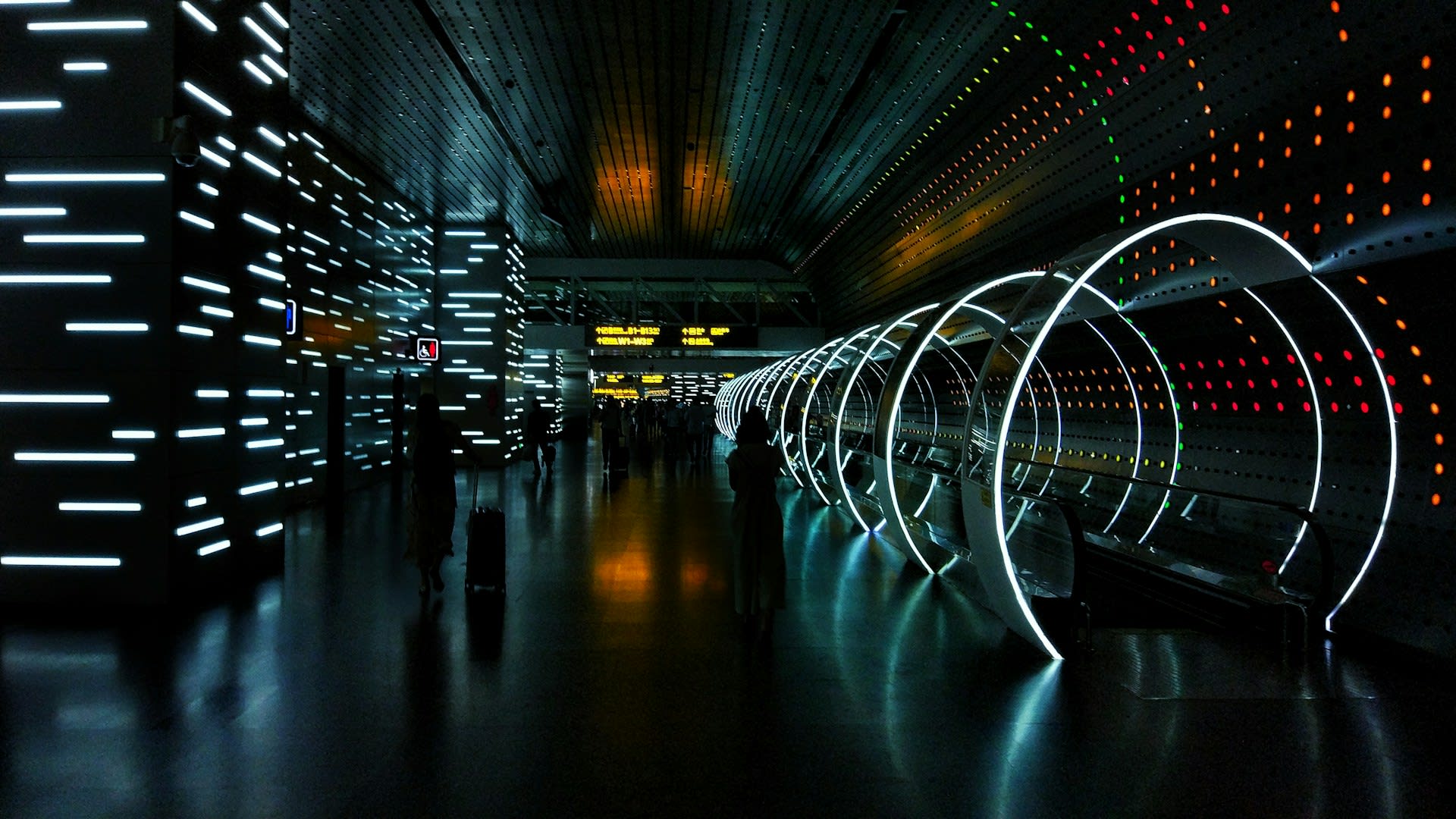
When walking into a room, the lighting immediately sets the mood. A well-produced event uses lighting in a way that makes it a central part of the overall design. Top NYC event planners aren’t relying solely on decor anymore. They are thinking about the vibe. Decor isn’t going away entirely, but it’s stepping back so it no longer does the heavy lifting. Lighting shapes perception, controls energy, and adapts in real time without requiring a full physical reset.
Shifting from Static Design to Evolving Environments
While decor is nice, it’s static. Once installed, it sits still. This is very different from lighting that has almost endless flexibility. This can have a significant impact in NYC, where event venues can have limited space. Load-in windows require precise planning. Venue layouts can make it challenging to maneuver oversized decor pieces. Flexibility is essential for making an event a success.
Lighting is the flexible solution that steps up when decor falls short. Small venues can seem bigger. Architectural challenges can be highlighted. Lighting installations can be quickly installed and taken out to meet load-in time restrictions.
The mood and atmosphere of the venue can transform throughout the event without changing the decor or location. The beginning of the event can be warm and inviting. Then, the same room can feel bright and high-energy. Towards the end of the event, it can soften again, bringing the energy down. There are no disruptions or delays for decor movement or furniture changes.
Clients Are Moving Budget Away From Decor
Those of us in the event planning industry are seeing a noticeable shift. Cient budgets are tighter than ever, and that is motivating a redistribution in spending. Even clients who have done multiple events are starting to ask different questions. They are no longer caring about how many installations they can fit into a space. Instead, they are focused on the event’s overall feel.
Lighting is the perfect solution for addressing tighter budgets and changing client needs. It impacts arrival, transitions, main programming, and post-programming flow. Lighting, when designed intentionally, is far less replicable.
Lighting as a Branding Tool, Not Just Atmosphere
One of the biggest missed opportunities in event production has been treating lighting as an afterthought.
In 2026, that approach is outdated.
Lighting is now part of brand expression.
Color temperature, saturation, movement, and timing all communicate something whether planners acknowledge it or not. High-end corporate clients are paying attention to this because their internal teams are.
A brand that lives in clean, minimal design language does not want oversaturated color washes.
A luxury client does not want flat, overhead lighting that erases dimension.
A tech launch does not benefit from static lighting that never evolves throughout the program.
In NYC, where audiences are exposed to high-level experiences constantly, these mismatches are immediately noticeable.
The planners who stand out are the ones who treat lighting like they would any other brand asset. It is intentional, consistent, and aligned with the story being told.
There is also a deeper layer here that planners are starting to lean into.
Lighting can reinforce brand hierarchy without adding a single physical element. A keynote stage can feel elevated through contrast alone. Sponsor moments can be framed through isolation and color control. Even subtle shifts in intensity can signal importance to an audience without calling attention to the mechanism behind it.
This is where lighting starts to move beyond atmosphere and into messaging.
Lighting Impacts Guest Movement
An “ok” event planner focuses on how the venues looks to guests as the enter. A top event planner focuses on how guests move and interact with the event once they are inside. Lighting is one of the most effective tools for creating an experience for guests.
-
- Bright zones pull attention.
- Dim areas create intimacy.
- Directional lighting subtly encourages flow.
This is essential for multi-room venues in NYC. Navigating them can be confusing. That will just frustrate guests and dampen their experience of the event. Guests shouldn’t have to ask where they are supposed to go. The event should guide them.
Lighting Holds Up Better on Camera
Photography professionals have long touted that lighting is everything. Event planners can learn from this. Photography and video are no longer secondary. Social media has made it so that every event needs to have a beautiful environment. Top event planners know that decor can flatten on camera, resulting in unexpected imagery that isn’t flattering. Textures can fade away, creating a bland scenery that doesn’t pop.
Lighting is the solution. The right lighting accentuates textures. It creates dynamic backgrounds that have depth. There is a contrast between the light and dark areas of the venue. It can even help guests who aren’t tech-savvy capture beautiful images.
The Production Reality Behind the Shift
There is a practical side to event planners embracing a lighting-centric approach. Decor is labor–intensive. There are large pieces that must be moved in and out of the venue. That movement has to be coordinated with vendors and the venue’s loading times. Custom pieces requiring design, fabrication, and delivery.
While lighting can be complex and technical, it is generally more efficient to install. They require expertise, but they do not require the same physical footprint or logistical coordination as large-scale decor builds. For event planners, this is a reduced risk.
What This Means for Planners in 2026
Don’t take our statements to mean that you should eliminate decor for future events. Decor will always have its place. However, event planners should rebalance their priorities to match lighting trends and clients’ needs. The strongest events don’t rely solely on decor. They are bringing lighting into the conversation in a big way.

Learn More About Lighting at The Event Planner Expo
Lighting is not replacing decor because it is trendier. It’s replacing decor as the primary statement because it is more adaptable, more efficient, and more aligned with how events are experienced today. The planners who recognize this early are not just producing better events. They are making stronger business decisions. If this is how you are thinking about event production moving into 2026, The Event Planner Expo 2026 is where those conversations are happening in real time.
Get tickets and step into the rooms where lighting, production, and experience design are being redefined by the planners leading this shift.